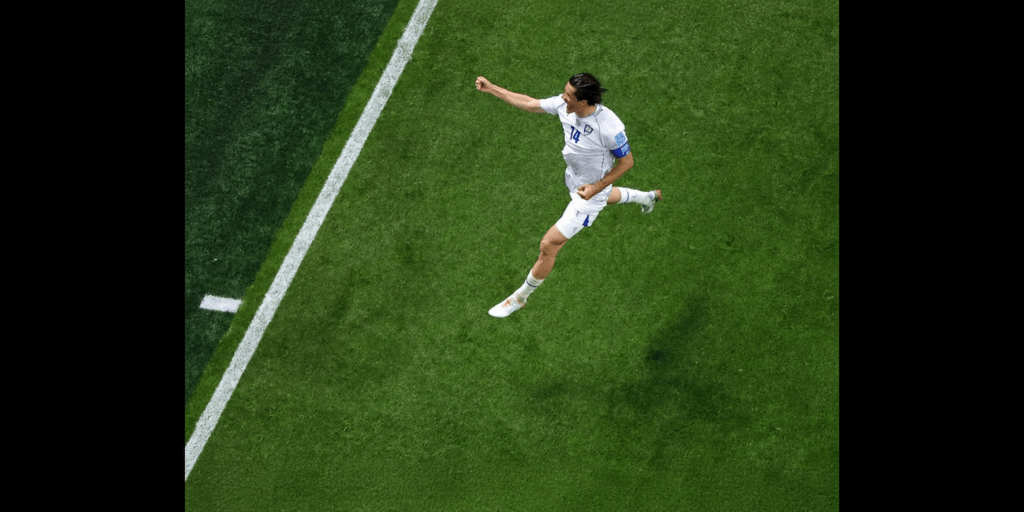
Uzbekistan’s Shomurodov Shortlisted for World Cup Goal Award
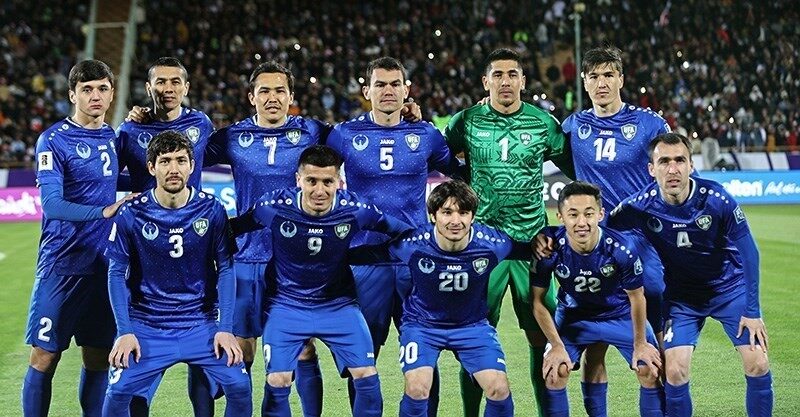
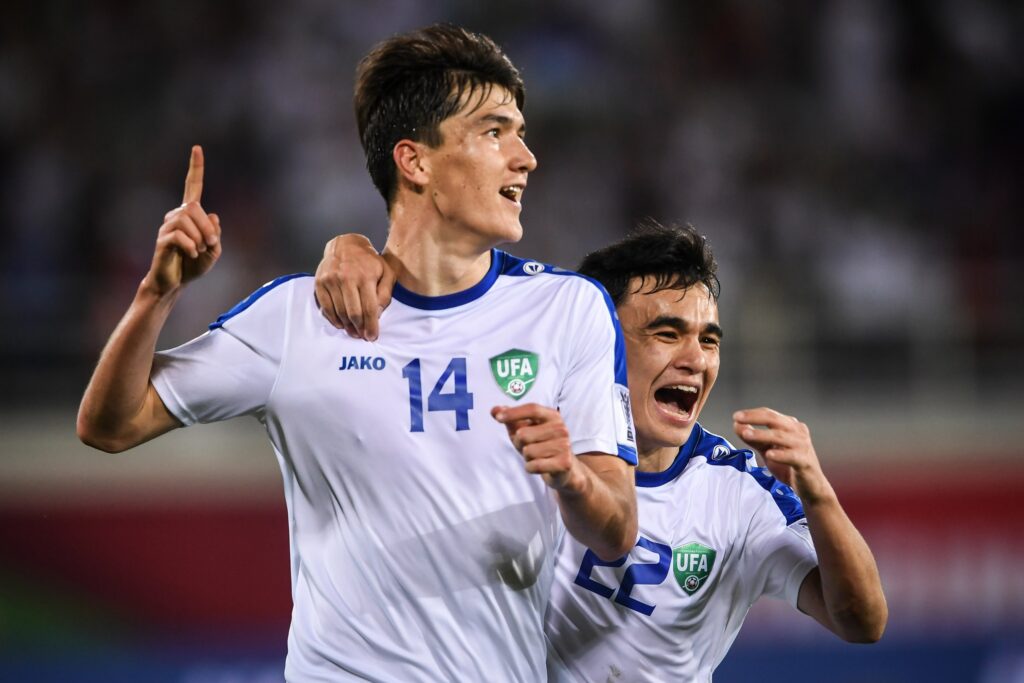
Uzbekistan captain Eldor Shomurodov’s goal against the Democratic Republic of the Congo has been shortlisted for the Hyundai Goal of the Tournament award at the 2026 FIFA World Cup. The Uzbek forward is among 12 finalists selected by FIFA. The winner will be decided by a public vote on FIFA’s official platform. Shomurodov scored in Uzbekistan’s final group-stage match, lifting the ball over goalkeeper Lionel Mpasi from a tight angle to give his team an early lead. DR Congo recovered to win the match 3-1, ending Uzbekistan’s first World Cup campaign with three defeats. The goal had already won the vote for the best strike of the group stage. Shomurodov received 36% of the ballots, finishing ahead of Haiti’s Wilson Isidor and Bosnia and Herzegovina’s Kerim Alajbegovic. Lionel Messi and Vinicius Junior were also among the players he beat in the opening round of voting. The final shortlist brings together goals scored at different stages of the tournament. Shomurodov is competing with some of world football’s biggest names, including Messi and Kylian Mbappe. Jude Bellingham is also among the finalists. Voting is due to remain open until July 27. The 31-year-old striker plays for İstanbul Başakşehir. He moved to Turkey from AS Roma in the summer of 2025, and his contract with the club runs until June 30, 2028. Shomurodov finished the 2025/26 Turkish Süper Lig season as joint top scorer with Trabzonspor forward Paul Onuachu. Both scored 22 goals. Transfermarkt currently values the Uzbek forward at €7 million. Uzbekistan was the only Central Asian country to qualify for the 2026 World Cup and the first from the region to reach the final tournament. Although the team failed to advance from its group, Shomurodov’s goal gave the country one of the most widely recognized moments of the competition. At club level, Kairat Almaty became only the second Kazakhstan club to reach the UEFA Champions League league phase in 2025, after Astana in 2015. The league-phase draw paired Kairat with Real Madrid and Inter Milan. Arsenal was also among its opponents. The achievement matched the deepest run by a Central Asian club in Europe’s premier club competition.