• KGS/USD = 0.01143 0%
  • KZT/USD = 0.00211 0%
  • TJS/USD = 0.10793 0.09%
  • UZS/USD = 0.00008 0%
  • TMT/USD = 0.28571 0%
  • KGS/USD = 0.01143 0%
  • KZT/USD = 0.00211 0%
  • TJS/USD = 0.10793 0.09%
  • UZS/USD = 0.00008 0%
  • TMT/USD = 0.28571 0%
  • KGS/USD = 0.01143 0%
  • KZT/USD = 0.00211 0%
  • TJS/USD = 0.10793 0.09%
  • UZS/USD = 0.00008 0%
  • TMT/USD = 0.28571 0%
  • KGS/USD = 0.01143 0%
  • KZT/USD = 0.00211 0%
  • TJS/USD = 0.10793 0.09%
  • UZS/USD = 0.00008 0%
  • TMT/USD = 0.28571 0%
  • KGS/USD = 0.01143 0%
  • KZT/USD = 0.00211 0%
  • TJS/USD = 0.10793 0.09%
  • UZS/USD = 0.00008 0%
  • TMT/USD = 0.28571 0%
  • KGS/USD = 0.01143 0%
  • KZT/USD = 0.00211 0%
  • TJS/USD = 0.10793 0.09%
  • UZS/USD = 0.00008 0%
  • TMT/USD = 0.28571 0%
  • KGS/USD = 0.01143 0%
  • KZT/USD = 0.00211 0%
  • TJS/USD = 0.10793 0.09%
  • UZS/USD = 0.00008 0%
  • TMT/USD = 0.28571 0%
  • KGS/USD = 0.01143 0%
  • KZT/USD = 0.00211 0%
  • TJS/USD = 0.10793 0.09%
  • UZS/USD = 0.00008 0%
  • TMT/USD = 0.28571 0%

Viewing results 1 - 6 of 2

Turkmenistan Cash Shortage Forces Residents to Pay Middlemen for Their Own Money

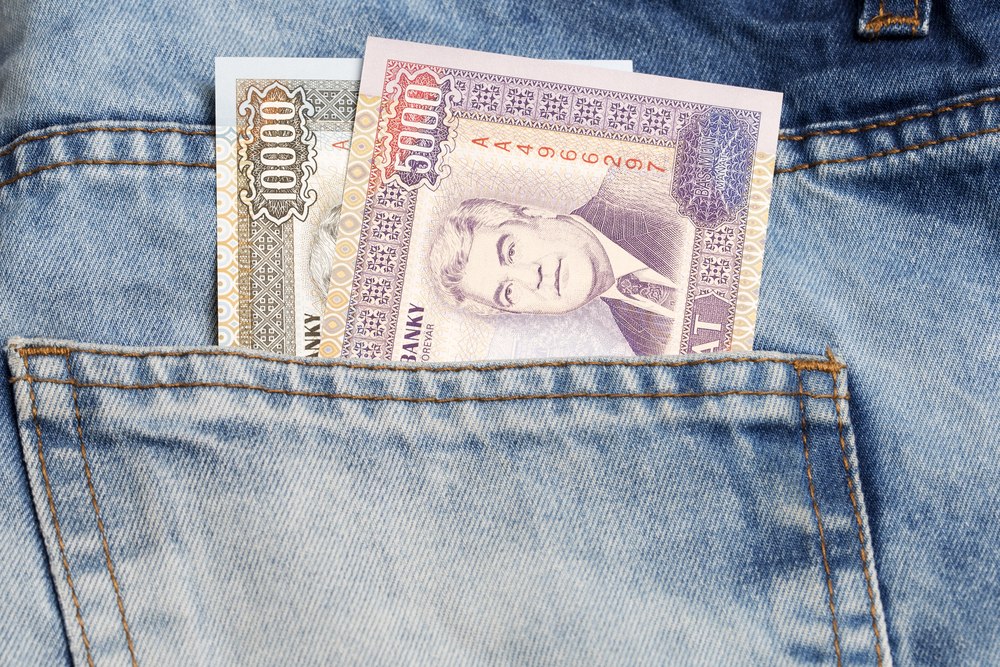
Residents of the town of Kaka in Turkmenistan’s Ahal region are facing a shortage of cash. Queues at ATMs stretch for dozens of people, but many residents are unable to withdraw money because the machines quickly run out of banknotes. As a result, some are turning to intermediaries who help them obtain cash for a fee. In recent weeks, an unusual service has become widespread in the town. So-called “cash-out agents” travel directly to customers with a bank terminal, check the balance on their card, and immediately hand over the requested amount in cash. For this service, they charge a commission of 10 manats for every 1,000 manats withdrawn, or roughly 1%. The intermediaries then take the owner’s bank card and withdraw the money themselves to recover the amount they have advanced. According to local residents, these agents likely know of ATMs with few or no queues, such as those located inside government institutions. The card is later returned to the owner. Despite the relatively small commission, residents use the service less for convenience than because of constant difficulties accessing cash. Many prefer paying a middleman to standing in line for several hours, only to find that the ATM is empty. The exact reasons for the current cash shortage remain unclear. So far, Turkmen.news sources have reported such difficulties only in Kaka. However, similar situations are not new in Turkmenistan. In spring 2025, the same problem was reported in the Mary and Lebap regions, while during the economic crisis of 2020-2021, cash was distributed across the country using vouchers. Authorities have regularly tried to ease the consequences of such crises. Measures have included restrictions on cash withdrawals, limits on withdrawal amounts, assigning specific ATMs to employees of particular enterprises, and allowing customers to use only machines linked to their servicing branch. In some cases, ATMs have even been moved to the outskirts of towns to keep long queues out of public view. Turkmenistan has also periodically imported new banknotes, which are printed in Malta. Residents cannot simply switch to cashless payments. Non-cash transactions are often disrupted by frequent internet outages, while the country’s banking system remains underdeveloped. According to sources, customers have reported missing funds, international transfers can take weeks, and foreign currency can be purchased at the official exchange rate only in limited circumstances and in small amounts. Under these conditions, alternative payment methods have become widespread. For domestic transfers, money is often sent to a mobile phone balance, after which it can be converted into cash through intermediaries for a commission. A similar system is also used for transfers from countries with large Turkmen diaspora communities. Money is handed over to intermediaries abroad, while their partners inside Turkmenistan provide recipients with the equivalent amount in manats. Such informal networks complicate oversight of financial flows. They have also emerged in response to the limitations and weak development of the country’s banking system.

Uzbekistan Plans AI-Based Lending Platform to Expand Financing for Small Businesses

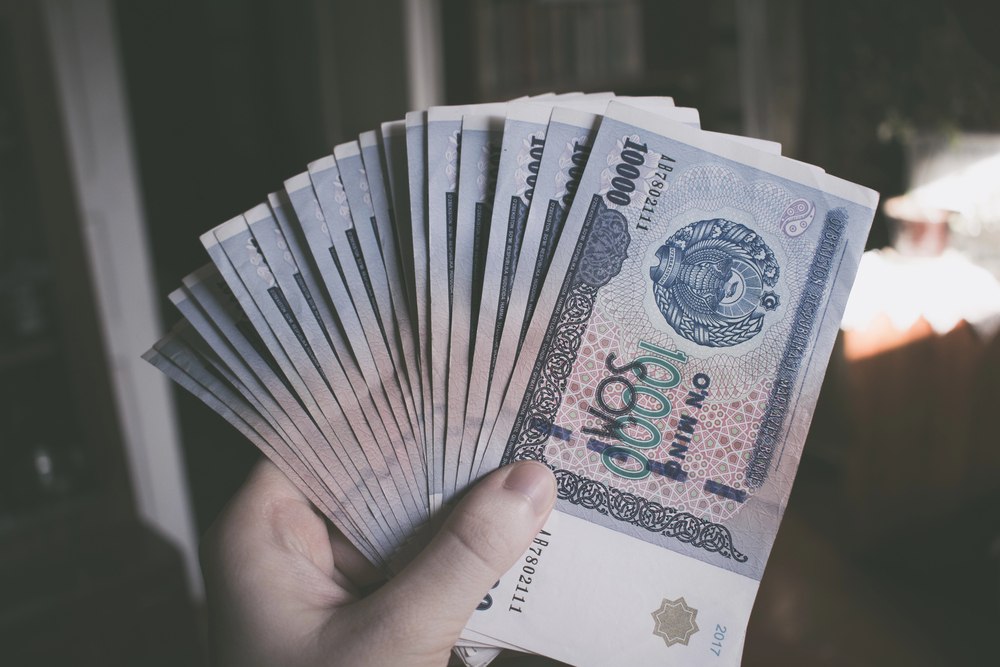
Uzbekistan’s president Shavkat Mirziyoyev has reviewed proposals aimed at expanding financial support for small and medium-sized businesses, including the launch of a digital lending platform that would use artificial intelligence to assess borrowers and improve access to credit, according to Uzbekistan’s presidential press service. The proposals are part of a wider effort to increase the role of small businesses in the economy and reduce barriers to financial services. Despite years of reforms, officials said many entrepreneurs in Uzbekistan still face difficulties obtaining loans, particularly those without a credit history. According to figures presented during the meeting, the total loan portfolio allocated to small and medium-sized businesses has reached 218 trillion UZS, or about $17.3 billion, equivalent to around 12% of the country’s GDP. However, unsecured online microloans remain limited, and obtaining such financing currently takes up to seven days on average. The government plans to address these challenges through a new digital financial platform where entrepreneurs will be able to submit loan applications, receive offers from several banks simultaneously, compare terms, and choose the most suitable option. The platform is expected to be integrated with Uzbekistan’s e-government databases, allowing banks to automatically access information on businesses. Officials said this would reduce paperwork, shorten processing times, and limit human influence in lending decisions. One of the most significant proposed changes is the introduction of an alternative credit scoring system using elements of AI, scheduled for implementation from December 1, 2026. Unlike traditional scoring models that rely mainly on previous borrowing history, the new approach would consider factors such as business activity, utility payments, turnover, tax records, and other digital indicators. The aim is to enable banks to assess entrepreneurs who have never taken out loans before, potentially widening access to financing for startups and small enterprises operating outside conventional banking criteria. The government also plans to use AI tools to generate recommendations for improving creditworthiness, evaluating business risks, and supporting business development. Commercial banks may also introduce an “AI consultant” program designed to help entrepreneurs develop business ideas and identify financing opportunities based on local economic specialization and growth potential within neighborhoods, known as mahallas. Other measures under consideration include increasing the unsecured portion of microloans for borrowers with positive repayment records from 100 million to 200 million UZS. Interest expenses on loans or leasing arrangements of up to 5 billion UZS would also be partially compensated regardless of the total loan or lease size. Officials also proposed annual grants of up to 300 million UZS for 100 high-performing businesses to support digitalization, the adoption of international standards, and green technologies.