• KGS/USD = 0.01144 0%
  • KZT/USD = 0.00204 0%
  • TJS/USD = 0.10571 -0.28%
  • UZS/USD = 0.00008 0%
  • TMT/USD = 0.28571 0%
  • KGS/USD = 0.01144 0%
  • KZT/USD = 0.00204 0%
  • TJS/USD = 0.10571 -0.28%
  • UZS/USD = 0.00008 0%
  • TMT/USD = 0.28571 0%
  • KGS/USD = 0.01144 0%
  • KZT/USD = 0.00204 0%
  • TJS/USD = 0.10571 -0.28%
  • UZS/USD = 0.00008 0%
  • TMT/USD = 0.28571 0%
  • KGS/USD = 0.01144 0%
  • KZT/USD = 0.00204 0%
  • TJS/USD = 0.10571 -0.28%
  • UZS/USD = 0.00008 0%
  • TMT/USD = 0.28571 0%
  • KGS/USD = 0.01144 0%
  • KZT/USD = 0.00204 0%
  • TJS/USD = 0.10571 -0.28%
  • UZS/USD = 0.00008 0%
  • TMT/USD = 0.28571 0%
  • KGS/USD = 0.01144 0%
  • KZT/USD = 0.00204 0%
  • TJS/USD = 0.10571 -0.28%
  • UZS/USD = 0.00008 0%
  • TMT/USD = 0.28571 0%
  • KGS/USD = 0.01144 0%
  • KZT/USD = 0.00204 0%
  • TJS/USD = 0.10571 -0.28%
  • UZS/USD = 0.00008 0%
  • TMT/USD = 0.28571 0%
  • KGS/USD = 0.01144 0%
  • KZT/USD = 0.00204 0%
  • TJS/USD = 0.10571 -0.28%
  • UZS/USD = 0.00008 0%
  • TMT/USD = 0.28571 0%
17 February 2026

Viewing results 1 - 6 of 12

Kyrgyzstan’s Fishing Industry Goes Digital

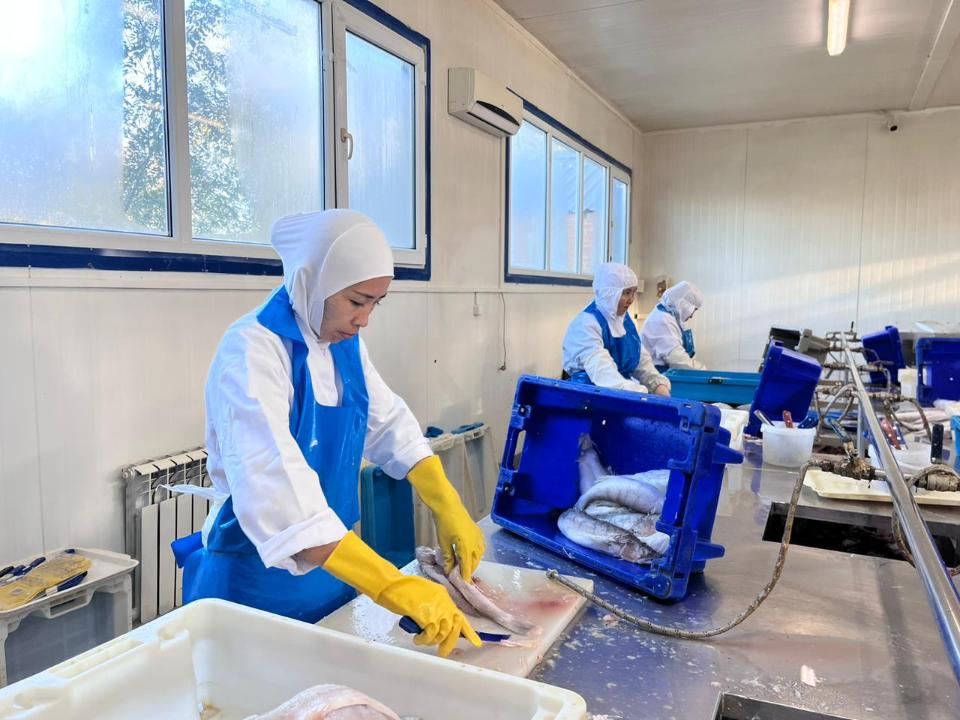
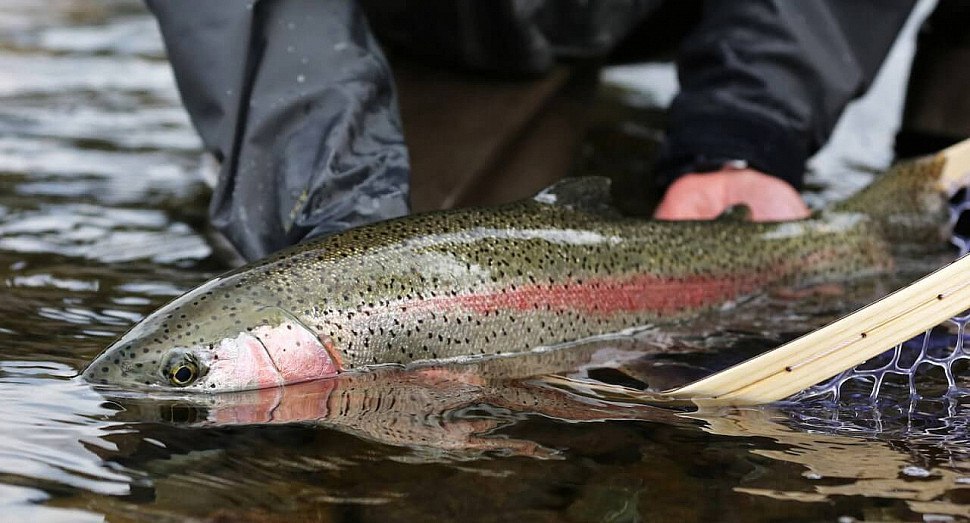
Kyrgyzstan is launching a large-scale digital transformation of its fishing industry. The Ministry of Agriculture has announced the rollout of several new electronic services, including online fishing permits, a unified digital registry of fishing waters, and a fish traceability system. According to the ministry, the Department of Fisheries is implementing a suite of digital platforms aimed at enhancing transparency and convenience for entrepreneurs in the aquaculture sector. A new electronic fishing permit system is already in place for recreational anglers. Permits can be purchased through the Ministry of Agriculture’s official website, with payments processed via QR code. To streamline the process, the ministry has released a step-by-step video tutorial on social media, intended to simplify access and reduce informal transactions. In parallel, an automated information system has been launched, including a unified electronic register of fishery water bodies and registered fishery entities. “An automated information system has been developed, a unified electronic register of fishery water bodies and fishery entities, which is now operational. With it, entrepreneurs can access state services from the Department of the Fishing Industry in electronic format,” the ministry’s press service stated. A key component of the digitalization effort is the development of a fish and fish product traceability system. This initiative is designed to ensure compliance with veterinary and sanitary standards and to boost the export potential of products labeled “Made in Kyrgyzstan.” By the end of 2025, Kyrgyzstan’s commercial fish production reached approximately 19,500 tons. The Chui region led the country in output, producing 12,800 tons.
Kazakhstan Expands Aquaculture Support to Boost Fish Production

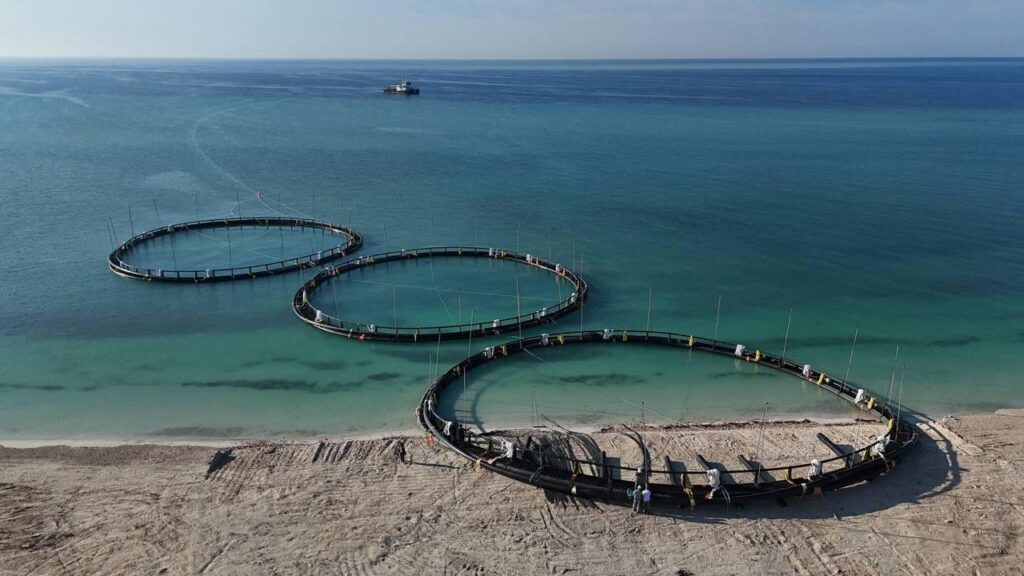
Kazakhstan has introduced new state support measures for its aquaculture sector in an effort to reduce production costs, attract investment, and enhance the industry's long-term sustainability. Between January and November 2025, aquaculture accounted for 20,900 tons of the country’s total 76,800 tons of fish production, a 22% increase compared to the same period in 2024. The remaining 38,500 tons came from natural water bodies. According to the Ministry of Agriculture, the new support framework focuses on three main areas: Partial reimbursement of investment costs in aquaculture projects Subsidies aimed at improving productivity, product quality, and the development of fish breeding farms Subsidies for water supply costs One of the key changes to the investment subsidy program is a new condition requiring recipients to maintain aquaculture operations for at least five years after receiving state support. This measure is designed to ensure the long-term impact of subsidies and prevent misuse or short-term exploitation of funds. Under the new rules, the government will reimburse 25% of investment costs for: Establishing or expanding feed production facilities with a capacity of at least one ton per hour Developing pond farms with annual production volumes above 25 tons Building farms using pool systems and closed-loop water supply infrastructure Additional support will be available for pond aquaculture projects with annual production above 50 tons, the purchase of fish farming equipment for operations on water bodies of at least 50 hectares, the creation or expansion of fish processing facilities with daily output of at least one ton, and for reproduction farms producing fish juveniles. Subsidies will also cover 30% of feed costs and 50% of fry acquisition costs. Water supply subsidies range from 60% to 85%, with priority given to aquaculture farms located in water-scarce regions. These updated subsidy mechanisms are expected to drive further growth in fish production, improve product quality, and strengthen Kazakhstan’s competitiveness in both domestic and international fish markets.

Kazakhstan’s Fish Production Continues Upward Trend

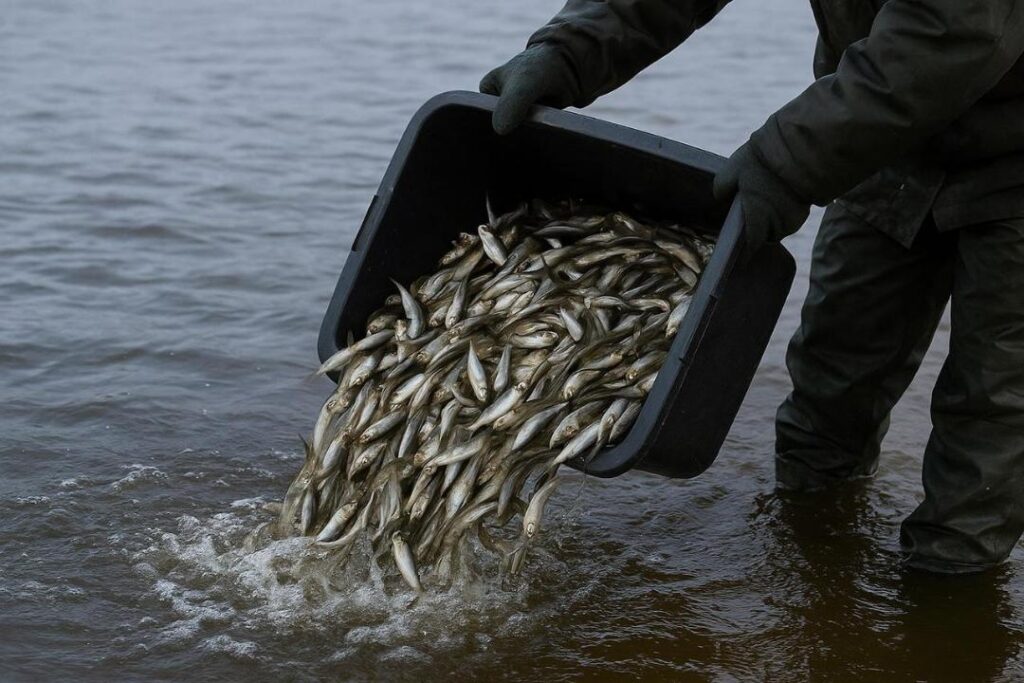
Kazakhstan’s fishing industry continues to show steady growth, reinforcing its role as a key contributor to economic development, job creation, and food security. According to the Ministry of Agriculture, Kazakhstan produced 76,800 tons of fish between January and November 2025, marking a 10% increase compared to the same period in 2024. Of this, 38,500 tons were sourced from natural water bodies, also a 10% rise, while aquaculture accounted for 20,900 tons, reflecting a 22% year-on-year increase. The country currently operates 72 fish processing plants with a combined annual capacity of around 120,000 tons. Of these, 20 facilities are certified to export to the European Union. Kazakhstan exports fish products to 21 countries, including Germany, the Netherlands, Russia, and China. In 2024, Kazakhstan exported 23,400 tons of fish products valued at $74.7 million. Data for 2025 is not yet available. During the first 11 months of 2025, the country produced 59,400 tons of processed fish products. This was supported by state-backed measures, including a 70% reduction in VAT and preferential loans at 5% annual interest, aimed at expanding the fish processing sector. Investment in the industry also continues to grow. Between 2021 and 2024, Kazakhstan implemented 87 aquaculture projects totaling 21.4 billion tenge (USD 41.9 million). An additional 4.6 billion tenge (USD 9 million) was invested in fisheries development during the first 11 months of 2025. One of the key projects under development is the modernization of the Atyrau Sturgeon Farm, which aims to increase the annual production of sturgeon fry from 5 million to 7.5 million. In 2025, 21.92 million juveniles of valuable fish species, including sturgeon, were released into natural and artificial water bodies across the country. With ongoing modernization of state-run hatcheries, total production capacity is expected to rise significantly from 18.4 million to 80.5 million fry per year. Kazakhstan’s fishing sector has entered a stage of sustainable growth. Increased government support, rising investment, and infrastructure modernization are laying a strong foundation for further expansion in fish production and processing, while also contributing to the conservation of aquatic ecosystems and improving access to high-quality fish products for the population.

New Kazakh Fish Processing Plant Exports Aral Fish to Europe

A new fish processing plant has opened in Kazakhstan’s Kyzylorda region, signaling continued progress in efforts to revive the fishing industry in the Aral Sea basin, once the site of one of the world’s most devastating environmental disasters. According to the Ministry of Agriculture, the facility, located in the Aral district, has the capacity to process up to 6,000 tons of fish annually. Outfitted with modern equipment, the plant focuses on producing environmentally sustainable fish products that comply with international quality and safety standards. Its primary export, pike perch fillets, is shipped to markets in Germany, Denmark, and Norway. Kazakhstan currently operates 72 fish processing plants, 20 of which are licensed to export to the European Union. The country’s fishing sector has been buoyed by ongoing efforts to restore the Northern Aral Sea. Formed in 1987 during the large-scale desiccation of the original Aral Sea, the northern section has been preserved and partially replenished following the construction of the Kokaral Dam. Earlier this year, The Times of Central Asia reported a record increase in the sea’s water volume. Rising water levels have expanded the surface area, reduced salinity, and facilitated the return of 22 fish species to the ecosystem. The annual catch in the Northern Aral now reaches approximately 8,000 tons, creating new economic opportunities for local communities. Kazakhstan’s fishing industry continues to show steady growth. In 2024, the country produced 94,600 tons of fish products, a 7% increase compared to 2023. Of this total, 45,200 tons came from natural water bodies, while 18,200 tons were farmed. In the same year, Kazakhstan exported 23,400 tons of fish products worth $74.7 million to 21 countries, reflecting rising global demand for sustainable fish from the Aral region.