
• KGS/USD = 0.01144 0%
  • KZT/USD = 0.00202 0%
  • TJS/USD = 0.10464 -0.1%
  • UZS/USD = 0.00008 0%
  • TMT/USD = 0.28571 0%
  • KGS/USD = 0.01144 0%
  • KZT/USD = 0.00202 0%
  • TJS/USD = 0.10464 -0.1%
  • UZS/USD = 0.00008 0%
  • TMT/USD = 0.28571 0%
  • KGS/USD = 0.01144 0%
  • KZT/USD = 0.00202 0%
  • TJS/USD = 0.10464 -0.1%
  • UZS/USD = 0.00008 0%
  • TMT/USD = 0.28571 0%
  • KGS/USD = 0.01144 0%
  • KZT/USD = 0.00202 0%
  • TJS/USD = 0.10464 -0.1%
  • UZS/USD = 0.00008 0%
  • TMT/USD = 0.28571 0%
  • KGS/USD = 0.01144 0%
  • KZT/USD = 0.00202 0%
  • TJS/USD = 0.10464 -0.1%
  • UZS/USD = 0.00008 0%
  • TMT/USD = 0.28571 0%
  • KGS/USD = 0.01144 0%
  • KZT/USD = 0.00202 0%
  • TJS/USD = 0.10464 -0.1%
  • UZS/USD = 0.00008 0%
  • TMT/USD = 0.28571 0%
  • KGS/USD = 0.01144 0%
  • KZT/USD = 0.00202 0%
  • TJS/USD = 0.10464 -0.1%
  • UZS/USD = 0.00008 0%
  • TMT/USD = 0.28571 0%
  • KGS/USD = 0.01144 0%
  • KZT/USD = 0.00202 0%
  • TJS/USD = 0.10464 -0.1%
  • UZS/USD = 0.00008 0%
  • TMT/USD = 0.28571 0%

Viewing results 1 - 6 of 4

Kazakhstan’s Reservoirs Prepared for Spring Flooding

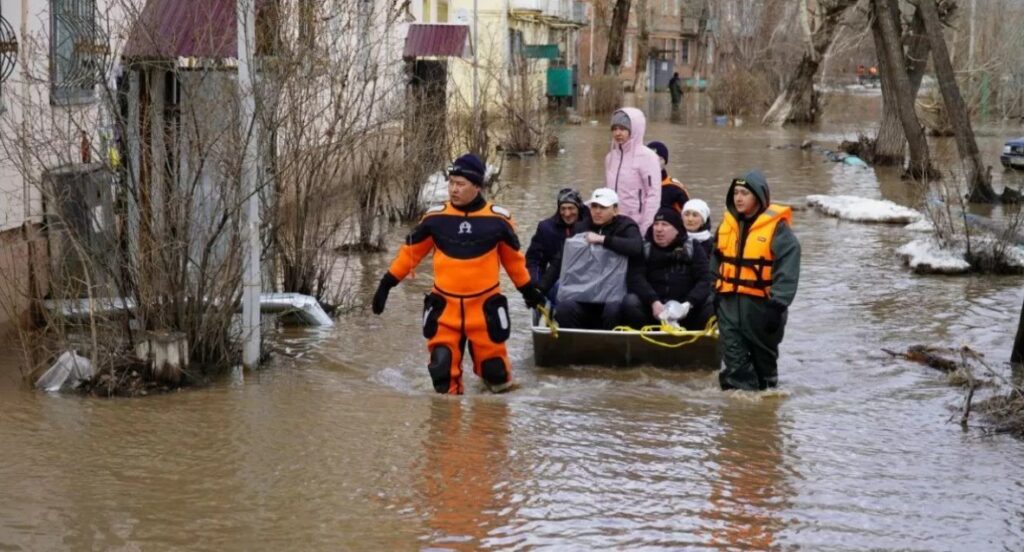
Kazakhstan’s authorities have announced that the country’s water management infrastructure is prepared for the spring flood period. According to the Ministry of Water Resources and Irrigation, the total available storage capacity in the country’s large reservoirs exceeds the projected volume of snowmelt inflows, with the highest water levels currently recorded in the eastern regions. Flood preparedness has remained a priority for the government since 2024, when Kazakhstan experienced its most severe spring flooding in 80 years. The disaster affected dozens of settlements and forced the evacuation of more than 120,000 people, drawing sharp criticism of local authorities. In response, the central government intensified coordination efforts and preventive measures. As of February, the ministry reported that the total available storage capacity in large reservoirs exceeds 14.3 billion cubic meters. Projected spring inflows are estimated at between 9.1 billion and 13.9 billion cubic meters. The ministry also announced inspections of hydraulic infrastructure and ongoing repair work at 39 facilities. Major repairs have been completed at the Charske Reservoir in the Abai region, the Akzhar Reservoir in Shymkent, the Sholak Dam in the Aktobe region, and the reconstructed dam in the village of Stepnoye in the Kostanay region. In addition, riverbed preparation measures are underway. Under the 2025-2027 Roadmap for River Rehabilitation, nearly 167 kilometers of riverbeds in western, central, and northern regions have already been cleaned and deepened. In 2026, similar work is planned across six additional regions, covering approximately 193 kilometers. Kazakhstan has also strengthened coordination with neighboring countries. In 2025, a joint working group was established with Russia to address flooding and elevated water levels, including along the transboundary Ural River. The final forecast for water levels in the basin is expected in early March. According to Kazakh officials, the Russian side has stated that water discharges from the Iriklinskoye Reservoir during the flood period will not exceed 200 cubic meters per second. An emergency notification and monitoring system for transboundary water flows along the Irtysh River is also in operation with China, including regular exercises and communication checks. The Times of Central Asia previously reported that in 2025 Kazakhstan began releasing water from key reservoirs as early as January to increase available storage capacity ahead of the spring flood season.


Kazakhstan Launches Flood Forecasting and Modeling System

Kazakhstan has launched Tasqyn, a new information system designed to forecast and model floods, Minister of Water Resources and Irrigation Nurzhan Nurzhigitov announced during a February 18 meeting on preparations for spring floods. Currently, flood modeling is being conducted at 142 hydro posts along 128 river sections across the country. A team of 114 specialists monitors data from these hydro posts daily, entering it into the new system. The Tasqyn system is integrated with the Global Flood Awareness System (GloFAS), a worldwide flood warning network. It is expected to provide a final forecast for Kazakhstan’s 2025 spring flood season in early March. According to Nurzhigitov, in addition to domestic flood preparedness efforts, Kazakhstan’s Ministry of Water Resources and Irrigation maintains regular communication with neighboring countries to exchange hydrological data. The country has also begun controlled water releases from reservoirs to create additional capacity for melting snow runoff. Currently, Kazakhstan’s reservoirs can accommodate 13 billion cubic meters of floodwater, the minister stated. The new forecasting system is a crucial step toward preventing a repeat of the spring 2024 floods, which devastated Kazakhstan’s western and northern regions due to rapid snowmelt. The disaster destroyed thousands of homes and forced nearly 100,000 people to evacuate. As previously reported by The Times of Central Asia, Kazakhstan’s reservoirs and lakes accumulated over 75 billion cubic meters of water in 2024, including more than 12 billion cubic meters of floodwater.