

• KGS/USD = 0.01144 0%
  • KZT/USD = 0.00202 0%
  • TJS/USD = 0.10448 -0.19%
  • UZS/USD = 0.00008 0%
  • TMT/USD = 0.28490 0%
  • KGS/USD = 0.01144 0%
  • KZT/USD = 0.00202 0%
  • TJS/USD = 0.10448 -0.19%
  • UZS/USD = 0.00008 0%
  • TMT/USD = 0.28490 0%
  • KGS/USD = 0.01144 0%
  • KZT/USD = 0.00202 0%
  • TJS/USD = 0.10448 -0.19%
  • UZS/USD = 0.00008 0%
  • TMT/USD = 0.28490 0%
  • KGS/USD = 0.01144 0%
  • KZT/USD = 0.00202 0%
  • TJS/USD = 0.10448 -0.19%
  • UZS/USD = 0.00008 0%
  • TMT/USD = 0.28490 0%
  • KGS/USD = 0.01144 0%
  • KZT/USD = 0.00202 0%
  • TJS/USD = 0.10448 -0.19%
  • UZS/USD = 0.00008 0%
  • TMT/USD = 0.28490 0%
  • KGS/USD = 0.01144 0%
  • KZT/USD = 0.00202 0%
  • TJS/USD = 0.10448 -0.19%
  • UZS/USD = 0.00008 0%
  • TMT/USD = 0.28490 0%
  • KGS/USD = 0.01144 0%
  • KZT/USD = 0.00202 0%
  • TJS/USD = 0.10448 -0.19%
  • UZS/USD = 0.00008 0%
  • TMT/USD = 0.28490 0%
  • KGS/USD = 0.01144 0%
  • KZT/USD = 0.00202 0%
  • TJS/USD = 0.10448 -0.19%
  • UZS/USD = 0.00008 0%
  • TMT/USD = 0.28490 0%

Viewing results 1 - 6 of 6

Kazakh Food Exports to China Grow After CIIE 2025 Deal

At the China International Import Expo (CIIE 2025) in Shanghai, Kazakhstan’s Trade Policy Development Center, QazTrade, signed a partnership agreement with Optimize Integration Group (OIG), one of China’s leading food importers responsible for 18% of all frozen meat imports into the country. The agreement aims to promote digital trade and create online platforms that will facilitate the entry of Kazakhstani food products into the Chinese market. Under the terms of the agreement, both sides will jointly promote Kazakh agricultural and food products, improve logistics infrastructure, and develop digital trade technologies and payment systems. “This partnership with OIG, one of the most technologically advanced and influential trading platforms in China, opens up significant opportunities,” said QazTrade CEO Aitmukhamed Aldazharov. “Kazakhstani producers will not only increase their exports to China but will also integrate into advanced digital supply chains. This is a major step forward for e-commerce and mutual trust between our countries.” At CIIE 2025, QazTrade also showcased the growing potential of Kazakhstan’s agricultural cooperatives. In collaboration with the National Association of Cooperatives of Kazakhstan and China Coop, China’s largest cooperative retail network, Kazakh products such as honey, kumis, and confectionery are set to enter the Chinese retail market. China Coop encompasses over 340,000 retail outlets with annual turnover exceeding 7 trillion yuan. Aldazharov expressed confidence in the cooperatives' prospects, noting that joint market research has been conducted, trial shipments arranged, and priority export categories identified. These include vegetable oil, meat, honey, dairy beverages, and confectionery. In parallel, QazTrade is launching an acceleration and training program aimed at Chinese companies seeking to expand their operations in Kazakhstan and across Central Asia.

Kyrgyzstan Achieves Self-Sufficiency in Six Staple Food Products

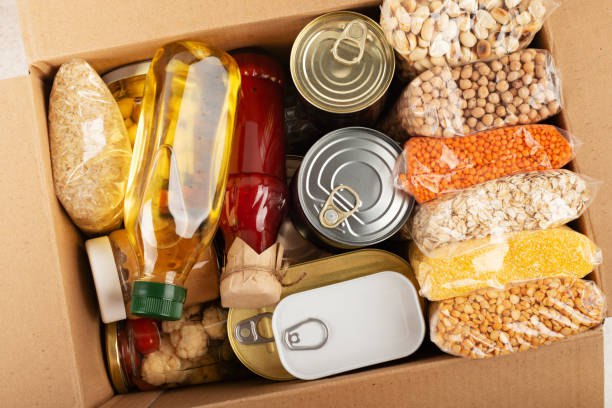
Kyrgyzstan is now fully self-sufficient in six of nine socially important food products: potatoes, milk, meat, vegetables, eggs, and sugar, according to the Ministry of Water Resources, Agriculture, and Processing Industry, which oversees national food security through agricultural production monitoring. The country achieved full self-sufficiency in sugar in 2024, having previously relied on imports. Regarding meat, Kyrgyzstan meets its domestic demand for beef and lamb and is close to achieving self-sufficiency in poultry. However, higher meat prices in neighboring Uzbekistan and Tajikistan led Kyrgyz farmers to export meat for greater profits. In response, the government introduced a ban on meat exports and imposed price controls to stabilize domestic markets. To support local egg producers, the government has banned egg imports amid rising domestic production. Kyrgyzstan now exports chicken eggs; from January to August 2025, the country exported 3.3 million eggs. The remaining three staple food products, bread (including flour and grain), vegetable oil, and fruit, are still partially dependent on imports.