
• KGS/USD = 0.01144 0%
  • KZT/USD = 0.00205 0%
  • TJS/USD = 0.10429 0.29%
  • UZS/USD = 0.00008 0%
  • TMT/USD = 0.28490 0%
  • KGS/USD = 0.01144 0%
  • KZT/USD = 0.00205 0%
  • TJS/USD = 0.10429 0.29%
  • UZS/USD = 0.00008 0%
  • TMT/USD = 0.28490 0%
  • KGS/USD = 0.01144 0%
  • KZT/USD = 0.00205 0%
  • TJS/USD = 0.10429 0.29%
  • UZS/USD = 0.00008 0%
  • TMT/USD = 0.28490 0%
  • KGS/USD = 0.01144 0%
  • KZT/USD = 0.00205 0%
  • TJS/USD = 0.10429 0.29%
  • UZS/USD = 0.00008 0%
  • TMT/USD = 0.28490 0%
  • KGS/USD = 0.01144 0%
  • KZT/USD = 0.00205 0%
  • TJS/USD = 0.10429 0.29%
  • UZS/USD = 0.00008 0%
  • TMT/USD = 0.28490 0%
  • KGS/USD = 0.01144 0%
  • KZT/USD = 0.00205 0%
  • TJS/USD = 0.10429 0.29%
  • UZS/USD = 0.00008 0%
  • TMT/USD = 0.28490 0%
  • KGS/USD = 0.01144 0%
  • KZT/USD = 0.00205 0%
  • TJS/USD = 0.10429 0.29%
  • UZS/USD = 0.00008 0%
  • TMT/USD = 0.28490 0%
  • KGS/USD = 0.01144 0%
  • KZT/USD = 0.00205 0%
  • TJS/USD = 0.10429 0.29%
  • UZS/USD = 0.00008 0%
  • TMT/USD = 0.28490 0%

Viewing results 1 - 6 of 2

Russia’s Gasoline Export Ban: Limited Shock, Broader Lessons for Central Asia

Russia’s decision to prolong restrictions on gasoline exports has raised concerns in energy markets, but for Central Asia, the immediate fallout appears limited. The true significance lies in what the move reveals about structural dependencies, the role of the Eurasian Economic Union (EAEU), and the region’s long-term push to diversify energy supplies. Moscow Extends Ban On September 2, Russian officials confirmed that the government may prolong its gasoline export ban for oil producers into October, extending measures first introduced in late summer. Deputy head of the Federal Antimonopoly Service, Vitaly Korolev, told state media that the authorities were weighing a one-month extension beyond the current deadline of September 30. As reported by Reuters, the aim is to stabilize domestic fuel supplies following refinery outages and a seasonal spike in demand. Ukrainian drone strikes have also damaged key refineries, reducing Russia’s production capacity by an estimated 10–17%. The ban affects a relatively small share of Russia’s overall fuel output but highlights the state’s readiness to intervene in energy markets. Previous restrictions in 2023 and 2024 temporarily halted shipments to stabilize domestic prices. The latest decision reflects similar concerns: tightening inventories, growing demand from the agricultural sector, and pressure to prevent inflation ahead of winter. While Moscow insists the measure is temporary, traders and governments across post-Soviet space are watching closely. Russia remains one of the world’s largest fuel exporters, and even marginal policy changes can cause significant ripples. Fuel Security in Central Asia For Central Asia, the impact of the ban will be blunted by exemptions. As members of the EAEU, both Kazakhstan and Kyrgyzstan continue to import Russian gasoline without interruption. Kazakhstan’s Ministry of Energy issued a statement stressing that the country is self-sufficient, pointing to its refineries in Pavlodar, Shymkent, and Atyrau. “For countries that have signed the relevant intergovernmental agreement… these restrictions do not apply,” Minister of Energy, Yerlan Akkenzhenov, stated. Kyrgyzstan is highly dependent on Russian imports. However, according to Kyrgyzstan’s Ministry of Energy, the 1.6 million tons of fuel the country consumes annually, 93% of which is imported from Russia under intergovernmental agreements, will remain unaffected by the export ban. Since mid-summer, gasoline and diesel prices have climbed, driven by rising global oil benchmarks and repair work at several Russian refineries. Talks are already in progress to set revised supply volumes for 2026. Non-EAEU states face a different challenge. Uzbekistan sources fuel through state-brokered contracts with Russian companies, ensuring stability for now, but smaller private importers outside of these deals have reported difficulties accessing volumes. Late last year, the Chairman of Uzbekistan’s Central Bank warned that the country’s growing reliance on Russian fuel imports could increase vulnerability to supply shocks, which may translate into limited competition and rising prices. Tajikistan remains heavily dependent on Russian fuel through bilateral import agreements, and its virtually non-existent refining capacity makes it highly susceptible to external price fluctuations, a vulnerability underscored by seasonal diesel shortages and repeated spikes in domestic fuel prices. Turkmenistan, meanwhile, continues subsidizing its energy sector heavily:...

Gasoline Prices Rise in Kyrgyzstan Amid Heavy Dependence on Russian Imports

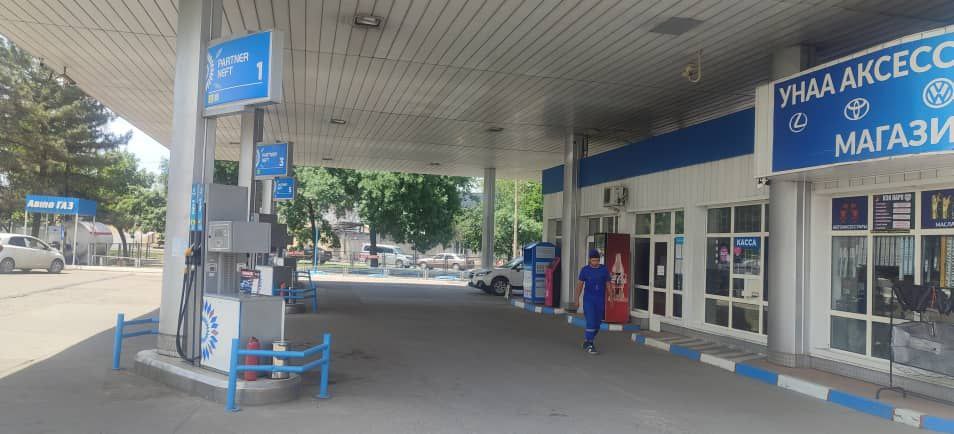
Gasoline prices in Kyrgyzstan have continued to rise in recent months, despite official assurances that fuel reserves remain sufficient. The Kyrgyz Ministry of Energy reports that domestic supplies and ongoing fuel imports from Russia are currently adequate to meet national demand. According to the ministry, Kyrgyzstan consumes approximately 1.6 million tons of fuel annually, with over 90 percent of its gasoline imported from Russia. Each year, export volumes are negotiated between Moscow and Kyrgyz oil traders. When those volumes are exhausted, prices typically begin to increase. “The agreed volumes for 2025 have not yet been fully met, but oil products are being supplied as usual and without interruption. At the same time, work is underway to agree on new volumes for 2026,” the ministry stated. Officials attribute the recent price hikes to global market trends and disruptions in Russian refinery operations. Several refineries have undergone scheduled maintenance, while others were forced to halt operations following drone attacks linked to the conflict in Ukraine. Despite a recently announced gasoline export ban by Russian authorities, the restriction does not apply to countries within the Eurasian Economic Union (EAEU), including Kyrgyzstan. Industry Concerns About Future Supply Kanat Eshatov, head of the Kyrgyz Oil Traders Association, told The Times of Central Asia that local traders remain cautious, anticipating further price increases by the end of September. “The first half of the year was fairly calm on the fuel market, with only a slight increase in prices. But in June and July, prices rose sharply due to scheduled repairs at refineries in Russia. A total of 20 plants were shut down for repairs. Five of them underwent unscheduled repairs due to attacks by Ukrainian drones. Some Russian regions are experiencing a shortage of fuel. The Russian government is now redistributing its reserves,” Eshatov said. The association is concerned about Kyrgyzstan’s limited fuel buffer. Major oil companies in the country reportedly hold only two months’ worth of gasoline reserves. Any significant supply interruption from Russia could quickly lead to a national shortage. Comparative Prices in the Region Eshatov noted that, due to Kyrgyzstan’s exemption from export duties on Russian gasoline, fuel prices remain lower than in neighboring countries. For example, in Tajikistan, gasoline prices have increased by $0.27 per liter this year, and diesel by $0.22. In Uzbekistan, gasoline is up by $0.26 per liter and diesel by $0.11. To ensure continued supply stability, Kyrgyz oil traders are also exploring alternative import routes and are currently in negotiations with Kazakhstan and Azerbaijan.