

• KGS/USD = 0.01144 0%
  • KZT/USD = 0.00202 0%
  • TJS/USD = 0.10563 -0.09%
  • UZS/USD = 0.00008 0%
  • TMT/USD = 0.28490 0%
  • KGS/USD = 0.01144 0%
  • KZT/USD = 0.00202 0%
  • TJS/USD = 0.10563 -0.09%
  • UZS/USD = 0.00008 0%
  • TMT/USD = 0.28490 0%
  • KGS/USD = 0.01144 0%
  • KZT/USD = 0.00202 0%
  • TJS/USD = 0.10563 -0.09%
  • UZS/USD = 0.00008 0%
  • TMT/USD = 0.28490 0%
  • KGS/USD = 0.01144 0%
  • KZT/USD = 0.00202 0%
  • TJS/USD = 0.10563 -0.09%
  • UZS/USD = 0.00008 0%
  • TMT/USD = 0.28490 0%
  • KGS/USD = 0.01144 0%
  • KZT/USD = 0.00202 0%
  • TJS/USD = 0.10563 -0.09%
  • UZS/USD = 0.00008 0%
  • TMT/USD = 0.28490 0%
  • KGS/USD = 0.01144 0%
  • KZT/USD = 0.00202 0%
  • TJS/USD = 0.10563 -0.09%
  • UZS/USD = 0.00008 0%
  • TMT/USD = 0.28490 0%
  • KGS/USD = 0.01144 0%
  • KZT/USD = 0.00202 0%
  • TJS/USD = 0.10563 -0.09%
  • UZS/USD = 0.00008 0%
  • TMT/USD = 0.28490 0%
  • KGS/USD = 0.01144 0%
  • KZT/USD = 0.00202 0%
  • TJS/USD = 0.10563 -0.09%
  • UZS/USD = 0.00008 0%
  • TMT/USD = 0.28490 0%
20 February 2026

Viewing results 1 - 6 of 9

Trump’s G20 Invitations: Why Kazakhstan and Uzbekistan Matter

On December 23, President Donald Trump said he would invite Kazakhstan and Uzbekistan to attend the United States–hosted 2026 G20 summit in Miami. The meeting is planned at Trump National Doral. The announcement followed separate telephone calls with Kazakhstan’s President Kassym-Jomart Tokayev and Uzbekistan’s President Shavkat Mirziyoyev, which Trump described as focused on peace and expanded trade, and cooperation. The G20 is a group of major economies, with membership based mainly on large nominal GDP and global economic importance, collectively representing about 85% of global GDP. Kazakhstan is ranked roughly 50th in the world by nominal GDP, at approximately $300 billion, while Uzbekistan is ranked around 62nd, with a nominal GDP of about $137–140 billion. According to Polish radio, the president of Poland stated that his country would also be on the guest list. Poland is the world’s 21st-largest economy. The G20 is a forum, not a treaty body. Leaders’ summits include member governments and a limited number of host-selected guest countries. Invitations to Kazakhstan and Uzbekistan would place their leaders physically at the table with G20 heads of state, allowing them to be seen, heard, and recognized by other leaders, without conferring membership or a formal role in shaping the summit agenda. On average, the host invites six to seven guests. One official host-country explainer notes that guest invitations allow non-members to bring their own perspectives. For them, the significance of attending is access, not membership. What Washington Wants and What Can Be Transacted The host typically uses the guest invitations to signal which countries and regions they regard as priorities. U.S. interest in Kazakhstan and Uzbekistan rests on an immediate material basis. The United States is rebuilding its nuclear-fuel supply chain away from Russian-origin material. Federal law now bans imports of certain Russian uranium products, with waivers terminating no later than January 1, 2028. U.S. agencies have been explicit that supply diversification is a policy objective. In 2024, Kazakhstan-origin material accounted for 24% of uranium delivered to U.S. owners and operators, while Uzbekistan-origin material accounted for about 9%. Kazakhstan’s structural advantage is scale and reliability. It remains the world’s leading uranium producer, with 2024 output around 23,270 metric tons of uranium and the largest share of global mine production. Astana has also signaled an interest in moving beyond extraction toward higher value-added fuel-cycle activity. Uzbekistan’s advantage is growth potential and its fit with Western joint-venture structures. Its uranium sector has attracted major external entrants, including Orano’s South Djengeldi joint venture Nurlikum Mining with the state partner Navoiyuran to develop a new mine alongside an Itochu (Japan) minority stake. The second instrument is the resource-focused diplomacy under the C5+1 umbrella. The State Department frames the C5+1 as organized around economy, energy, and security, within which framework it has elevated critical minerals to a dedicated track. The United States launched a C5+1 Critical Minerals Dialogue in early 2024, and subsequent U.S. statements have described it as a vehicle for geological exploration, mining, processing, and investment opportunities across the region. This...
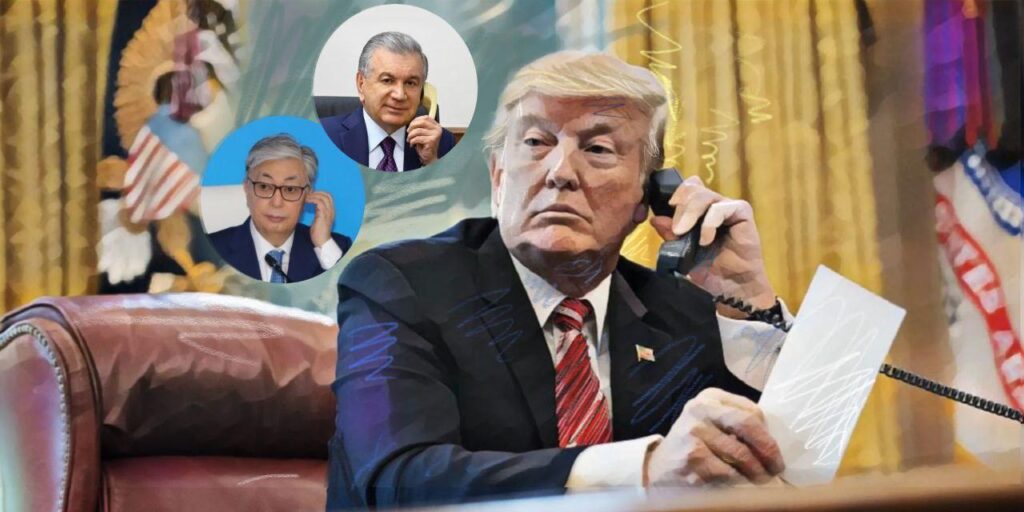
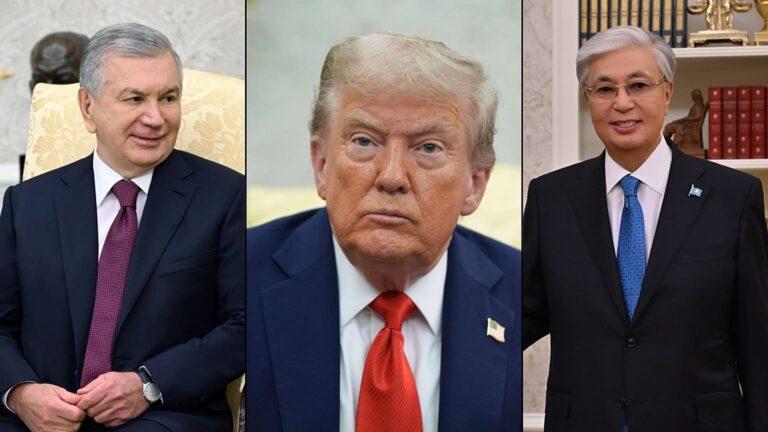
After Leaders’ Calls with Trump, Kazakhstan and Uzbekistan’s G20 Invitations Are a Signal to Central Asia

Reports of telephone conversations between the presidents of Kazakhstan and Uzbekistan with U.S. President Donald Trump came the day before a notable event on the international agenda. Trump has publicly announced his intention to invite the leaders of the two most influential Central Asian countries to the G20 summit, which the U.S. plans to hold in Miami in 2026. Despite the brevity of the official releases, they indicate not only the steady development of bilateral relations, but also a broader geopolitical signal. This statement has attracted increased interest from the international media, from the Los Angeles Times and Chicago Tribune to Agenzianova and Economic Times, which in itself highlights the increased attention to the Central Asia region. The report by Akorda, Tokayev’s press service, on the conversation between him and the U.S. president emphasizes that the conversation was “lengthy”. Tokayev noted the complexity of resolving the war in Ukraine, expressing his view that the territorial issue remains key and requires compromises, taking into account the real situation “on the ground.”  In this regard, Kazakhstan called on all parties to show patience and flexibility, stressing that it does not seek to act as a mediator but is ready to provide a platform for negotiations if necessary. It is noteworthy that the topic of peace talks is reflected in the Kazakh release but is absent from Trump's own statement. At the same time, the Akorda statement makes no mention of a possible invitation to Kazakhstan to attend the G20 summit. The situation is similar with the official statement from the administration of Shavkat Mirziyoyev. It focuses on the growth in political contacts, the launch of joint projects worth tens of billions of dollars, the creation of an American-Uzbek business and investment council, as well as the development of regional cooperation and the C5+1 format. However, possible participation in the G20 summit is also not mentioned. Meanwhile, Trump himself wrote directly on his social network Truth Social that the U.S. will host the G20 summit next year and intends to invite the presidents of Kazakhstan and Uzbekistan as guests. At this point, it appears to be only an intention, not a formal invitation. Nevertheless, even this signal indicates a noticeable shift in the priorities of U.S. foreign policy towards Central Asia. If Kazakhstan and Uzbekistan receive an official invitation (even as guests), this will be a de facto recognition of their role as “middle powers” in contemporary world politics. The context of what is happening also deserves attention. The telephone conversations with Trump took place immediately after an informal meeting of CIS leaders in St. Petersburg, an event that was more of a ritual in nature.  The last summit was notable for the conspicuous absence of the president of Azerbaijan, Ilham Aliyev, despite previously announced meetings in the Kremlin. Officially, Baku explained that this was due to Aliyev’s busy schedule. Although there is still considerable time before the G20 summit, preparations for it have already begun. In mid-December, the first meeting of G20 “sherpas” was held in Washington, featuring representatives of the...

Trump Signals G20 Invitation in Outreach to Kazakhstan and Uzbekistan

Recent telephone conversations between the presidents of Kazakhstan and Uzbekistan and United States President Donald Trump have generated significant international attention. Beyond routine diplomatic communication, the exchanges carry broader geopolitical implications for Central Asia. Trump has publicly stated his intention to invite the leaders of both countries to the G20 summit, which the United States will host in Miami in 2026. The announcement drew widespread international media coverage, highlighting growing global interest in the region. Official statements from Kazakhstan’s presidential office said that President Kassym-Jomart Tokayev held a lengthy conversation with Trump that covered a range of issues, including the conflict in Ukraine. Tokayev described the situation as complex, noting that territorial concerns remain central and require realistic compromises. He reiterated Kazakhstan’s readiness to offer a platform for negotiations, while clarifying that the country does not seek to act as a mediator. Notably, Kazakhstan’s official summary did not mention a potential G20 invitation, nor did the U.S. readout refer to peace talks. Uzbekistan’s statement likewise focused on strengthened political engagement, the launch of joint projects worth billions of dollars, the establishment of an American-Uzbek Business and Investment Council, and expanded regional cooperation, including within the C5+1 format, without explicitly mentioning the G20 summit Despite these omissions, Trump confirmed on his social network Truth Social that the U.S. plans to host the G20 next year and intends to invite the presidents of Kazakhstan and Uzbekistan as guests. At this stage, the announcement appears to be an expression of intent rather than a formal invitation. Nevertheless, the signal marks a notable shift in U.S. foreign policy priorities toward Central Asia. Even guest invitations for Kazakhstan and Uzbekistan would amount to recognition of their growing roles as “middle powers” in global affairs, giving them a rare platform to engage directly with the world’s leading economies. Regional Context and Broader Dynamics The timing of the calls is significant. They followed an informal meeting of Commonwealth of Independent States (CIS) leaders in St. Petersburg, an event observers characterized as largely ceremonial. The summit was marked by the conspicuous absence of Azerbaijan’s president, who cited scheduling conflicts for his nonattendance. Preparations for the 2026 G20 summit are already underway. In mid-December, the first meeting of G20 Sherpas was held in Washington, bringing together representatives from the world’s leading economies and international organizations. Poland was invited as the only full guest of the U.S. presidency for this meeting. The State Department outlined key priorities for the upcoming summit: stimulating economic growth, ensuring access to reliable and affordable energy, and advancing innovative technologies. While the G20 is a forum rather than a formal international organization, and its decisions are advisory and shaped by differing member interests, participation would still provide Kazakhstan and Uzbekistan with an influential platform. Direct engagement at this level would allow both countries to present their priorities on economic development and sustainable growth to a global audience.
