
• KGS/USD = 0.01144 0%
  • KZT/USD = 0.00214 0%
  • TJS/USD = 0.10562 0%
  • UZS/USD = 0.00008 0%
  • TMT/USD = 0.28530 0%
  • KGS/USD = 0.01144 0%
  • KZT/USD = 0.00214 0%
  • TJS/USD = 0.10562 0%
  • UZS/USD = 0.00008 0%
  • TMT/USD = 0.28530 0%
  • KGS/USD = 0.01144 0%
  • KZT/USD = 0.00214 0%
  • TJS/USD = 0.10562 0%
  • UZS/USD = 0.00008 0%
  • TMT/USD = 0.28530 0%
  • KGS/USD = 0.01144 0%
  • KZT/USD = 0.00214 0%
  • TJS/USD = 0.10562 0%
  • UZS/USD = 0.00008 0%
  • TMT/USD = 0.28530 0%
  • KGS/USD = 0.01144 0%
  • KZT/USD = 0.00214 0%
  • TJS/USD = 0.10562 0%
  • UZS/USD = 0.00008 0%
  • TMT/USD = 0.28530 0%
  • KGS/USD = 0.01144 0%
  • KZT/USD = 0.00214 0%
  • TJS/USD = 0.10562 0%
  • UZS/USD = 0.00008 0%
  • TMT/USD = 0.28530 0%
  • KGS/USD = 0.01144 0%
  • KZT/USD = 0.00214 0%
  • TJS/USD = 0.10562 0%
  • UZS/USD = 0.00008 0%
  • TMT/USD = 0.28530 0%
  • KGS/USD = 0.01144 0%
  • KZT/USD = 0.00214 0%
  • TJS/USD = 0.10562 0%
  • UZS/USD = 0.00008 0%
  • TMT/USD = 0.28530 0%

Viewing results 1 - 6 of 6

Kazakhstan Appoints Operator for Karachaganak Gas Processing Plant Construction

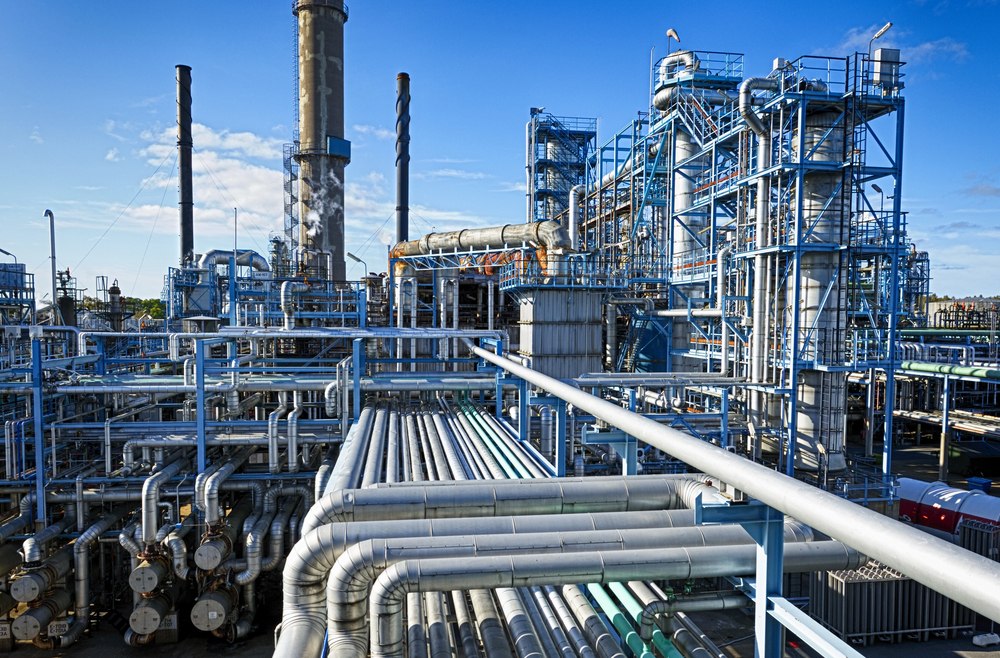
Kazakhstan has identified the participants in a project to construct a new gas processing plant (GPP) at the Karachaganak field, aimed at supplying the domestic market with commercial gas. The national company QazaqGaz will act as the single project operator, while China’s CITIC Construction has expressed readiness to participate. Initially, the launch of the GPP, with a capacity of up to 4 billion cubic meters of gas per year, was scheduled for 2028. Construction was to be carried out by Shell and Eni, both involved in developing the Karachaganak field in the West Kazakhstan region. However, in March 2026, Kazakhstan withdrew from this arrangement due to significant cost overruns and disagreements over implementation terms. At present, gas from Karachaganak is processed at the Orenburg GPP in Russia. Kazakhstan aims to relocate processing to its own territory to strengthen energy security and reduce dependence on external infrastructure, particularly amid periodic disruptions linked to drone attacks. According to current plans, the capacity of the future plant may be increased to 5 billion cubic meters per year. The project is a key element of Kazakhstan’s Comprehensive Gas Industry Development Plan through 2029 and is being implemented on the instructions of President Kassym-Jomart Tokayev. Minister of Energy Yerlan Akkenzhenov confirmed that the selection of QazaqGaz as the single operator is driven by the need to move quickly to the implementation stage and by the company’s experience in managing gas infrastructure. The project’s economic feasibility has been confirmed, and a framework agreement outlining basic principles of cooperation has been signed with CITIC Construction.  Preparations are currently underway for the FEED (Front-End Engineering Design) stage, while issues related to land allocation, infrastructure, and feedstock supply are also being addressed. Particular attention is being paid to negotiations with foreign shareholders in the Karachaganak project. Key issues include guaranteed supplies of raw gas, establishing a pricing mechanism that ensures domestic market viability, integrating the plant with existing field infrastructure (brownfield), and resolving the gas evacuation fee mechanism. “For Kazakhstan, this plant is of critical importance, and indefinitely postponing the project’s start is unacceptable. The state needs results. The project must be implemented dynamically and in strict accordance with our national economic interests,” Akkenzhenov said. The project is unfolding against the backdrop of legal disputes between Kazakhstan and international energy companies.  As previously reported by The Times of Central Asia, Shell and Eni may ultimately be required to pay the Kazakh government between $2 billion and $4 billion following international arbitration proceedings in London. In addition, similar disputes are ongoing over another major project, the Kashagan field, where proceedings are being considered at the International Centre for Settlement of Investment Disputes in Washington.

Turkmenistan and CNPC Sign Deal on New Phase of Galkynysh Gas Field Development

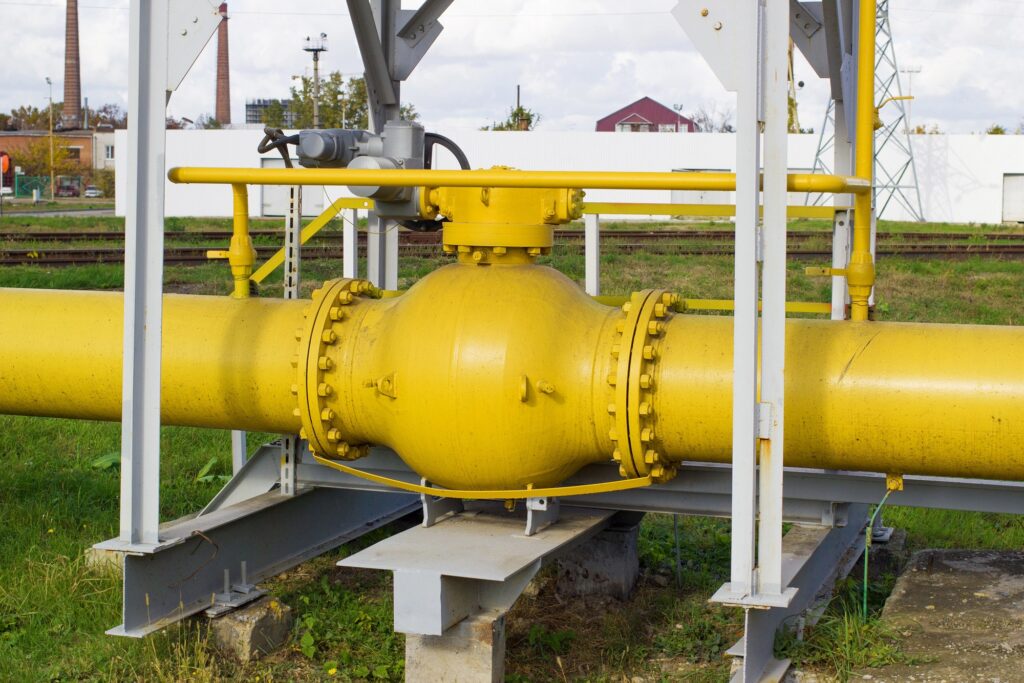
Turkmenistan has signed a new agreement with China National Petroleum Corporation (CNPC) to advance the fourth phase of development at the Galkynysh gas field, one of the largest gas deposits in the world.  According to the state news agency TDH, CNPC will design and construct production facilities on a turnkey basis, including gas wells and infrastructure capable of processing up to 10 billion cubic meters of marketable gas annually. The agreement follows a presidential decree authorizing the state concern Turkmengaz to conclude a contract with CNPC’s subsidiary, CNPC Amudarya Petroleum Company Ltd. The document provides for the construction of gas treatment facilities and the drilling of a sufficient number of production wells to maintain the planned output level. According to reports by industry publication Nebit-Gaz, work on the fourth phase was expected to begin in early 2026. The overall development plan for the Galkynysh field is divided into seven phases. Information published on the Turkmengaz website, citing the international conference “Oil and Gas of Turkmenistan, 2025,” indicates that the first phase has already been completed and is operational. It includes three gas processing plants with a combined annual capacity of 30 billion cubic meters. Turkmenistan possesses the world’s fourth-largest proven reserves of natural gas, yet its export routes remain limited. The majority of gas exports, estimated at between 80% and 90%, are directed eastward through the Central Asia-China pipeline network, often referred to as the Turkmenistan-China corridor. This has resulted in a high degree of dependence on a single export destination. Efforts to diversify export routes have encountered persistent challenges. Proposed projects involving increased deliveries through Iran, trans-Caspian connections via Azerbaijan, or pipeline routes toward South Asia have been constrained by infrastructure limitations, financing issues, and geopolitical factors.  Analysts also note that delays in engaging with initiatives such as the European Union’s Southern Gas Corridor in the early 2000s reduced opportunities to expand Turkmenistan’s export geography.