

• KGS/USD = 0.01144 0%
  • KZT/USD = 0.00208 0%
  • TJS/USD = 0.10440 -0.19%
  • UZS/USD = 0.00008 0%
  • TMT/USD = 0.28571 0.28%
  • KGS/USD = 0.01144 0%
  • KZT/USD = 0.00208 0%
  • TJS/USD = 0.10440 -0.19%
  • UZS/USD = 0.00008 0%
  • TMT/USD = 0.28571 0.28%
  • KGS/USD = 0.01144 0%
  • KZT/USD = 0.00208 0%
  • TJS/USD = 0.10440 -0.19%
  • UZS/USD = 0.00008 0%
  • TMT/USD = 0.28571 0.28%
  • KGS/USD = 0.01144 0%
  • KZT/USD = 0.00208 0%
  • TJS/USD = 0.10440 -0.19%
  • UZS/USD = 0.00008 0%
  • TMT/USD = 0.28571 0.28%
  • KGS/USD = 0.01144 0%
  • KZT/USD = 0.00208 0%
  • TJS/USD = 0.10440 -0.19%
  • UZS/USD = 0.00008 0%
  • TMT/USD = 0.28571 0.28%
  • KGS/USD = 0.01144 0%
  • KZT/USD = 0.00208 0%
  • TJS/USD = 0.10440 -0.19%
  • UZS/USD = 0.00008 0%
  • TMT/USD = 0.28571 0.28%
  • KGS/USD = 0.01144 0%
  • KZT/USD = 0.00208 0%
  • TJS/USD = 0.10440 -0.19%
  • UZS/USD = 0.00008 0%
  • TMT/USD = 0.28571 0.28%
  • KGS/USD = 0.01144 0%
  • KZT/USD = 0.00208 0%
  • TJS/USD = 0.10440 -0.19%
  • UZS/USD = 0.00008 0%
  • TMT/USD = 0.28571 0.28%

Viewing results 1 - 6 of 20

Russia Looking to Export Gas to China via Kazakhstan

Russia continues to try to reorient its natural gas exports from Europe to Asia and is planning a new pipeline route to China that would pass through Kazakhstan. Kazakhstan stands to benefit not only from transit fees, but could also import some Russia gas for regions in northeastern Kazakhstan that are desperately in need of more energy sources. The Russian plans are bad news for Turkmenistan as China is Turkmenistan’s main gas customer and Turkmen authorities were hoping to sell China even more gas. On November 15, Russian Deputy Prime Minister Aleksandr Novak mentioned the pipeline plan on the sidelines of a Chinese-Russian forum in Kazan, Russia. Novak said such a project is still only being discussed, but Russian media outlet Kommersant wrote on November 18 that there are already three options for the pipeline. All three possibilities pass though northeastern Kazakhstan, but Kazakhstan’s level of participation in the pipeline is different in each variation. One of the projects would require Kazakhstan to build a pipeline for gasification of the northeastern Pavlodar, Abai, and Karaganda provinces. A second proposal would include only the Abai and Zhetysu provinces. Russian gas giant Gazprom’s financial obligation also changes depending on the pipeline project selected. The most expensive option for Gazprom would cost more than $10 billion to construct and would not operate at full capacity until 2034. All versions foresee at least 35 billion cubic meters of Russian gas (bcm) shipped via the pipeline with Kazakhstan receiving some 10 bcm, which would greatly alleviate recent power shortages in northeastern Kazakhstan. Despite Novak saying the pipeline project was only being discussed, Kazakhstan and Russia appear well along in their planning. In early May, Kazakh Ambassador to Russia Duaren Abayev gave an interview to Russia’s TASS news agency and mentioned there was a “roadmap” for supplying 35 bcm of gas to China via Kazakhstan. Russia already exports gas to China via the “Sila Sibiri” (Power of Siberia) pipeline and expects that in 2024 the pipeline will for the first time reach its full capacity of 38 bcm. Construction of Sila Sibiri-2 with a planned capacity of some 50 bcm has been delayed due to China’s reluctance to loan Russia money for construction, differences over price, and China’s increasing purchases of liquefied natural gas (LNG). Novak commented on Sila Sibiri-2, saying the pipeline project involving Kazakhstan was separate and the Russian government will continue to negotiate with China about construction of Sila Sibiri-2. Russia is seeking to replace its former main customer, the European Union. Prior to the Kremlin launching its full-scale war on Ukraine in February 2022, the EU was buying between 150-160 bcm of Russian gas annually. The EU sharply cut back on Russian gas imports in response to the invasion of Ukraine and in 2023 imported less than 43 bcm. Russia’s pivot to Asia for gas exports targets the Chinese market, but Gazprom is looking to take any possible Asian customers and has found some in Central Asia. Russia’s surge into the Asian...
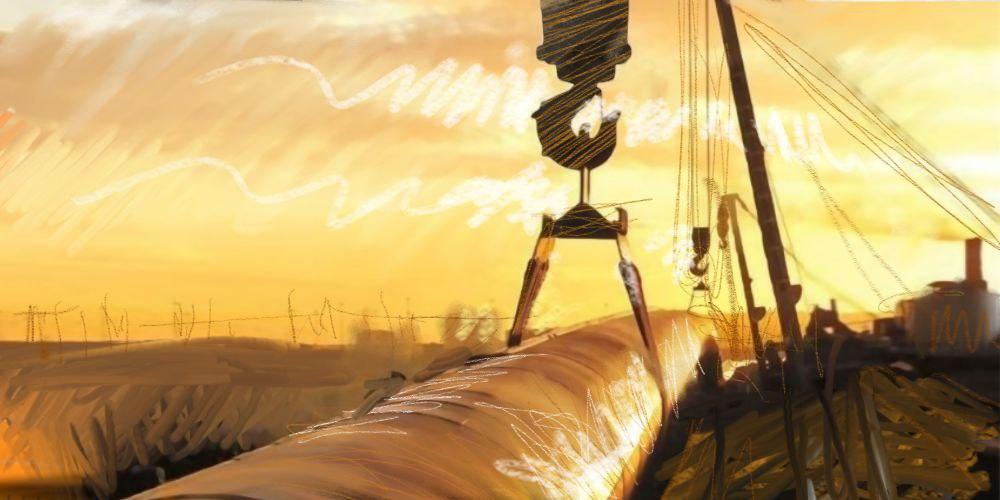

After Long Search, Turkmenistan Finally Finds a New Gas Customer – Iraq

Turkmenistan is reconfiguring its natural gas export options. Despite holding the world’s fourth largest gas reserves, Turkmenistan is exporting less of its gas today than it was 16 years ago. The big gas pipeline projects conceived nearly 30 years ago – a trans-Afghan pipeline to supply gas to Pakistan and India and a trans-Caspian pipeline to send gas to Europe - remain unfeasible for political reasons. Russia has been a leading customer for Turkmen gas for most of those three decades, but now Russia is competing for some of the same buyers as Turkmenistan. Stymied in its search for new markets at seemingly every turn, Turkmenistan is now planning on selling gas to Iraq, via a swap arrangement with Iran that includes bring Iranian companies to Turkmenistan to construct a new pipeline.   Running Out of Options Turkmenistan is always looking for new gas customers. Iraq was never a potential gas buyer until recently, and in fact, the defunct Nabucco gas pipeline project of some 15 years ago considered Iraq to be a possible supplier of gas for Europe. Turkmenistan’s deal with Iraq appears to be the only deal possible at the moment, and it is an interesting arrangement. The two countries are not connected by any pipelines, so Turkmenistan will ship up to 10 bcm of gas to Iran, and Iran will send 10 bcm of its gas to Iraq. Turkmenistan signed what was described as a “binding agreement” for gas shipments after Iraq agreed to “an advance payment scheme and tax concessions.” In recent years, about 40% of Iraq’s gas imports came from Iran. After some 20 years of conflict, Iraq’s gas industry is still recovering, and gas imports are needed to operate the country’s power plants. However, sanctions on Iran made it difficult for Iraq to make payments for that gas.   A Rocky Gas History There are already two gas pipelines connecting Turkmenistan’s gas fields to northern Iran. At the end of December 1997, the 200-kilometer Korpeje-Kurdkui pipeline with a capacity of some 8 bcm of gas was launched. In January 2010, the Dauletabad-Sarakhs-Khangiran pipeline with a capacity of some 12 bcm started operation. Turkmenistan was never close to shipping the 20 bcm combined capacity. Exports ranged from 6-8 bcm annually for years. Iran usually paid for its Turkmen gas in barter, sending a variety of goods, from food to engineering goods and services to Turkmenistan. In late 2016, a dispute developed between Turkmenistan and Iran over gas. Turkmenistan claimed Iran owed some $2 billion for gas supplies received in the winter of 2007-2008. Iran responded that Turkmenistan was inflating the price. The winter of 2007-2008 was especially cold causing severe gas shortages in 20 Iranian provinces. One Iranian media outlet reported on December 31, 2016, “Turkmenistan pounced on the occasion to demand a nine-fold hike which yanked the price up to $360 from $40 for every 1,000 cubic meters of gas.” On January 1, 2017, Turkmenistan halted gas supplies to Iran. The two countries took their...