

• KGS/USD = 0.01143 0%
  • KZT/USD = 0.00211 0%
  • TJS/USD = 0.10793 0.09%
  • UZS/USD = 0.00008 0%
  • TMT/USD = 0.28571 0%
  • KGS/USD = 0.01143 0%
  • KZT/USD = 0.00211 0%
  • TJS/USD = 0.10793 0.09%
  • UZS/USD = 0.00008 0%
  • TMT/USD = 0.28571 0%
  • KGS/USD = 0.01143 0%
  • KZT/USD = 0.00211 0%
  • TJS/USD = 0.10793 0.09%
  • UZS/USD = 0.00008 0%
  • TMT/USD = 0.28571 0%
  • KGS/USD = 0.01143 0%
  • KZT/USD = 0.00211 0%
  • TJS/USD = 0.10793 0.09%
  • UZS/USD = 0.00008 0%
  • TMT/USD = 0.28571 0%
  • KGS/USD = 0.01143 0%
  • KZT/USD = 0.00211 0%
  • TJS/USD = 0.10793 0.09%
  • UZS/USD = 0.00008 0%
  • TMT/USD = 0.28571 0%
  • KGS/USD = 0.01143 0%
  • KZT/USD = 0.00211 0%
  • TJS/USD = 0.10793 0.09%
  • UZS/USD = 0.00008 0%
  • TMT/USD = 0.28571 0%
  • KGS/USD = 0.01143 0%
  • KZT/USD = 0.00211 0%
  • TJS/USD = 0.10793 0.09%
  • UZS/USD = 0.00008 0%
  • TMT/USD = 0.28571 0%
  • KGS/USD = 0.01143 0%
  • KZT/USD = 0.00211 0%
  • TJS/USD = 0.10793 0.09%
  • UZS/USD = 0.00008 0%
  • TMT/USD = 0.28571 0%

Viewing results 1 - 6 of 2

Russian Gas Exports to Uzbekistan Rise as Domestic Production Continues to Fall

Russian gas deliveries to Uzbekistan increased by 15% in 2025, reaching nearly 6.5 billion cubic meters, according to Gazprom’s annual report, as reported by TASS. The report shows that supplies rose from 5.64 billion cubic meters in 2024 to 6.48 billion cubic meters in 2025. Gas was delivered through Kazakhstan using the Central Asia-Center pipeline system in reverse-flow mode. Gazprom said exports to Uzbekistan increased throughout the year, with deliveries in the fourth quarter reaching the maximum technical capacity of the route. The company also reported a 22.2% increase in overall gas exports to Kazakhstan, Uzbekistan, and Kyrgyzstan in 2025. The growth in Russian supplies comes as Uzbekistan faces declining domestic gas production. Earlier this year, The Times of Central Asia reported that the country’s natural gas output fell by 15% in the first quarter of 2026. According to Uzbekistan’s National Statistics Committee, the country produced 9.6 billion cubic meters of natural gas between January and March, compared with 11.3 billion cubic meters during the same period a year earlier. Production declines were also recorded in other energy sectors, including oil, coal, and gas condensate. Uzbekistan began importing Russian gas under a contract signed with Gazprom in June 2023. Deliveries started in October of that year as the country sought additional supplies to meet growing domestic demand, particularly during the winter season. In October 2025, the Russian government said Gazprom was continuing to implement a contract providing for annual gas supplies of up to 7.7 billion cubic meters to Uzbekistan. Officials also noted the potential for further increases in export volumes. Energy cooperation between the two countries has expanded in recent years. In 2024, Gazprom signed agreements with Kazakhstan on the transit of Russian gas to Uzbekistan and Kyrgyzstan for the period from 2025 to 2040. The same year, Uzbekistan announced plans to modernize its gas transmission network and raise its capacity for Russian gas imports from 9 million cubic meters to 32 million cubic meters per day.

Transit of Russian Gas to Uzbekistan Through Kazakhstan Continues to Grow

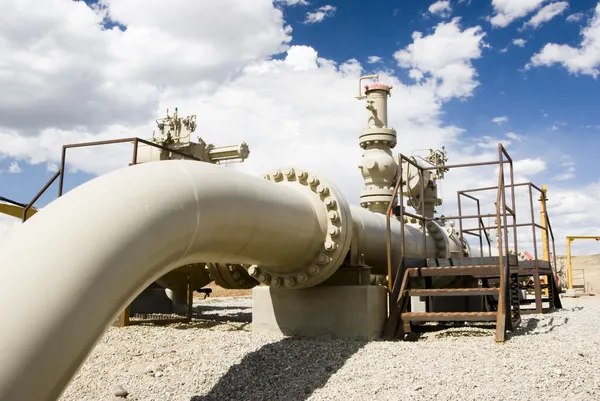
The volume of Russian natural gas transiting through Kazakhstan to Uzbekistan is on the rise, reflecting deepening regional energy cooperation. Kazakhstan’s Deputy Minister of Energy, Alibek Zhamauov, shared the update during a speech at the international Energy Trends forum, according to Interfax. Gas transit to Uzbekistan via Kazakhstan began in October 2023. In 2024, 5.6 billion cubic meters of Russian gas were delivered through Kazakhstan, surpassing earlier forecasts of 3.8 billion cubic meters. The volume is projected to increase to 7.3 billion cubic meters in 2025, with further plans to reach 11 billion cubic meters per year starting in 2026. The growing volumes highlight Kazakhstan’s emerging role as a vital transit hub for Central Asia. In 2023, the initial year of operation, 1.28 billion cubic meters of gas were transported along this route. Zhamauov stated that the project is part of a broader strategy to enhance regional energy security and develop cross-border gas infrastructure. Kazakhstan’s Ministry of Energy has committed to expanding and upgrading the country’s gas transportation network to accommodate long-term supply agreements with neighboring states. Uzbekistan’s Production Decline Raises Concerns The rising reliance on imported gas comes amid a continued decline in Uzbekistan’s domestic natural gas production. In the first two months of 2025, output fell by 4.2% compared to the same period in 2024. This trend follows a steep drop in production from 61.59 billion cubic meters in 2018 to 44.59 billion in 2024. The shrinking output has sparked concerns over Uzbekistan’s energy security and its broader economic implications. The country’s increasing dependence on regional gas flows highlights the strategic importance of projects like the Russia-Kazakhstan-Uzbekistan transit corridor.