Kazakhstan Faces Landmark Constitutional Referendum
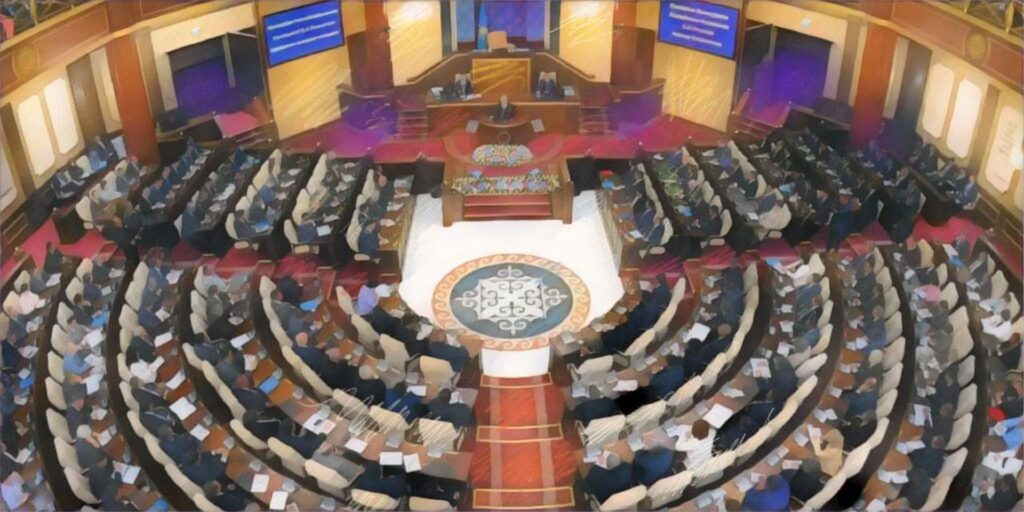
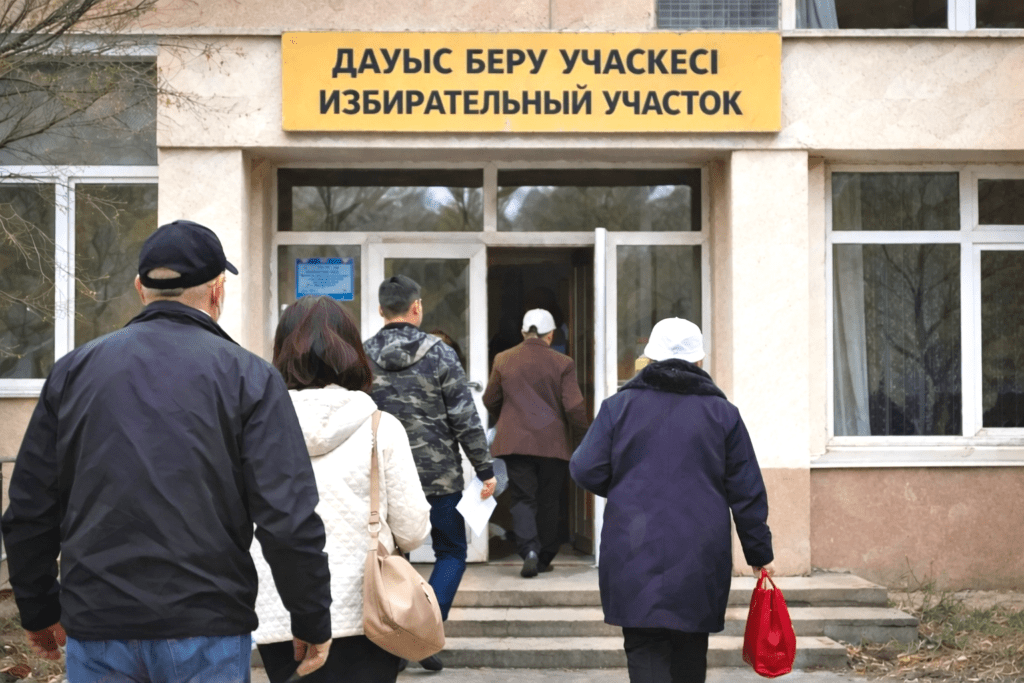
On March 15, citizens will vote in a nationwide referendum on sweeping constitutional amendments that could significantly reshape Kazakhstan’s political system. Kazakhstan’s Constitution has undergone periodic revision since independence, with changes adopted in 1998, 2007, 2011, 2017, 2019, and most recently in 2022, when 56 amendments to the basic law were approved in a national referendum. According to official statements, the proposed draft would affect about 84% of the Constitution, making it the most extensive revision in the country’s modern history. President Kassym-Jomart Tokayev has described the proposed document as “essentially a new Constitution.” At the same time, the draft retains several core principles. Kazakhstan would continue to be defined as a secular, democratic, unitary state, with the people recognized as the sole source of state power. Attempts to overthrow the constitutional order would remain punishable by law. The draft also proposes the creation of a new representative body, the Kurultai, which would replace the current bicameral parliament, consisting of the Mazhilis (lower house) and the Senate (upper house), with a unicameral legislature. The scale of the proposed reforms has generated significant public attention. The draft Constitution has been widely debated, and the referendum campaign has been accompanied by a large-scale public information effort. Supporters argue that the changes could streamline governance and modernize political institutions, while critics have raised concerns about the concentration of authority and the pace of reform. Rights and Freedoms The current Constitution states that human rights and freedoms must not infringe on the rights of others, the constitutional order, or public morality. The new draft expands this provision, specifying that the exercise of rights and freedoms must not violate the rights or restrict the freedoms of other individuals, undermine the constitutional order, disrupt public order, threaten public health, or contradict societal morality. The document continues to guarantee freedom of speech and prohibit censorship, stating, “Freedom of speech and scientific, technical, and artistic creativity is guaranteed.” It also introduces an additional clause stipulating that the dissemination of information must not infringe upon the honor and dignity of others, public health, or public order. The list of prohibited forms of propaganda is also broadened. It includes advocacy for violent changes to the constitutional order, violations of territorial integrity and sovereignty, threats to national security, incitement to war or armed conflict, and the promotion of social, racial, national, ethnic, or religious superiority or discord, as well as the glorification of cruelty and violence. Supporters of the draft say these provisions are intended to strengthen social stability and national security. However, some observers note that broader restrictions linked to public order or morality may raise questions about how such norms would be interpreted and applied in practice. In family law, the draft specifies that marriage is defined as a voluntary and equal union between a man and a woman, registered by the state in accordance with the law. President and Vice President Proposed changes to the structure of executive power have been among the most widely discussed aspects of the...