
• KGS/USD = 0.01144 0%
  • KZT/USD = 0.00216 0%
  • TJS/USD = 0.10585 -0.28%
  • UZS/USD = 0.00008 0%
  • TMT/USD = 0.28530 0%
  • KGS/USD = 0.01144 0%
  • KZT/USD = 0.00216 0%
  • TJS/USD = 0.10585 -0.28%
  • UZS/USD = 0.00008 0%
  • TMT/USD = 0.28530 0%
  • KGS/USD = 0.01144 0%
  • KZT/USD = 0.00216 0%
  • TJS/USD = 0.10585 -0.28%
  • UZS/USD = 0.00008 0%
  • TMT/USD = 0.28530 0%
  • KGS/USD = 0.01144 0%
  • KZT/USD = 0.00216 0%
  • TJS/USD = 0.10585 -0.28%
  • UZS/USD = 0.00008 0%
  • TMT/USD = 0.28530 0%
  • KGS/USD = 0.01144 0%
  • KZT/USD = 0.00216 0%
  • TJS/USD = 0.10585 -0.28%
  • UZS/USD = 0.00008 0%
  • TMT/USD = 0.28530 0%
  • KGS/USD = 0.01144 0%
  • KZT/USD = 0.00216 0%
  • TJS/USD = 0.10585 -0.28%
  • UZS/USD = 0.00008 0%
  • TMT/USD = 0.28530 0%
  • KGS/USD = 0.01144 0%
  • KZT/USD = 0.00216 0%
  • TJS/USD = 0.10585 -0.28%
  • UZS/USD = 0.00008 0%
  • TMT/USD = 0.28530 0%
  • KGS/USD = 0.01144 0%
  • KZT/USD = 0.00216 0%
  • TJS/USD = 0.10585 -0.28%
  • UZS/USD = 0.00008 0%
  • TMT/USD = 0.28530 0%

Viewing results 1 - 6 of 4

Kazakhstan Labor Migration Report Shows Most Citizens Working in Russia

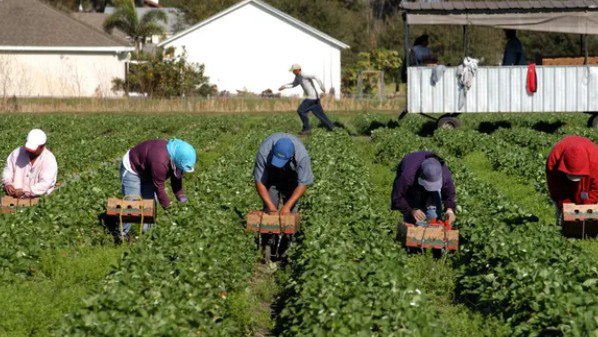
The Ministry of Labor and Social Protection has released updated data on the number of Kazakh citizens working abroad. According to the ministry, 126,000 citizens are currently employed outside the country, which has a population of more than 20 million. The vast majority, over 80%, have found work in neighboring Russia. The figures were shared by First Deputy Minister of Labor and Social Protection Askarbek Yertayev during a briefing with journalists on the sidelines of a Senate meeting. Of the 126,000 citizens working abroad, 102,000 are employed in Russia, 15,000 in South Korea, and approximately 2,000 in the United Kingdom and European Union member states. Yertayev noted that Kazakhstan has yet to finalize bilateral labor agreements with all countries where its citizens are working. “In particular, an agreement with South Korea is still under discussion, we have been negotiating for two years. Talks were paused due to the domestic political situation there,” Yertayev said, referring to the ongoing standoff between South Korean President Yoon Suk Yeol and the country’s parliament. “Negotiations resumed this fall, and we plan to continue them, as 11,000 of the 15,000 Kazakh citizens in South Korea are working illegally. Measures must be taken, but the Korean side has several conditions, including that Kazakhstan address the issue of its undocumented migrants,” he added. Seoul has requested a “road map” from Kazakhstan to address the problem of illegal labor migration. The document is expected to include mechanisms to prevent undocumented employment. Yertayev expressed confidence that an agreement would be reached before the end of the year. He noted that legal employment in South Korea would allow Kazakh workers to access higher wages and social protections, including healthcare and insurance. “Currently, our citizens in South Korea who are working illegally cannot even send their earnings back home: banks refuse to process the transfers, forcing them to rely on informal channels, which often leads to fraud,” the deputy minister said. As previously reported by The Times of Central Asia, Kazakh authorities have also intensified domestic efforts to formalize the labor market by cracking down on employers who pay “gray” wages, off-the-books income that evades taxes and social contributions.


Kazakhstan to Implement Artificial Intelligence in Social Assistance System

The Ministry of Labor and Social Protection of Kazakhstan is preparing to introduce artificial intelligence (AI) to improve the allocation of Targeted Social Assistance (TSA). TSA is a cash benefit for low-income citizens whose earnings fall below 35% of the national average. The assistance can be permanent for individuals with disabilities or conditional for able-bodied citizens who are temporarily unemployed but enrolled in retraining programs. The amount is determined as the difference between a family’s per capita income and the regional poverty line. The ministry now plans to automate the eligibility assessment process using AI technologies. “Today, we are training an AI model using the Random Forest Classifier, one of the most effective machine learning algorithms. It allows for more accurate and consistent results by analyzing multiple factors,” said Vice Minister of Labor and Social Protection Olzhas Anafin. “The model has undergone comprehensive validation and demonstrated over 90% accuracy, confirming its readiness for implementation.” The system will soon launch in pilot mode to handle new TSA applications. During the initial phase, AI-generated decisions will serve as recommendations for local executive bodies, with the possibility of becoming an official eligibility criterion in the future. In the second stage, the ministry plans to enhance the model’s capabilities by applying computer vision technologies to analyze visual data, including photographs and videos submitted with applications. According to ministry experts, this approach will enhance the objectivity of assessments regarding applicants’ living conditions and overall well-being. The resulting data will be used to further train the model. In the project’s third phase, the AI will assist in developing personalized support plans to help families move out of vulnerable circumstances. President Kassym-Jomart Tokayev has previously criticized the country’s social policy, stating that for over 15 years, the government “encouraged social dependency and social fraud” instead of pursuing rational reforms. As previously reported by The Times of Central Asia, the Ministry of Labor has also drafted legislation aimed at eliminating the widespread use of “gray” salaries, undeclared wages. Approximately 30% of Kazakhstan’s working population is estimated to fall outside the Unified Accumulative Pension Fund (UAPF) due to this practice.