Uzbekistan Moves Forward with $6 Billion Biofuel Project in Khorezm
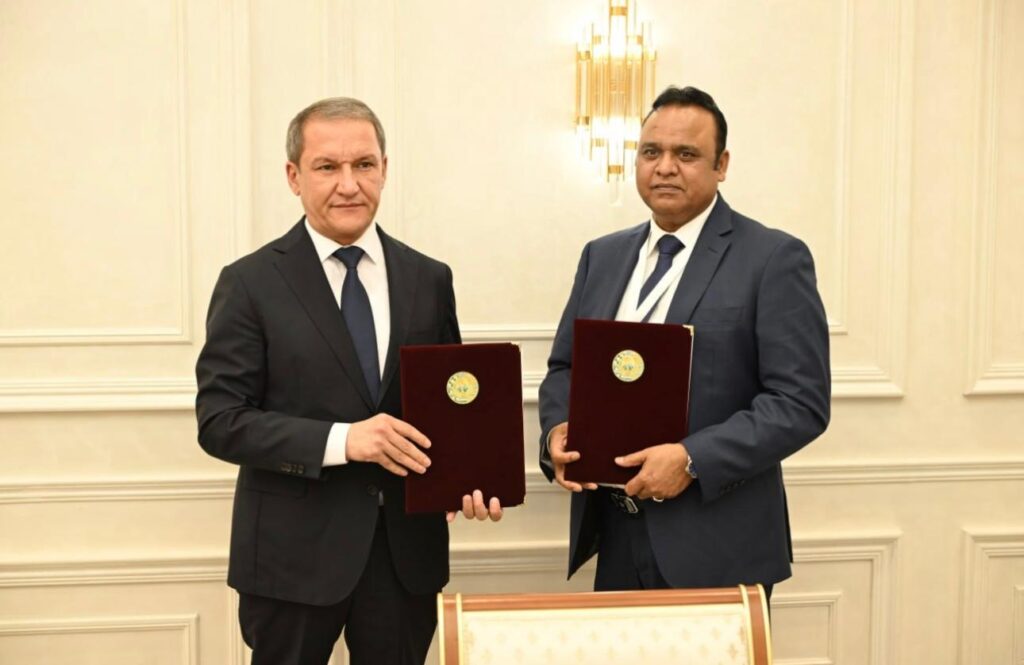
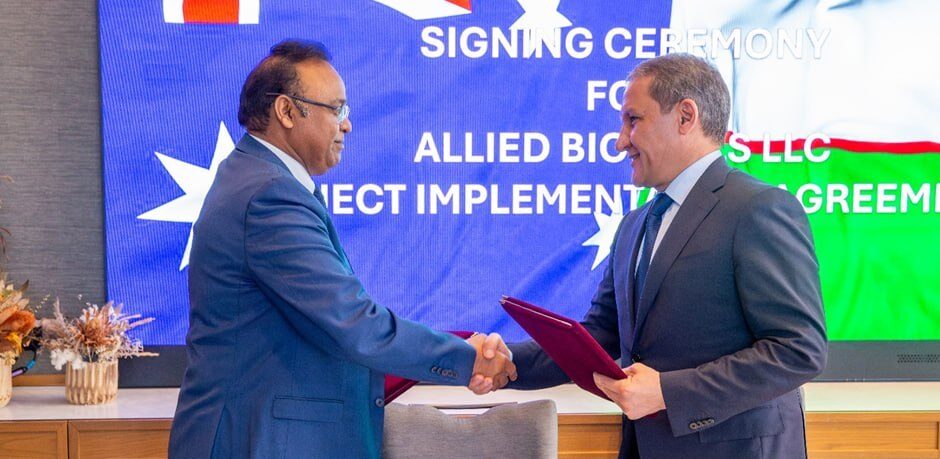
Uzbekistan has announced a major step toward developing large-scale clean energy infrastructure with the signing of a binding implementation agreement for a $6.08 billion biofuel project in the Khorezm region. The Project Implementation Agreement (PIA) was signed between Allied Biofuels FE LLC and the regional government of Khorezm, formalizing plans to build what the developers describe as Central Asia’s first integrated biofuel refinery. The agreement was concluded on April 2 in Perth, Australia, by Khorezm regional governor Jurabek Rakhimov and Alfred Benedict, chairman and general director of Allied Biofuels. According to Allied Biofuels, the project has been granted special economic zone status under a presidential decree, providing tax exemptions and customs incentives aimed at ensuring long-term financial stability and investor confidence. Once completed, the facility is expected to produce sustainable aviation fuel (SAF), electro-synthetic SAF (e-SAF), and green diesel at an industrial scale. Annual output is projected to reach approximately 160,400 tonnes of SAF, 257,000 tonnes of e-SAF, and 5,040 tonnes of green diesel. The refinery will be supported by a large renewable energy system, including battery storage and hydrogen production capacity. The project also incorporates a closed-loop model that converts biogenic carbon dioxide into fuel while using agricultural feedstock as a primary input. Officials say the initiative is designed not only to produce fuel but also to strengthen industrial capacity and introduce advanced technologies. The construction phase alone is expected to generate around 2,000 direct and indirect jobs. Speaking at the signing, Rakhimov said the project would help build a “high value-added industrial chain” in the region and expand export potential. He added that cooperation with Allied Biofuels would support the transfer of advanced green technologies and position Khorezm as “an emerging international hub for green industry.” Benedict described the agreement as “a defining moment” for both the company and the broader clean energy sector. “This project sends an unambiguous message to the global investment community, Uzbekistan is not merely open for business; it is ready to lead,” he said. The project is being developed in partnership with international technology providers, including hydrogen systems supplied by Plug Power. Advisory support for the transaction was provided by Affinity Capital Group.