• KGS/USD = 0.01143 0%
  • KZT/USD = 0.00216 0%
  • TJS/USD = 0.10633 -0.28%
  • UZS/USD = 0.00008 0%
  • TMT/USD = 0.28571 0%
  • KGS/USD = 0.01143 0%
  • KZT/USD = 0.00216 0%
  • TJS/USD = 0.10633 -0.28%
  • UZS/USD = 0.00008 0%
  • TMT/USD = 0.28571 0%
  • KGS/USD = 0.01143 0%
  • KZT/USD = 0.00216 0%
  • TJS/USD = 0.10633 -0.28%
  • UZS/USD = 0.00008 0%
  • TMT/USD = 0.28571 0%
  • KGS/USD = 0.01143 0%
  • KZT/USD = 0.00216 0%
  • TJS/USD = 0.10633 -0.28%
  • UZS/USD = 0.00008 0%
  • TMT/USD = 0.28571 0%
  • KGS/USD = 0.01143 0%
  • KZT/USD = 0.00216 0%
  • TJS/USD = 0.10633 -0.28%
  • UZS/USD = 0.00008 0%
  • TMT/USD = 0.28571 0%
  • KGS/USD = 0.01143 0%
  • KZT/USD = 0.00216 0%
  • TJS/USD = 0.10633 -0.28%
  • UZS/USD = 0.00008 0%
  • TMT/USD = 0.28571 0%
  • KGS/USD = 0.01143 0%
  • KZT/USD = 0.00216 0%
  • TJS/USD = 0.10633 -0.28%
  • UZS/USD = 0.00008 0%
  • TMT/USD = 0.28571 0%
  • KGS/USD = 0.01143 0%
  • KZT/USD = 0.00216 0%
  • TJS/USD = 0.10633 -0.28%
  • UZS/USD = 0.00008 0%
  • TMT/USD = 0.28571 0%

Viewing results 1 - 6 of 124

Varesh Airlines to Resume Some Tajikistan Flights during Uneasy Ceasefire

Iranian carrier Varesh Airlines says it will resume flights between the Iranian city of Mashhad and Dushanbe, Tajikistan´s capital, on Friday. The planned resumption reflects a partial easing of tensions during a ceasefire between Iran and the United States, though uncertainty remains over any plans for peace talks as well as the prospects for safe shipping in the contested Strait of Hormuz. Mashhad is a northeastern Iranian city near the border with Turkmenistan and a significant hub for trade with Central Asia, which has been disrupted by the Mideast fighting in the past weeks. The city is about 850 kilometers from Dushanbe. “Mashhad - Dushanbe - Mashhad flights will operate from Friday, April 24,” Varesh Airlines said on Instagram. It announced similar plans to reopen the route between Tehran and Muscat, Oman. The Iranian carrier also suspended flights during regional fighting last year. Somon Air, a Tajikistan-based carrier, had said it was increasing the frequency of flights between Dushanbe and Tehran starting early last year. But it also had to suspend Iran flights last month because of the war.

Pilots for Turkmenistan Airlines to Be Trained in Turkey

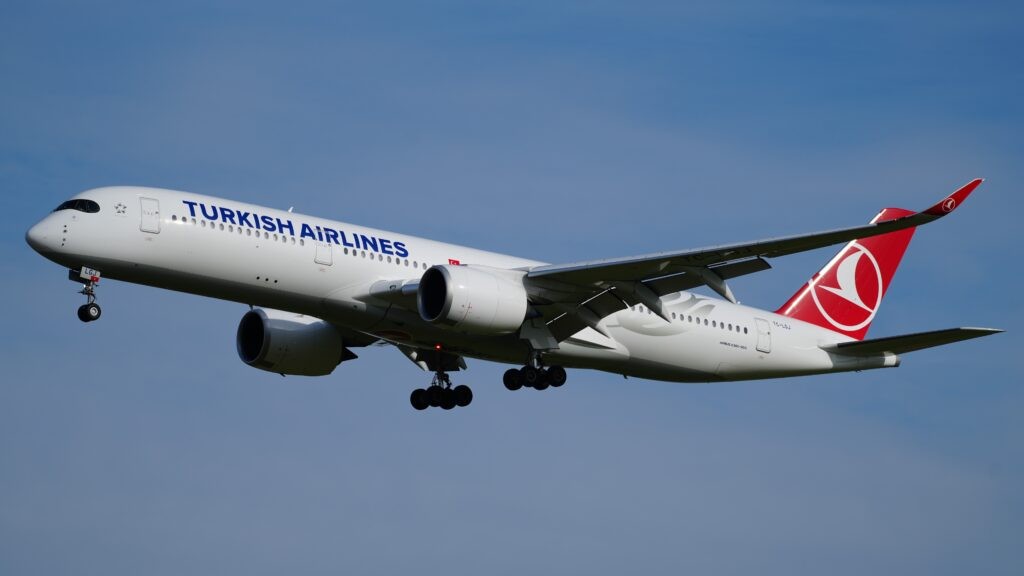
Turkmenistan Airlines has announced a recruitment campaign for candidates to study aviation at the Turkish Aeronautical Association University. The four-year program will be funded by the airline. Selection will be conducted on a competitive basis. Applicants must be male, under the age of 25, hold Turkmen citizenship, and have completed secondary education. Additional requirements include passing a medical examination at the Ashgabat Airport Medical Center and holding a valid military ID. The admission process consists of several stages. Candidates first undergo an initial interview with airline representatives, followed by entrance exams and an interview with representatives of the Turkish university. In the final stage, applicants must pass a medical examination in Ankara. The airline will cover tuition fees, dormitory accommodation, and travel costs, including flights to Ankara at the start of the academic year and return travel to Ashgabat upon completion of the program. However, students will be responsible for certain expenses, including visa fees, health insurance, meals, communication, and local transportation. Upon graduation, participants are required to work for the airline for ten years. Limited Progress in Air Connectivity Despite this initiative, Turkmenistan’s broader aviation sector continues to face challenges. No new international routes have been launched, and several previously announced flights have yet to begin operations. Plans to expand the country’s international air connectivity have been discussed for years, but tangible progress remains limited.

Kazakhstan’s SCAT Airlines Adds Two Boeing 737 MAX 8 Aircraft

Kazakhstan-based SCAT Airlines has taken delivery of two new Boeing 737 MAX 8 aircraft. The planes were delivered directly from Boeing’s facility in Seattle, marking the first time the carrier has added two aircraft of this type to its fleet simultaneously. The fleet expansion is linked to the growth of the airline’s route network and the strengthening of existing flight programs. In 2026, SCAT launched new routes from Shymkent to Karaganda, Kostanay, Bishkek, Novosibirsk, St. Petersburg, and Tyumen, as well as a direct service from Astana to Ulaanbaatar. The new aircraft will support the development of a hub at Shymkent Airport, which is emerging as a key node in the airline’s network. “It is important for SCAT that the new aircraft will be used to develop the hub in Shymkent and expand the route network,” said company president Vladimir Denisov. The airline’s fleet currently consists of approximately 40 aircraft. In September 2025, the carrier received another Boeing 737 MAX 8, bringing the total number of aircraft of this type in its fleet to eleven. SCAT Airlines was founded in 1997. The company’s structure includes Aulie-Ata International Airport in Taraz, a 70% stake in Yuzhnoye Nebo Airlines, and a 40% stake in the Egyptian carrier Red Sea Airlines. The Times of Central Asia previously reported that SCAT Airlines, in partnership with Boeing, had begun construction of a new maintenance center in Shymkent. The facility will specialize in servicing Boeing aircraft, including the Boeing 737 (Classic, NG, and MAX), Boeing 757 and Boeing 767, as well as the wide-body Boeing 777. During a working visit to the United States, President Kassym-Jomart Tokayev met with Boeing executives. He noted that airlines including Air Astana, SCAT, and Vietjet Qazaqstan are interested in expanding joint projects that are important for the development of Kazakhstan’s aviation industry.

Uzbekistan Becomes Top International Destination for Russian Airlines

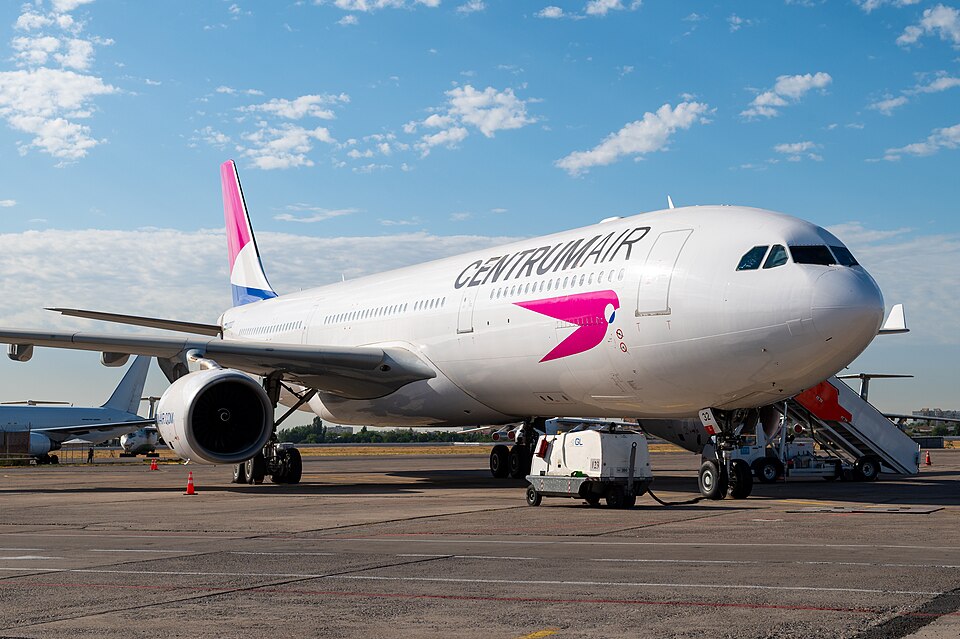
Uzbekistan has become the leading international destination for Russian airlines in the summer 2026 schedule, with flights planned on 67 routes between the two countries, according to data reported by ATO.ru, citing Russia’s aviation authority, Rosaviatsiya. The figures show Uzbekistan surpassing other popular destinations for Russian carriers, including China and Turkey, by a significant margin. Flights to Uzbekistan will operate on 10 more routes than to China and 12 more than to Turkey. Other traditional leisure destinations, such as Thailand and Egypt, will see considerably fewer routes, with 35 and 33 respectively. According to the report, this marks a major shift compared to pre-pandemic travel patterns. In 2019, Uzbekistan ranked ninth among international destinations for Russian airlines, with passenger traffic totaling around 1.24 million people, well behind Turkey and China. The growing number of routes reflects strong demand for travel between the two countries. Analysts attribute this to labor migration, as well as expanding business and tourism ties. Uzbekistan has also gained importance as a transit hub, particularly as Western airspace restrictions now limit routing options for Russian carriers. Tashkent, in particular, has emerged as a key connection point for long-haul travel, including flights to the United States. Uzbekistan Airways remains the only Central Asian carrier operating transatlantic flights to New York. The trend is mirrored on the Uzbek side. According to earlier estimates by Lufthansa Consulting cited in the report, Russia accounted for 49% of Uzbek airlines’ passenger traffic in 2019, rising to 52% by 2022. In the current summer schedule, Uzbekistan Airways operates flights to 19 Russian cities, while private carriers such as Centrum Air and Qanot Sharq serve multiple destinations, including Moscow and St. Petersburg. A new airline, FlyOne Asia, is also expected to launch services on five routes from Tashkent to Russian cities. Previously, The Times of Central Asia reported that Uzbekistan Airways continues to maintain regular operations on Russian routes, including a January incident in which a Boeing 767 flying from Tashkent to Vladivostok made a safe emergency landing in Krasnoyarsk.

Kazakhstan Expands Aviation Hub with Focus on U.S. and Long-Haul Flights

Kazakhstan is preparing for an audit by the U.S. Federal Aviation Administration (FAA) that would allow the country to launch direct flights to the United States. To achieve this, the government must demonstrate the reliability of its aviation regulatory system, the presence of an independent and effective oversight body, and transparent airline certification procedures. The country is also planning to acquire modern long-haul aircraft and has begun construction of its first maintenance center to service them. The Times of Central Asia spoke with representatives of Kazakhstan’s aviation industry about the progress of these efforts, when direct flights to North America may begin, and what challenges remain. As part of efforts to expand international routes and strengthen Kazakhstan’s position as an aviation hub between Europe and Asia, Bauyrzhan Umiraliyev, head of the Aviation Safety Department at the Civil Aviation Committee, said the national carrier Air Astana plans to purchase 15 Boeing 787 Dreamliner aircraft, with deliveries scheduled between 2026 and 2035. “This is a strategically important decision that can significantly boost civil aviation, the economy, and the country’s international standing,” an aviation authority representative told The Times of Central Asia. “Long-haul aircraft will allow airlines to launch direct flights to destinations in North America, Europe, Asia, and Australia that were previously inaccessible or required layovers.” The aircraft will also enhance Kazakhstan’s attractiveness as a transit hub and tourist destination, while enabling airlines to compete internationally through improved efficiency, pricing, and service quality. The purchase of these aircraft, previously delayed twice since 2025 due to production backlogs at Boeing, is expected to open new opportunities for Kazakhstan’s aviation sector, particularly following the anticipated attainment of Category 1 (CAT-1) safety status, confirming compliance with international aviation standards. CAT-1: The Path to the U.S. In 2024, Kazakhstan’s aviation authorities and the FAA signed an agreement to conduct a technical assessment under the International Aviation Safety Assessment (IASA) program. According to Aslan Satzhanov, Acting Executive Director of the Aviation Administration of Kazakhstan, the assessment identified areas requiring improvement in flight safety oversight. “We are currently working on amendments to regulatory acts to implement modern safety procedures and standardize processes, with technical support from FAA experts,” Satzhanov said. In parallel, experts from the U.S. Transportation Security Administration have conducted preliminary assessments of airport security under the Export Control and Border Security Program. The first visit, in October 2021, resulted in a generally positive evaluation of Kazakhstan’s aviation security framework. A follow-up visit in August 2022 focused on screening procedures for passengers, baggage, and cargo at Astana Airport. “The capital’s airport received a positive assessment, and the coordinated work of aviation security personnel was noted,” Satzhanov said. According to preliminary information, the full IASA audit may take place after long-haul aircraft enter service and relevant infrastructure is fully prepared; though, it should be noted that Kazakhstan does not control the timing of the IASA audit. Industry Awaits New Aircraft Preparations for launching new international routes, including previously announced flights to New York and Tokyo, are already underway....

European Investment Fund Commits Over $200 Million to Tajik Airline

The European investment fund CFC s.r.o. plans to invest more than $200 million in the development of Tajikistan’s private carrier Shohin Airlines. The five-year agreement follows several months of negotiations between the parties. According to Shohin Airlines, the final round of talks took place on March 10, 2026, in Dushanbe. The meeting was attended by the airline’s chief executive officer, Zafar Ahmadzoda, and the founder of CFC s.r.o., Guntars Selikovs. One factor influencing the investor’s decision was the recent improvement in Tajikistan’s sovereign credit ratings by the international agencies Moody’s and S&P Global Ratings. This development has increased foreign partners’ confidence in the country’s economic stability. The parties agreed that the investment will be directed toward expanding the airline’s fleet, developing operational capacity, and modernizing infrastructure. “The signing of the investment agreement is an important milestone in Shohin Airlines’ development,” Ahmadzoda said, noting that the deal is expected to accelerate the company’s growth and expand its route network. Selikovs stated that negotiations lasted more than six months and included meetings in Dubai and several European countries. “This allowed us to thoroughly assess the company’s business model and market potential,” he said. Shohin Airlines is a private carrier focused on developing regional aviation in Tajikistan and neighboring markets. At present, the company operates specialized helicopter flights. The next stage of development will involve fleet expansion. In the near future, the airline plans to acquire an L-410 NG, a Czech-made turboprop aircraft designed for regional transport. CFC s.r.o., a fund registered in the Czech Republic, operates across markets in Europe, the Persian Gulf, and Central Asia. Its investment strategy focuses on fast-growing industries. The agreement with Shohin Airlines could become one of the largest private investments in Tajikistan’s aviation sector in recent years and may signal growing interest among international investors in the country.