
• KGS/USD = 0.01143 0%
  • KZT/USD = 0.00206 0%
  • TJS/USD = 0.10811 -0.18%
  • UZS/USD = 0.00008 0%
  • TMT/USD = 0.28571 0%
  • KGS/USD = 0.01143 0%
  • KZT/USD = 0.00206 0%
  • TJS/USD = 0.10811 -0.18%
  • UZS/USD = 0.00008 0%
  • TMT/USD = 0.28571 0%
  • KGS/USD = 0.01143 0%
  • KZT/USD = 0.00206 0%
  • TJS/USD = 0.10811 -0.18%
  • UZS/USD = 0.00008 0%
  • TMT/USD = 0.28571 0%
  • KGS/USD = 0.01143 0%
  • KZT/USD = 0.00206 0%
  • TJS/USD = 0.10811 -0.18%
  • UZS/USD = 0.00008 0%
  • TMT/USD = 0.28571 0%
  • KGS/USD = 0.01143 0%
  • KZT/USD = 0.00206 0%
  • TJS/USD = 0.10811 -0.18%
  • UZS/USD = 0.00008 0%
  • TMT/USD = 0.28571 0%
  • KGS/USD = 0.01143 0%
  • KZT/USD = 0.00206 0%
  • TJS/USD = 0.10811 -0.18%
  • UZS/USD = 0.00008 0%
  • TMT/USD = 0.28571 0%
  • KGS/USD = 0.01143 0%
  • KZT/USD = 0.00206 0%
  • TJS/USD = 0.10811 -0.18%
  • UZS/USD = 0.00008 0%
  • TMT/USD = 0.28571 0%
  • KGS/USD = 0.01143 0%
  • KZT/USD = 0.00206 0%
  • TJS/USD = 0.10811 -0.18%
  • UZS/USD = 0.00008 0%
  • TMT/USD = 0.28571 0%

Viewing results 1 - 6 of 7

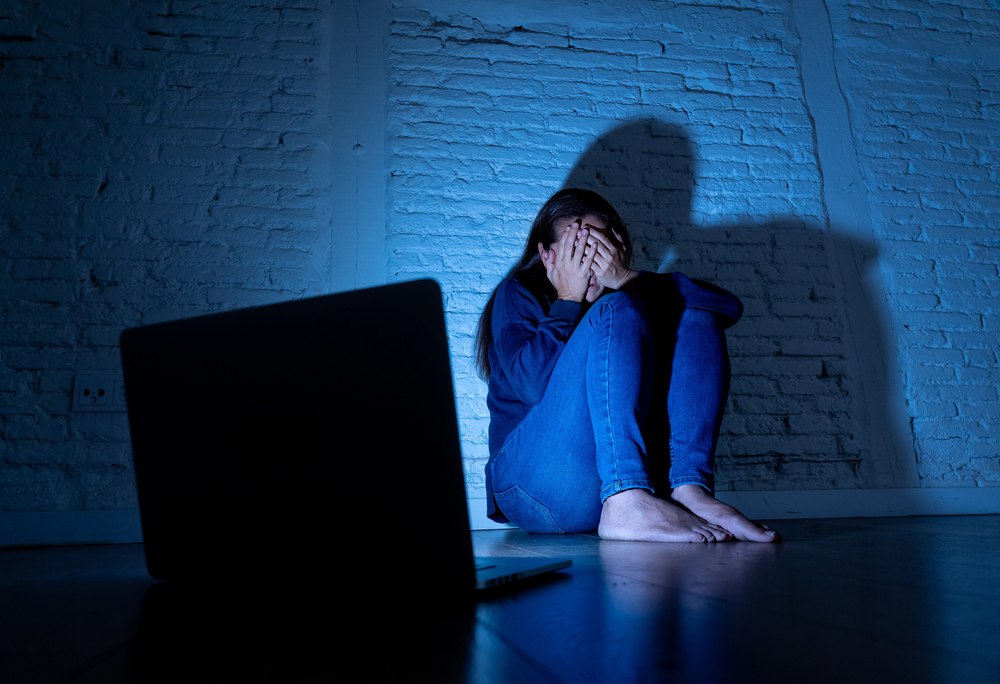
Stalking in Kazakhstan: Why People Have Only Started Talking About It Now

Until recently, stalking in Kazakhstan was widely perceived as something more typical of movies, TV dramas, or social media discussions than of everyday life. Persistent phone calls, dozens of messages, or being followed near one’s home or workplace were often not seen as a serious threat. Such behavior was frequently excused with phrases like “he just can’t let go,” “he’s just being too persistent in courting her,” or “that’s how he shows his feelings.” But in recent years, attitudes toward this issue have begun to change, and on September 16, 2025, amendments came into force in Kazakhstan, introducing a separate Article 115-1, “Stalking,” into the Criminal Code. Under this article, stalking is defined as the unlawful pursuit of a person, expressed in attempts to establish contact with and/or track them against their will, without the use of violence, but causing substantial harm. What Exactly Is Considered Stalking? In practice, stalking is not limited to following someone on the street. Kazakhstan’s Ministry of Internal Affairs includes repeated phone calls, constant messaging, intrusive attempts to establish contact, harassment through social media, and other actions against a person’s will in this category. Official explanations also state that stalking may include threats, insults, defamation, online surveillance, reading private correspondence, monitoring through cameras, and GPS trackers. All of this causes fear, anxiety, and a sense of insecurity. For a long time, society did not view stalking as a separate problem for several reasons. First, many people still held the dangerous belief that persistence is almost normal, especially in the context of former relationships or attempts to “win over” someone’s attention. Second, psychological harm was often underestimated: if there were no bruises or obvious physical violence, it was assumed that there was no serious problem. Third, before a separate article appeared in the law, it was harder for people to explain exactly what was happening to them and why it deserved a legal response. The introduction of a clear legal norm helped call the problem by its proper name, and this matters not only for the police and courts, but also for the victims themselves. What Changed After the Law Was Adopted? In reality, stalking is not about feelings and not about “love that is too strong.” Its purpose is control, intrusion into another person’s personal boundaries, and forcing one’s presence upon them. The Ministry of Internal Affairs directly emphasizes that such actions cause serious harm to personal safety and psychological well-being. Stalking causes fear, stress, and anxiety about one’s life and health, and in some cases may escalate into more serious crimes, including violence, bodily harm, or property damage. The introduction of Article 115-1 showed that the state no longer regards intrusive harassment as something minor or as “a private story between two people.” The penalties for stalking include a fine of up to 200 monthly calculation indices (MCI), community service for up to 200 hours, or arrest for up to 50 days. If the harassment is accompanied by violence, threats, blackmail, or the unlawful...

Uzbek FLEX Finalist Returns Home After Alleged Harassment by Host Father in Indiana

An Uzbek high school student selected for the prestigious FLEX exchange program has returned home after her family alleged she was subjected to sexual harassment by her host father in the United States. The claims were made public by her father, Dr. Aziz Boltayev, in a detailed Facebook post. Uzbek officials have confirmed that they requested explanations from program representatives, while the U.S. side has not issued a public statement. Dr. Boltayev’s daughter was one of nearly 60 finalists from Uzbekistan selected in 2025 for the Future Leaders Exchange Program (FLEX), had traveled to the United States to complete her final year of high school. The fully funded initiative, supported by the U.S. Department of State, enables students from participating countries to study at American high schools and live with volunteer host families for one academic year. According to Boltayev’s account, his daughter was placed in a small town in Indiana with a childless couple, both music teachers, who had previously hosted exchange students. Initial video calls reportedly reassured the family prior to her departure. “After graduating from medical school, I received a U.S. Department of State grant and spent time in the United States for professional development,” Boltayev wrote. “I returned to Uzbekistan with a deep sense of gratitude and a positive impression of American values. Naturally, when my eldest daughter won the FLEX grant in 2025, I was proud and supportive.” He said the situation changed approximately a month after her arrival. According to his post, the host father allegedly began making inappropriate remarks and advances when his wife was not present. “He told my daughter that it was ‘necessary to gain sexual experience’ before marriage,” Boltayev wrote. “To her credit, [his daughter] firmly resisted and immediately informed her assigned FLEX coordinator.” According to Boltayev, the local coordinator relocated his daughter shortly after the complaint was filed. However, he criticized the way communication with the family in Uzbekistan was handled. “The coordinator moved [his daughter] out of the house immediately, but in doing so, they completely bypassed us, her parents,” he wrote. Due to the time difference, he said he was informed the following day by the FLEX office in Tashkent. Boltayev further alleged that during this period his daughter’s phone was switched off and her parents’ messages went unanswered. He claimed that the coordinator had instructed her to turn off her phone for “security reasons,” which he described as isolating a minor from her parents. He also asserted that neither the temporary host family nor U.S.-based program representatives agreed to speak directly with him. According to Boltayev, his daughter was told that program officials were not obligated to provide information to her parents. Seeking reassurance, Boltayev contacted a friend, a faculty member at the University of Michigan, who lives several hours from his daughter’s location, and asked him to check on her in person. “Even then, FLEX representatives tried to block him, telling my daughter: ‘He needs our permission to see you, and for now, permission is...

U.S. Commission Again Cites Turkmenistan for Religious Freedom Violations

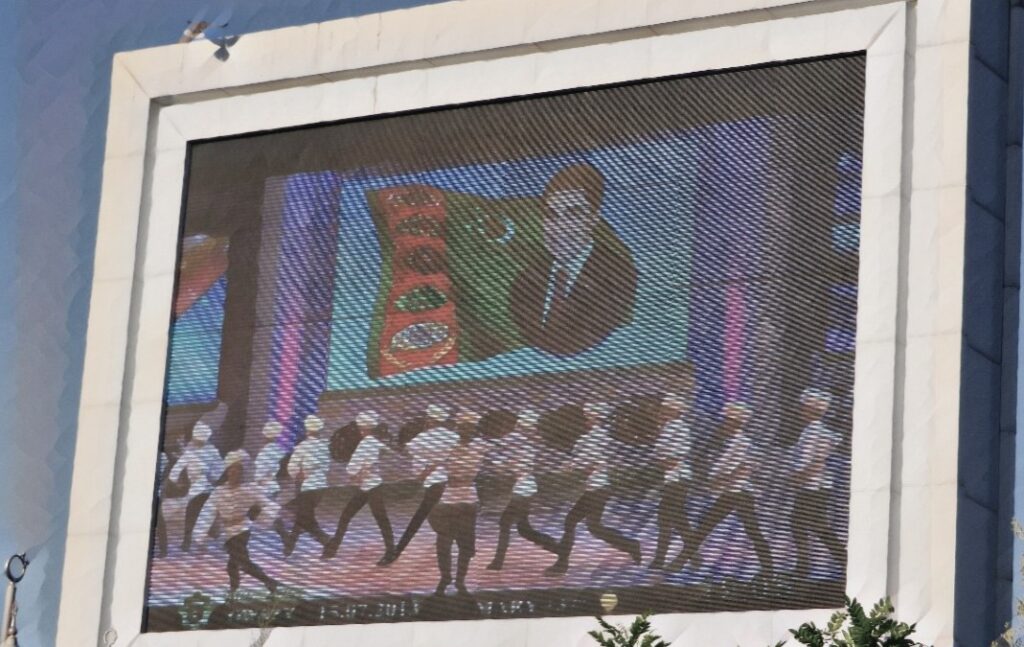
The U.S. Commission on International Religious Freedom (USCIRF) has once again designated Turkmenistan as a “Country of Particular Concern” (CPC), citing ongoing and systematic violations of religious freedom in its 2024 annual report. Persistent State Control and Persecution The USCIRF report emphasizes that religious freedoms in Turkmenistan remain severely restricted, with the state maintaining tight control over religious life and prosecuting individuals whose beliefs deviate from officially sanctioned interpretations. Notably, the commission highlighted the imprisonment of ten Muslims for participating in peaceful religious activities, a case that underscores the regime's repressive stance toward nonconforming Islamic practices. Turkmenistan’s legal framework continues to draw criticism. The 2016 Religion Law prohibits unregistered religious groups and heavily restricts the distribution of religious literature, instruction, and rituals. The 2015 Law on Combating Extremism also remains a concern, as its vague provisions allow for the prosecution of peaceful religious activity. Harassment of Religious Minorities The report also documents the continued harassment of Protestant Christians and Jehovah’s Witnesses. In one case, a mosque official in Lebap province reportedly threatened to "shut down" a pastor of an unregistered Protestant church, prompting a visit from the Ministry of National Security. The pastor’s relatives later received anonymous threats. In January, law enforcement officers raided a Jehovah’s Witnesses' home in the village of Sakara, detaining five individuals who were subjected to eight hours of interrogation. Restrictions on Religious Travel The Turkmen authorities also restrict international travel on religious grounds. In January 2024, Pygamberdy Allaberdyev, a lawyer and activist from Balkanabat, was barred from traveling to Iran to attend a relative’s funeral. According to USCIRF, he was informed by Department of Homeland Security officials that he was under surveillance and would be prohibited from leaving the country for five years. Religion and the Cult of Personality The commission's report also criticizes the use of religion to reinforce the cult of personality surrounding former president Gurbanguly Berdimuhamedov. Although he currently serves as chairman of the Khalk Maslahaty, his influence remains widespread. Officials in Balkanabat and Turkmenbashi reportedly interfered with wedding ceremonies, mandating the exclusive use of Turkmen music, including songs from the former president’s personal repertoire. Authorities have also targeted religious expression among civil servants. Men have been forced to shave their beards, and women have been ordered to remove their hijabs. Ahead of the Berdimuhamedov family’s vacation in Avaza, police carried out raids targeting religious symbols. In October, women in Ashgabat wearing hijabs were reportedly detained, had their belongings confiscated, and were banned from traveling abroad. They were also lectured about the secular nature of the state. Policy Recommendations In its conclusions, USCIRF recommends targeted sanctions against officials and agencies responsible for egregious violations of religious freedom, including asset freezes and visa bans. The commission also urged the U.S. Congress to take a more active role in addressing these issues through hearings and delegations to the region. Turkmenistan has consistently appeared on USCIRF’s CPC list since 2000, reflecting its entrenched policies of religious control, suppression of non-state-approved faiths, and ongoing violations against...
