• KGS/USD = 0.01143 0%
  • KZT/USD = 0.00216 0%
  • TJS/USD = 0.10684 -0.28%
  • UZS/USD = 0.00008 0%
  • TMT/USD = 0.28571 0%
  • KGS/USD = 0.01143 0%
  • KZT/USD = 0.00216 0%
  • TJS/USD = 0.10684 -0.28%
  • UZS/USD = 0.00008 0%
  • TMT/USD = 0.28571 0%
  • KGS/USD = 0.01143 0%
  • KZT/USD = 0.00216 0%
  • TJS/USD = 0.10684 -0.28%
  • UZS/USD = 0.00008 0%
  • TMT/USD = 0.28571 0%
  • KGS/USD = 0.01143 0%
  • KZT/USD = 0.00216 0%
  • TJS/USD = 0.10684 -0.28%
  • UZS/USD = 0.00008 0%
  • TMT/USD = 0.28571 0%
  • KGS/USD = 0.01143 0%
  • KZT/USD = 0.00216 0%
  • TJS/USD = 0.10684 -0.28%
  • UZS/USD = 0.00008 0%
  • TMT/USD = 0.28571 0%
  • KGS/USD = 0.01143 0%
  • KZT/USD = 0.00216 0%
  • TJS/USD = 0.10684 -0.28%
  • UZS/USD = 0.00008 0%
  • TMT/USD = 0.28571 0%
  • KGS/USD = 0.01143 0%
  • KZT/USD = 0.00216 0%
  • TJS/USD = 0.10684 -0.28%
  • UZS/USD = 0.00008 0%
  • TMT/USD = 0.28571 0%
  • KGS/USD = 0.01143 0%
  • KZT/USD = 0.00216 0%
  • TJS/USD = 0.10684 -0.28%
  • UZS/USD = 0.00008 0%
  • TMT/USD = 0.28571 0%

Viewing results 1 - 6 of 296

IDB to Fund $156.3 Million for Cancer Hospitals in Turkmenistan

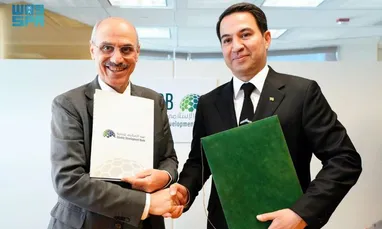
Turkmenportal reported that a Turkmenistan delegation visited Washington DC from October 22 to 26 to participate in the annual meetings of the International Monetary Fund (IMF) and the World Bank, along with related events. During the visit, representatives of Turkmenistan's financial and banking sector engaged in bilateral discussions with foreign partners. According to the Saudi Press Agency, the Islamic Development Bank (IDB) has approved $156.3 million in funding to build three specialized cancer treatment hospitals in Turkmenistan. These modern facilities will be located in Balkanabad, Turkmenabad, and Mari, with a combined capacity to serve over 11,750 patients. The agreement was signed in a meeting between IDB President Muhammad Al Jasser and Rahimberdi Jepbarov, Chairman of the State Bank for Foreign Economic Affairs of Turkmenistan. Meanwhile, on October 24, Swiss pharmaceutical company Roche, in partnership with Nobel Almaty Pharmaceutical Factory, launched the production of innovative drugs in Almaty, Kazakhstan. This initiative is part of an agreement between Roche, Kazakhstan’s SK-Pharmacy, Nobel, and the Kazakh Research Institute of Oncology and Radiology, supported by Kazakh Invest. Under this collaboration, Roche will locally produce three biotechnological drugs to treat HER2-positive breast cancer, a highly aggressive form affecting up to 20% of breast cancer patients in Kazakhstan.


Kyrgyzstan Faces Critical Shortage of 5,000 Doctors

Kyrgyzstan's hospitals are struggling with a shortage of medical staff, with an estimated need for around 5,000 more doctors nationwide, according to Deputy Health Minister Kaarmanbek Baidavletov. He shared these figures during a Jogorku Kenesh meeting, highlighting the urgency of the issue. To address this issue, the Ministry of Health is negotiating with the president's regional representatives to develop solutions. In some districts, local authorities are helping young specialists by taking over utility payments to ease doctors' working conditions. Baidavletov said there should be one doctor for every 1,500 people, but more staff is needed in remote regions and central hospitals. Kyrgyzstan's healthcare system faces several serious challenges. One key problem is the need for more medical personnel, especially in remote regions that lack hematology, neonatology, and pediatrics specialists. In addition, the country has a high incidence of non-communicable diseases such as hypertension and diabetes mellitus, especially among women. The Women's Health initiative has been launched to enhance awareness and early diagnosis of these diseases. Another initiative focuses on antimicrobial resistance (AMR), which the WHO supports. This program provides diagnostic tools and training for medical staff and assesses the prevalence of AMR in Kyrgyzstan to improve clinical protocols and policies in this area.

Swiss Company Roche to Produce Anti-Cancer Drugs in Almaty

On October 24, the Swiss pharmaceutical giant F. Hoffmann-La Roche Ltd., in partnership with Nobel Almaty Pharmaceutical Factory JSC, launched the production of innovative drugs in Almaty. The project followed an agreement between Roche, Kazakhstan’s SK-Pharmacy LLP, Nobel, and the Kazakh Research Institute of Oncology and Radiology, with the support of National Company Kazakh Invest. Under the agreement, Roche committed to establishing local production of three biotechnological drugs for the treatment of HER2-positive breast cancer, an aggressive form of the disease that affects up to 20% of breast cancer patients in Kazakhstan. At the opening ceremony, Kazakhstan's Minister of Health, Akmaral Alnazarova, said: "The localization [of production] of oncological drugs by a global leader like Roche is a huge step forward for our country. This project will provide patients access to advanced treatments and significantly contribute to developing Kazakhstan's healthcare infrastructure.” The transfer of Roche's advanced technologies and production capabilities to local partners will reduce healthcare system costs in Kazakhstan and significantly expand patient access to essential medicines. Around 5,000 new cases of breast cancer are registered in the country annually, with approximately 1,200 resulting in death. This project is expected to increase the number of patients receiving therapy to 1,335 by 2026. The project is part of Kazakhstan’s plan to increase the share of domestically produced medicines and medical devices to 50%.
Chinese Company to Build FMD Vaccine Production Plant in Kyrgyzstan

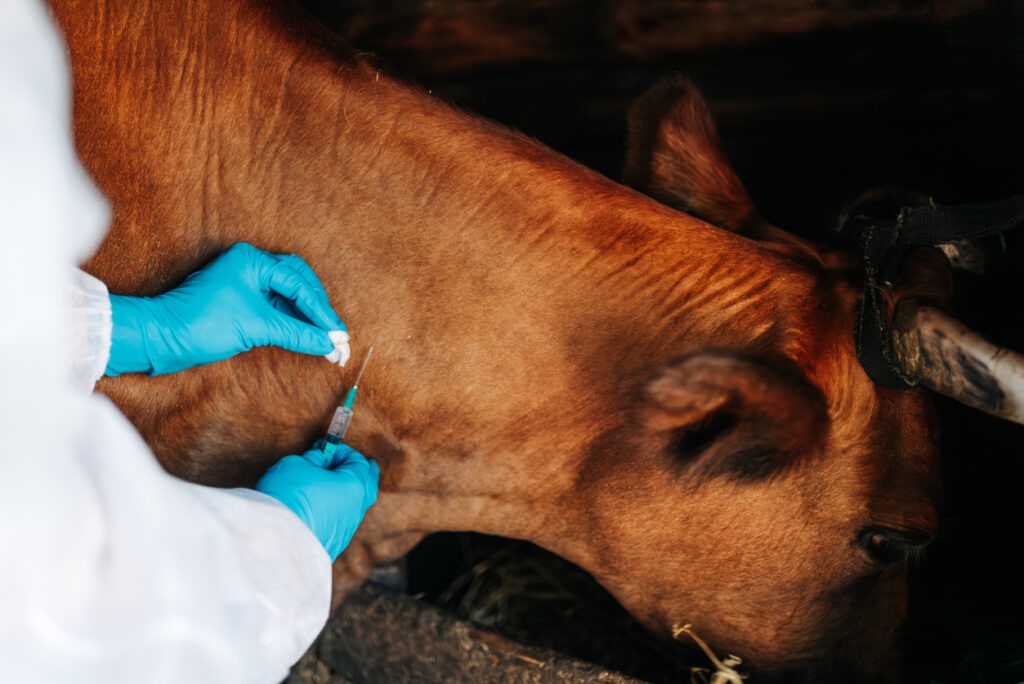
China’s Yangling Jinhai Biotechnology Co., Ltd. plans to build a plant in Kyrgyzstan to produce foot-and-mouth disease (FMD) vaccines, according to the country’s Ministry of Water Resources, Agriculture, and Processing Industry. The announcement followed a meeting between Kyrgyzstan’s Deputy Chairman of the Cabinet of Ministers and Minister of Water Resources, Agriculture, and Processing Industry, Bakyt Torobaev, and a delegation from the Chinese company. The project includes the entire production cycle, from raising and fattening livestock to vaccination and slaughtering. Yangling Jinhai Biotechnology Co., Ltd. is ready to invest in plant construction, transfer advanced technologies, and train local specialists. The parties agreed to establish a working group to implement the project. According to the World Organization for Animal Health,FMD is a severe and highly contagious viral livestock disease with a significant economic impact. It is a transboundary animal disease that profoundly affects livestock production and disrupts regional and international trade in animals and animal products. The parties emphasized the project's importance for strengthening Kyrgyzstan’s veterinary security, as domestically produced vaccines would significantly reduce the spread of infectious diseases among farm animals. Kyrgyzstan is an agricultural country, and livestock farming is the country's primary source of income for its rural population. In September 2024, the Ministry of Water Resources, Agriculture and Processing Industry reported that Kyrgyzstan had 1,802,299 head of cattle (cows), 542,527 horses, 6,216,125 sheep and goats, 6,988,968 poultry, and 29,676 pigs.

Tashkent Student Imprisoned for Trying to Broker Sale of Human Body Parts

A 21-year-old student studying at a university in Tashkent posted an advert on social media earlier this year, announcing that he would help citizens sell their kidneys, livers, and bone marrow. The student stated in his ad that he would buy a human kidney for $38,000, a liver for $43,000, and bone marrow for $23,000. Someone read the ad and said he wanted to sell one of his kidneys. The student said that the donor would be paid $38,000 for it, that the kidney transplant operation would take place in Germany, and that he would have to pay $350 before the trip. The student was caught while receiving this money. Law enforcement officers caught the student on April 26, when he received the agreed-upon $350 from the applicant. The police arrested him as a preventive measure. The student told the court that he did it because he needed money, but he had no acquaintances in Germany. He said he used the $350 for his own needs but wanted to return the sum to his acquaintance later. He also said that his brother, sister, and himself are students and asked the court not to punish him. The court sentenced him to three years in prison.

Did DIY Butchers Cause Twenty-One Meat Poisonings in Turkmenistan?

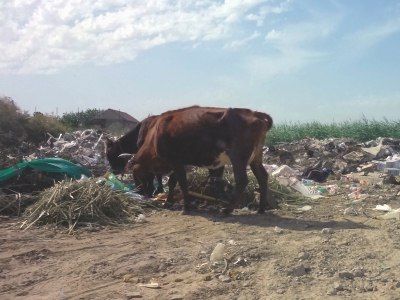
A hospital in the eastern Turkmen town of Sayat has admitted 21 people with symptoms of food poisoning, after eating at a restaurant where they were given infected meat. All the patients were kept in hospital for several days, Chronicles of Turkmenistan reports. An outbreak of a disease among camels and cattle, presumably animal pox, was recently recorded in Sayat. The virus began to spread rapidly but has since been halted by epidemiological and veterinary services. The way that dead animals are disposed of in Turkmenistan poses an additional threat. The authorities do not control this process, and many people bury cattle corpses on their own in wastelands or throw them into bushes. Due to this, a new problem has emerged: people, dubbed giçki maslykçylar (“night scavengers”) find recently dead animals, skin them, and cut out the parts of the carcass that have not rotted away. This meat is then sold to cafes and restaurants for 50 manats per kilogram, slightly cheaper than the market price of 60-65 manats for fresh meat. Viral animal pox is spreading among camels and cattle in some countries of Central Asia, including Turkmenistan. The virus causes skin lesions, including papules and pustules, which can lead to mass infections in livestock. If not treated promptly, the disease can spread among farm animals, which can cause mass mortality. In most cases, animal pox does not pose a serious threat to humans, but some strains can be transmitted to people. Diseases such as cowpox and sheeppox can be transmitted to humans through contact with infected animals. These viruses cause skin rashes and can affect mucous membranes, making them potentially dangerous to humans, especially if precautions are not taken when in contact with them. Local authorities have started inspecting stores and markets selling meat and fish. Sellers who sell products without appropriate certificates from sanitary-epidemiological services are being fined 3,000 to 5,000 manats ($850 to $1400).