Viewing results 1 - 6 of 9
Construction of a small hydropower plant and a solar power station has begun in Kyrgyzstan’s Jalal-Abad region as part of efforts to expand domestic electricity generation and reduce reliance on energy imports. The groundbreaking ceremony took place on April 28 and was attended by the presidential envoy to the region, Tilek Tekebayev; the project’s scientific supervisor and former Prime Minister Akylbek Japarov; as well as representatives of the Chinese corporation SINOMACH. The project involves the construction of two facilities: a small hydropower plant with a capacity of 5 megawatts and an annual output of around 20 million kWh, and a solar power plant with a capacity of 1 megawatt, generating approximately 1.6 million kWh per year. The total investment, to be implemented under a public-private partnership model, is estimated at $259.8 million. Once operational, the facilities are expected to help reduce electricity shortages in the region and decrease dependence on imports. The project is also expected to create more than 100 jobs and provide irrigation for over 1,000 hectares of arid land. Kyrgyzstan is accelerating the development of small hydropower projects amid rising electricity demand and limited generation capacity. Currently, 48 small hydropower plants are operating in the country, with a combined capacity of around 180 megawatts. Another 50 facilities are under construction, which authorities say will strengthen the country’s energy independence.
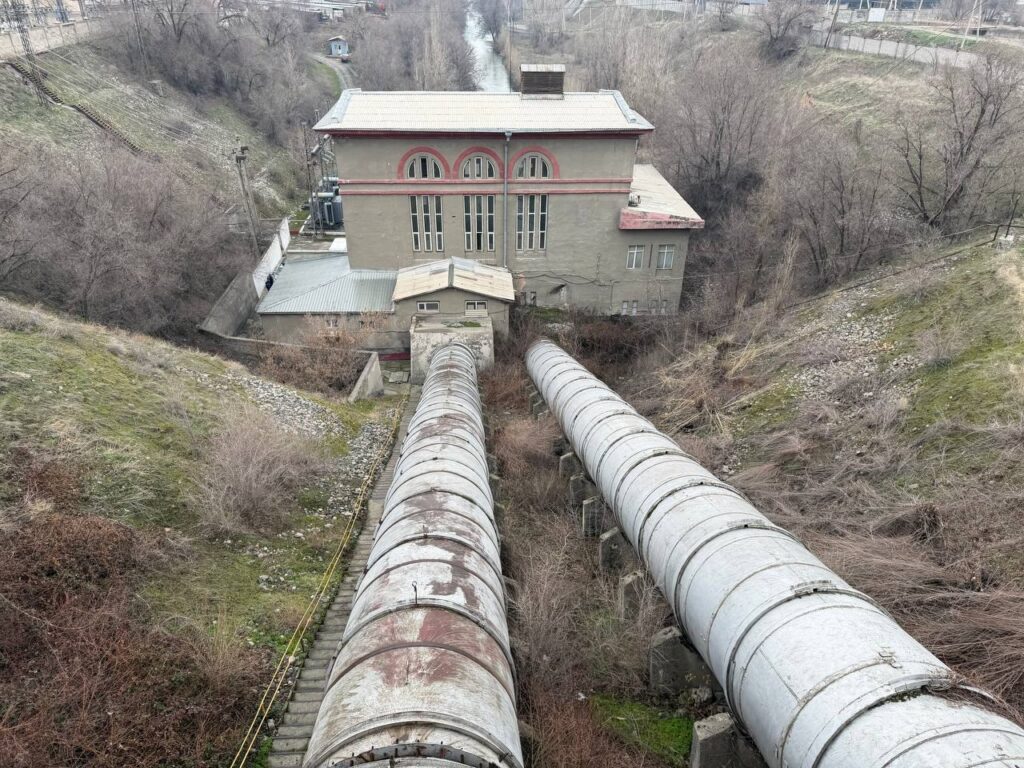
Kyrgyzstan’s state-owned Chakan HPP OJSC has signed a contract with China National Heavy Machinery Corporation (CHMC), which will serve as the general contractor for the modernization of the Lebedinovskaya hydroelectric power plant (HPP) on the outskirts of Bishkek. The project forms part of the Ministry of Energy’s broader program to upgrade and rehabilitate hydropower facilities in an effort to reduce the country’s chronic electricity shortages and strengthen energy security. The Lebedinovskaya HPP is the main station of the Alamedin HPP cascade, which comprises eight small hydropower plants located on the Western Big Chui Canal in the Chui region. According to the Ministry of Energy, the modernization will involve replacing key equipment, increasing generating capacity, and extending the plant’s operational lifespan. The project involves increasing the plant’s installed capacity from 7.6 megawatts (MW) to 10 MW and raising annual electricity generation from 37.2 million kilowatt-hours (kWh) to 53.5 million kWh. CHMC has already begun preparing the design and cost-estimate documentation. Lebedinovskaya HPP is one of the oldest operating hydropower plants in northern Kyrgyzstan. Construction began in May 1942, during World War II. Much of the main construction work was carried out during a harsh winter, when more than 7,000 women and children reportedly excavated frozen soil by hand, transported it across the ice, and stood in icy water to pump out up to 200 cubic meters of groundwater daily to protect the plant’s foundation. Construction was completed in one year and two weeks. In 1943, the city of Frunze, now Bishkek, began receiving electricity from the plant. The additional power enabled factories evacuated from western parts of the Soviet Union during the war to resume operations at their new location.
Kazakhstan plans to significantly expand its hydropower capacity over the next five years. By the end of 2030, the country intends to commission new hydropower plants with a combined capacity of approximately 660 MW, nearly tripling the sector’s current installed capacity, according to the Ministry of Energy. At present, 43 hydropower facilities operate in Kazakhstan with a total installed capacity of 313 MW. The implementation of agreements already concluded is expected to raise this figure to nearly 1 GW, substantially increasing the contribution of hydropower to the national energy mix. In 2025, an additional project was added to the portfolio: the 26 MW Korinskaya HPP-2 was commissioned in the Jetisu Region. By the end of the year, total electricity generation from renewable energy sources reached 8.621 billion kWh, of which 1.196 billion kWh was produced by small and medium-sized hydropower plants. Kazakhstan continues to rely on an auction mechanism to attract investment and enhance transparency in the renewable energy sector. In 2025, 500 MW of capacity designated specifically for hydropower projects was offered through competitive auctions. According to the Ministry of Energy, this approach helps reduce project costs and foster a stable investment environment. The highest concentration of renewable energy facilities, including hydropower plants, is located in the southern and southeastern regions, Zhambyl, Almaty, and Jetisu regions. These areas benefit from significant river potential and established infrastructure capable of supporting further generation growth. The ministry states that implementation of the planned projects will diversify Kazakhstan’s energy mix, supply remote areas with stable green electricity, reduce pressure on the main transmission grids, and enhance overall system reliability. As previously reported by The Times of Central Asia, renewable energy accounted for 7% of Kazakhstan’s national energy mix by the end of 2025.