
• KGS/USD = 0.01144 0%
  • KZT/USD = 0.00190 -0%
  • TJS/USD = 0.10837 0.37%
  • UZS/USD = 0.00008 0%
  • TMT/USD = 0.28571 0%
  • KGS/USD = 0.01144 0%
  • KZT/USD = 0.00190 -0%
  • TJS/USD = 0.10837 0.37%
  • UZS/USD = 0.00008 0%
  • TMT/USD = 0.28571 0%
  • KGS/USD = 0.01144 0%
  • KZT/USD = 0.00190 -0%
  • TJS/USD = 0.10837 0.37%
  • UZS/USD = 0.00008 0%
  • TMT/USD = 0.28571 0%
  • KGS/USD = 0.01144 0%
  • KZT/USD = 0.00190 -0%
  • TJS/USD = 0.10837 0.37%
  • UZS/USD = 0.00008 0%
  • TMT/USD = 0.28571 0%
  • KGS/USD = 0.01144 0%
  • KZT/USD = 0.00190 -0%
  • TJS/USD = 0.10837 0.37%
  • UZS/USD = 0.00008 0%
  • TMT/USD = 0.28571 0%
  • KGS/USD = 0.01144 0%
  • KZT/USD = 0.00190 -0%
  • TJS/USD = 0.10837 0.37%
  • UZS/USD = 0.00008 0%
  • TMT/USD = 0.28571 0%
  • KGS/USD = 0.01144 0%
  • KZT/USD = 0.00190 -0%
  • TJS/USD = 0.10837 0.37%
  • UZS/USD = 0.00008 0%
  • TMT/USD = 0.28571 0%
  • KGS/USD = 0.01144 0%
  • KZT/USD = 0.00190 -0%
  • TJS/USD = 0.10837 0.37%
  • UZS/USD = 0.00008 0%
  • TMT/USD = 0.28571 0%
06 November 2025

Viewing results 1 - 6 of 3

Italian Agricultural Group Considers Launching Industrial Hemp Project in Kazakhstan

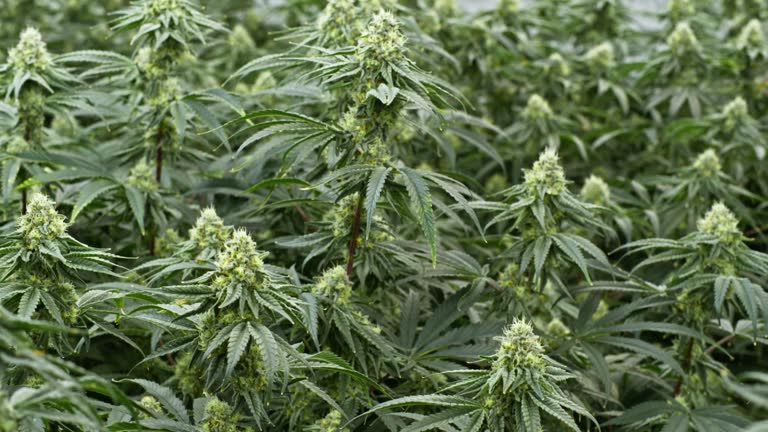
The Italian agricultural organization Unione Coltivatori Italiani (UCI) is exploring a project to cultivate and process industrial hemp in Kazakhstan for applications in the textile, construction, and pharmaceutical industries. The initiative was announced by the national investment promotion agency Kazakh Invest. During a recent meeting in Astana, Kazakh Invest Deputy Chairmen Azamat Kozhanov and Madiyar Sultanbek held talks with UCI President Mario Serpillo. The Italian delegation shared its experience in sustainable agriculture and closed-loop production systems using hemp, including the manufacture of fibers, oil, and biomaterials. A Phased Rollout with International Standards According to the statement, the project will begin with pilot plots of up to 100 hectares in various regions of Kazakhstan, where agricultural technologies will be tested. If successful, the initiative will be scaled up. Only industrial hemp varieties compliant with international standards for tetrahydrocannabinol (THC) content, no more than 0.3%, will be used. This ensures the hemp has no psychoactive effects and qualifies as a technical raw material. Kazakhstan first proposed cultivating industrial hemp in 2016, but the idea failed to materialize. In spring 2025, however, a renewed effort gained legislative support. A bill legalizing the cultivation of non-narcotic hemp under strict state control was introduced and passed in June, allowing production for industrial use only. Modern Technologies and Regulatory Oversight The proposed project will employ advanced agricultural technologies to produce textiles, biocomposites, and pharmaceutical products. The Italian side emphasized the importance of regulatory compliance, including certification, licensing, and cooperation with research institutions in fields such as medicine, cosmetology, sustainable agriculture, and construction materials. Founded in the 1920s, UCI is one of Italy’s oldest agricultural organizations and has a long-standing commitment to sustainable development. Kazakhstan’s Ministry of Agriculture previously announced plans to use domestically grown industrial hemp to produce high-security paper for identity documents. As previously reported by The Times of Central Asia, this development indicates the potential for multiple hemp cultivation and processing projects to emerge across the country.

Kazakhstan to Use Industrial Hemp for Passport Production

Kazakhstan will begin producing high-security paper from domestically cultivated industrial hemp, which will be used in the manufacture of passports and national ID cards, the Ministry of Agriculture (MoA) has announced. As previously reported by The Times of Central Asia, Kazakh authorities first considered cultivating industrial hemp in 2016, though the initiative remained dormant until recently. In spring 2025, a draft law legalizing the cultivation of non-narcotic hemp was submitted to parliament. It was approved by deputies in June and subsequently signed into law by President Kassym-Jomart Tokayev. The legislation authorizes the government to determine which hemp varieties are eligible for industrial use, explicitly excluding strains used for narcotics, and outlines procedures for cultivation and processing. High-Security Applications and Export Potential At a government briefing on Tuesday, Deputy Minister of Agriculture Azat Sultanov explained the rationale behind the initiative. “The main product will be high-security paper, which is a valuable export commodity used for the production of identification documents such as passports and other special forms,” Sultanov said. “The range of products being considered by the investor is wide. Market demand will be taken into account, and we believe all the output will go for export.” The North Kazakhstan Region is currently being considered as the site for the production facility. Regulated THC Levels and Licenses Issued Earlier, the Ministry of Agriculture confirmed that the allowed level of tetrahydrocannabinol (THC), the psychoactive component of cannabis, in cultivated industrial hemp would not exceed 0.3%. In contrast, wild hemp found in Kazakhstan can contain up to 15% THC, rendering the industrial variant non-psychoactive. Deputy Minister of Internal Affairs Sanjar Adilov noted in April that four licenses for industrial hemp cultivation had already been issued. One licensed farming enterprise in Kostanay Region, adjacent to North Kazakhstan Region, is already engaged in hemp cultivation and processing.

Kazakhstan to Permit Industrial Hemp Cultivation

Kazakhstan will legalize the cultivation of industrial hemp, with the measure already approved by the Mazhilis, the lower house of parliament. The provision is part of a draft law aimed at eliminating unnecessary regulation of internal affairs bodies. Vice Minister of Internal Affairs Sanzhar Adilov confirmed the development during a parliamentary session. According to Adilov, the Ministry of Internal Affairs has already issued four licenses for the cultivation of technical cannabis. The new regulation is designed to enable the use of industrial hemp in manufacturing sectors such as paper, textiles, and construction materials. Industrial Use, Not for Intoxication During discussions in the Mazhilis, some deputies raised concerns about whether the cultivation of hemp might attract drug users or traffickers. Addressing these fears, Adilov emphasized the stark chemical differences between industrial and wild cannabis. “Wild-growing marijuana in the Chui Valley contains more than 15% tetrahydrocannabinol (THC), while industrial hemp contains just 0.1% to 0.3% THC,” he explained. “As a police officer, I can say this production holds no interest for drug users or traffickers. Industrial hemp cultivation is not prohibited by law.”  Adilov noted that one farm in the Kostanay region is already engaged in the cultivation and processing of industrial hemp under one of the existing licenses. Revisiting an Old Idea The concept of using hemp for industrial purposes, particularly in paper production, has been circulating in Kazakhstan for more than a decade. However, past initiatives were not government-led. Roughly ten years ago, the National Chamber of Entrepreneurs “Atameken” proposed utilizing hemp to reduce Kazakhstan’s dependency on imported office paper, which costs the country an estimated $100 million annually. Although the proposal was backed by Dariga Nazarbayeva, then Deputy Prime Minister and the eldest daughter of former President Nursultan Nazarbayev, it failed to gain broader government support at the time.  Now, with the government itself spearheading the effort, the project is being revived with stronger institutional backing. The entire cultivation and processing cycle of industrial hemp will be monitored by anti-narcotics authorities to ensure regulatory compliance and security.
