• KGS/USD = 0.01144 0%
  • KZT/USD = 0.00211 0%
  • TJS/USD = 0.10582 0%
  • UZS/USD = 0.00008 0%
  • TMT/USD = 0.28530 0%
  • KGS/USD = 0.01144 0%
  • KZT/USD = 0.00211 0%
  • TJS/USD = 0.10582 0%
  • UZS/USD = 0.00008 0%
  • TMT/USD = 0.28530 0%
  • KGS/USD = 0.01144 0%
  • KZT/USD = 0.00211 0%
  • TJS/USD = 0.10582 0%
  • UZS/USD = 0.00008 0%
  • TMT/USD = 0.28530 0%
  • KGS/USD = 0.01144 0%
  • KZT/USD = 0.00211 0%
  • TJS/USD = 0.10582 0%
  • UZS/USD = 0.00008 0%
  • TMT/USD = 0.28530 0%
  • KGS/USD = 0.01144 0%
  • KZT/USD = 0.00211 0%
  • TJS/USD = 0.10582 0%
  • UZS/USD = 0.00008 0%
  • TMT/USD = 0.28530 0%
  • KGS/USD = 0.01144 0%
  • KZT/USD = 0.00211 0%
  • TJS/USD = 0.10582 0%
  • UZS/USD = 0.00008 0%
  • TMT/USD = 0.28530 0%
  • KGS/USD = 0.01144 0%
  • KZT/USD = 0.00211 0%
  • TJS/USD = 0.10582 0%
  • UZS/USD = 0.00008 0%
  • TMT/USD = 0.28530 0%
  • KGS/USD = 0.01144 0%
  • KZT/USD = 0.00211 0%
  • TJS/USD = 0.10582 0%
  • UZS/USD = 0.00008 0%
  • TMT/USD = 0.28530 0%

Viewing results 1 - 6 of 9

Kazakhstan Climbs 30 Positions in Clean Energy Investment Ranking

Kazakhstan has significantly improved its position in the international Climatescope ranking of clean energy investment attractiveness, rising by 30 places over the past eight years, according to the Ministry of Energy. The country moved from 54th place in 2017 to 24th in 2025 among emerging markets, reflecting the expansion of renewable energy and improvements in the investment climate. The Climatescope ranking assesses countries’ attractiveness for investment in clean energy and decarbonization, analyzing policies, infrastructure, and market potential across more than 100 nations. The study is compiled by BloombergNEF, a research unit of Bloomberg specializing in data and forecasts on the energy transition, new transport technologies, and commodity markets. According to the ministry, Kazakhstan’s improved standing is driven by increased investment in renewable energy projects and consistent state support for green energy. The country has introduced competitive auctions and guaranteed power purchase mechanisms, which have helped attract international investors. “Kazakhstan is making significant progress in the development of clean energy. Growing investor interest and improved market conditions indicate that the country is becoming one of the regional leaders in attracting capital for low-carbon technologies,” the ministry said. Major international companies involved in projects in Kazakhstan include TotalEnergies, China Power, Masdar, and China Energy. Looking ahead, Kazakhstan plans to commission more than 8 GW of new renewable energy capacity by 2035, which is expected to diversify the energy mix and strengthen the resilience of the national power system. Among Central Asian countries, Uzbekistan achieved the strongest result in the 2025 ranking, placing 23rd. As previously reported by The Times of Central Asia, Kazakhstan presented its green energy transition strategy at an international forum in the United Kingdom. In addition, the government aims to eliminate the electricity deficit and begin exports as early as 2027.

Uzbekistan Unveils New Capital Market Reforms to Attract $1 Billion in Investment

Uzbekistan has approved a presidential decree aimed at enhancing the investment climate in the country’s capital markets. According to the Ministry of Justice, the reform package is designed to attract $1 billion in new investments by 2030 through the introduction of modern financial instruments. As part of this strategy, authorities plan to issue corporate bonds worth five trillion Uzbekistani som (approximately $415 million) to expand funding opportunities for local businesses. The ministry noted that the decree also focuses on improving investor protection by introducing mechanisms expected to eliminate over 85 percent of current violations in the capital market. A key component of the reform is the indefinite extension of the “Regulatory Sandbox”, a special legal regime that allows financial institutions to test innovative products under simplified regulatory conditions. Within the sandbox framework, Uzbek legal entities can apply for participant status, while foreign organizations and local investment funds may offer financial services related to the safe custody and accounting of securities they issue or hold. The decree also permits issuers, in specific cases outlined by law, to release unsecured corporate bonds exceeding the size of their own capital, broadening fundraising options for businesses. Separately, Uzbekistan has taken a major step toward digital finance. As previously reported, the Wallet service on the Telegram messaging platform officially launched in Uzbekistan on December 9, giving over 27 million local users access to cryptocurrency transactions. The service supports major digital assets such as Bitcoin, Toncoin, and USDT, enabling users to buy, store, and transfer crypto using local payment systems. The launch reflects Uzbekistan’s broader ambition to position itself as a regional hub for regulated digital financial services.

Pakistani Developer Proposes “New Uzbekistan” Complex in Islamabad

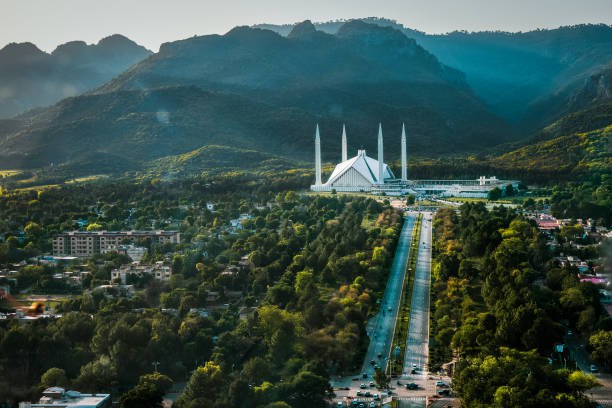
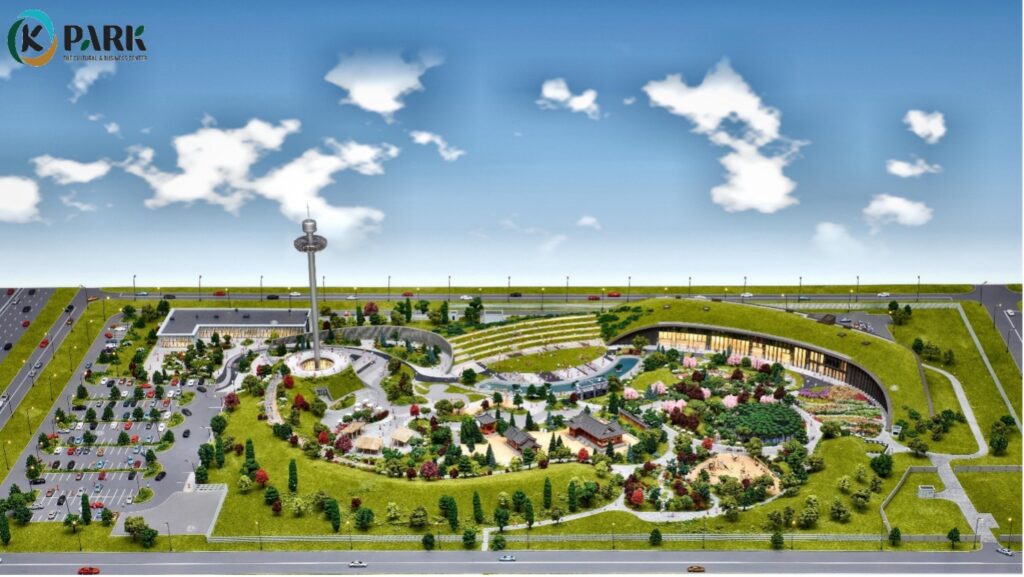
Uzbekistan and Pakistan are exploring new avenues for cooperation in urban development, with discussions underway to construct a “New Uzbekistan” residential complex and park in Pakistan's capital Islamabad. The talks were reported by the Dunyo news agency following a meeting between Uzbekistan’s Ambassador to Pakistan Alisher Tukhtaev and representatives of Pakistani developer Habib Rafiq Pvt. Ltd. According to Dunyo, both sides discussed launching joint initiatives and strengthening long-term partnerships. Tukhtaev briefed the company’s leadership on Uzbekistan’s investment climate, including the role of free economic zones, the nationwide construction of New Uzbekistan residential areas, and the ongoing New Tashkent city project. He also highlighted the tax and customs incentives available to foreign investors, administrative support for large-scale developments, and Uzbekistan’s strategic location along key Eurasian transport corridors. Habib Rafiq’s General Manager, Aslam Malik, praised Uzbekistan’s reform efforts, stating that they offer “very favorable conditions for foreign investors, especially in construction and infrastructure.” He noted that simplified procedures and expanded business guarantees are already yielding results. “We are well aware of the changes taking place in Uzbekistan’s construction sector,” Malik said. “In recent years, the country has gained substantial experience in infrastructure development, modern housing, and new urban planning. We are interested in studying this experience and participating in future projects.” The Pakistani side also showcased its flagship Capital Smart City development, a large-scale project near Islamabad covering 2,800 hectares. The complex already features residential buildings, schools, kindergartens, sports facilities, and modern recreational parks. Construction is also underway on Silicon Village, envisioned as a local version of Silicon Valley. Malik proposed establishing a New Uzbekistan residential area and park within Capital Smart City, contributing to projects in New Tashkent, and organizing leadership visits to Uzbekistan. He also invited leading Uzbek construction companies to participate in projects in Pakistan. Abid Kabir Chima, CEO of Silicon Village, expressed interest in expanding cooperation with Uzbekistan’s technopark.