• KGS/USD = 0.01143 0%
  • KZT/USD = 0.00202 0%
  • TJS/USD = 0.10599 -0.19%
  • UZS/USD = 0.00008 0%
  • TMT/USD = 0.28575 0%
  • KGS/USD = 0.01143 0%
  • KZT/USD = 0.00202 0%
  • TJS/USD = 0.10599 -0.19%
  • UZS/USD = 0.00008 0%
  • TMT/USD = 0.28575 0%
  • KGS/USD = 0.01143 0%
  • KZT/USD = 0.00202 0%
  • TJS/USD = 0.10599 -0.19%
  • UZS/USD = 0.00008 0%
  • TMT/USD = 0.28575 0%
  • KGS/USD = 0.01143 0%
  • KZT/USD = 0.00202 0%
  • TJS/USD = 0.10599 -0.19%
  • UZS/USD = 0.00008 0%
  • TMT/USD = 0.28575 0%
  • KGS/USD = 0.01143 0%
  • KZT/USD = 0.00202 0%
  • TJS/USD = 0.10599 -0.19%
  • UZS/USD = 0.00008 0%
  • TMT/USD = 0.28575 0%
  • KGS/USD = 0.01143 0%
  • KZT/USD = 0.00202 0%
  • TJS/USD = 0.10599 -0.19%
  • UZS/USD = 0.00008 0%
  • TMT/USD = 0.28575 0%
  • KGS/USD = 0.01143 0%
  • KZT/USD = 0.00202 0%
  • TJS/USD = 0.10599 -0.19%
  • UZS/USD = 0.00008 0%
  • TMT/USD = 0.28575 0%
  • KGS/USD = 0.01143 0%
  • KZT/USD = 0.00202 0%
  • TJS/USD = 0.10599 -0.19%
  • UZS/USD = 0.00008 0%
  • TMT/USD = 0.28575 0%
14 February 2026

Viewing results 1 - 6 of 7

Bishkek’s Air Pollution Crisis Comes Under Parliamentary Scrutiny

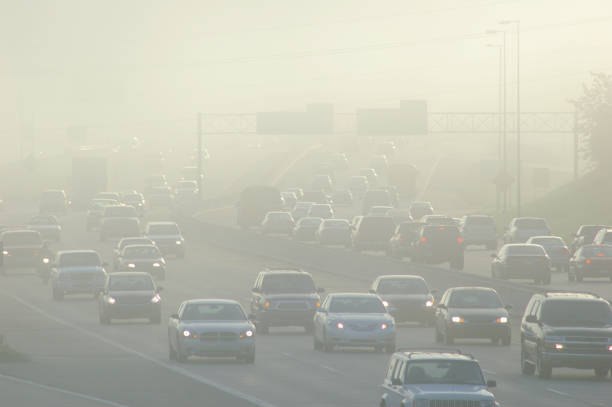
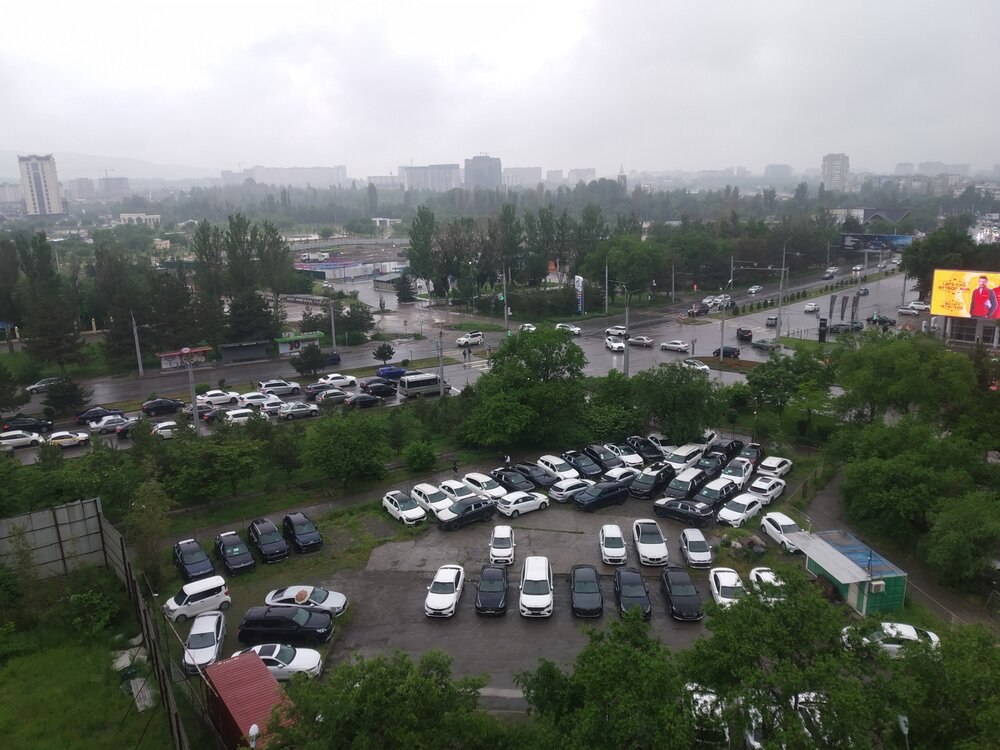
On February 2, Kyrgyzstan’s parliamentary committee on ecology and environmental protection convened to hear reports from senior officials on the worsening air pollution and winter smog in the capital. Air pollution remains a chronic challenge in Bishkek, a city of over one million residents. Conditions worsen sharply in winter, when widespread coal burning for heating and emissions from an aging vehicle fleet accumulate in the city’s basin-like topography. Bishkek consistently ranks among the world’s 10 most polluted cities on IQAir’s global air quality index. In January 2026 alone, the city appeared in the top five on at least eight separate days. Minister of Natural Resources, Ecology, and Technical Supervision Meder Mashiev told lawmakers that the primary sources of pollution are household coal burning (40%), vehicle emissions (30%), the city’s coal-fired thermal power plant (15%), wind-blown dust (13.5%), and industrial activity (1.5%). Mashiev underscored that vehicle emissions are a particularly significant contributor to the city’s smog. According to Mashiev, Kyrgyzstan has more than 1.9 million vehicles, a 13% increase compared to 2024. Of these, 972,000 run on gasoline, 339,000 on diesel, 56,900 on gas, and 37,000 are hybrids. Electric vehicles make up just 0.8% of the total, numbering around 15,200. An estimated 600,000-700,000 vehicles, more than 30% of the national total, are located in Bishkek. More than half are over 15 years old, contributing significantly to harmful emissions. Jarkynbek Kasymbekov, Director of the National Institute of Public Health, outlined the health implications. He reported a 2.5-fold increase in allergic rhinitis cases nationwide, particularly among young people, a trend he linked directly to poor air quality. While long-term studies are lacking, the rise in respiratory illnesses is well documented. Mashiev highlighted several measures taken in 2025 to address the crisis. Fifty-four residential areas in Bishkek were connected to natural gas, enabling more than 51,000 households to switch from coal heating. This transition is estimated to have reduced coal consumption in the capital by 100,000 tons. He also reported the long-awaited extinguishing of Bishkek’s decades-old smoldering landfill. A new waste-to-energy facility has been launched at the site, now generating electricity by incinerating solid waste. Additional efforts are underway to modernize urban transport and expand green spaces. “Work is currently underway to transition to environmentally friendly transport. A total of 1,447 gas-powered eco-buses and 120 electric buses now operate in Bishkek. There are already more than 100 electric charging stations in the city, and over 2,000 applications for new stations are under review,” Mashiev said. Bishkek Mayor Aibek Junushaliev added that 18,000 trees were planted in the capital last year, with plans to plant another 50,000 in 2026. Parliamentary committee chairman Bakyt Tentishev raised concerns about vehicles operating without catalytic converters. Kyrgyzstan is preparing to tighten environmental regulations on motor vehicles. A draft law currently under public discussion would mandate the presence and functionality of catalytic converters in vehicles originally manufactured with them. The absence of these devices significantly increases toxic emissions and fuel consumption, posing direct risks to public health.

Tashkent’s Air Pollution Crisis Sparks Public Concern and Expert Warnings

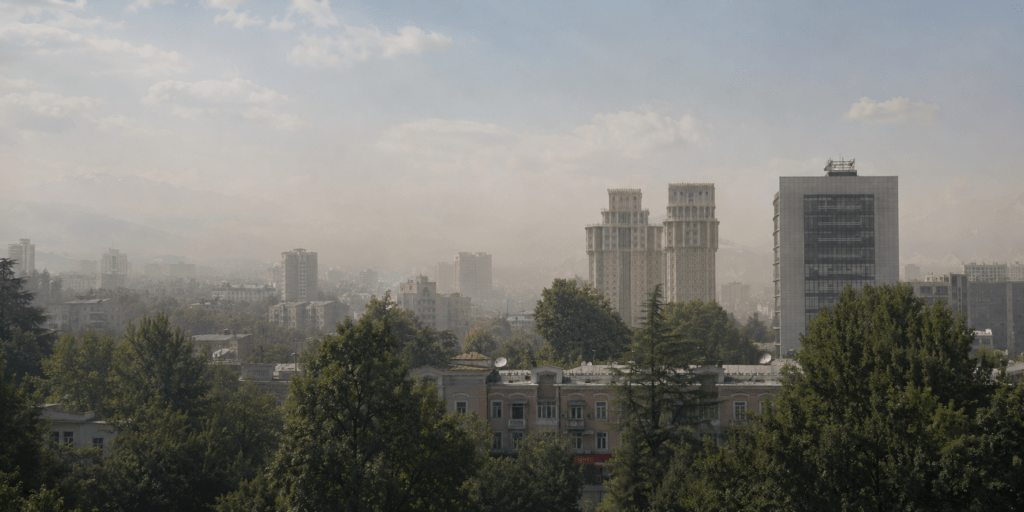
On November 20, local media reported that Tashkent briefly topped the global air pollution rankings compiled by IQAir, drawing urgent public attention to the capital’s worsening environmental conditions. According to IQAir, the city’s PM2.5 concentration reached 229 at 10:51 a.m. on November 21, placing Tashkent behind only Delhi and Lahore for hazardous air quality. Experts Warn of Long-Term Mismanagement Behind Toxic Air Environmental specialists attribute the crisis to deep-rooted structural mismanagement. Environmental advocate Mutabar Khushvaktova cited IQAir’s breakdown of primary pollution sources: summer dust storms (36%), heating systems running on coal and fuel oil in autumn and winter (28%), vehicle emissions (16%), and industrial activity (13%). Khushvaktova argued that ineffective oversight across construction, industry, transportation, and urban development has contributed to the current crisis. “Even after the Ministry of Ecology was established, conditions did not improve. Initially, the ministry reacted defensively to criticism but then stopped responding altogether. If this continues, public frustration will intensify and the economy will suffer. Illness will increase, productivity will fall, hospitals will be overwhelmed, and skilled professionals may leave the country,” she warned. She outlined several urgent steps: increased government transparency, expert-led planning, strict protection of green zones, enhanced oversight of construction sites, mandatory filtration at industrial plants, and boosted funding for water and glacier research. She also emphasized safeguarding forests, reservoirs, and nature reserves from tourism-related development and called for full reform of Tashkent’s landscaping department. “We need stable urban ecosystems, modern irrigation systems, restored canals, and composting initiatives. This work must be done in close cooperation with the Ecology Committee,” she said. Families in Tashkent Voice Growing Health Concerns Madina Mo‘minova, a writer and filmmaker known for her work on environmental themes in children’s literature, expressed grave concern for families in the capital. “Air quality in Uzbekistan, especially in Tashkent, has reached an unbearable level,” she said. “I fear for my children and grandchildren. People are afraid to open their windows or even go outside. Many are already thinking about leaving.” Mo‘minova noted that while the government has taken preliminary steps, the response needs to be more comprehensive and sustainable. “Greenhouses shouldn’t just be shut down, they need access to clean energy sources like natural gas to prevent recurring pollution after every inspection. We want to live in a safe, healthy country, not one teetering on ecological collapse,” she said. Urban Planners Call for Infrastructure Restoration and Stricter Oversight Temur Akhmedov, an expert on green urban development, stressed the importance of rehabilitating traditional infrastructure. “Restoring canals should be the top priority in Tashkent and other cities,” he said. “In many areas, the damage is extensive, but we must recover what we can.” He also advocated for halting new construction until a comprehensive environmental strategy is in place, along with enforcing dust-control measures at existing sites. These environmental concerns coincide with accelerated urban development plans. On November 20, President Shavkat Mirziyoyev signed a decree aimed at stabilizing the housing and mortgage markets. The initiative includes plans to double annual housing construction by 2040, reaching 421,000...

Kazakhstan’s Karaganda Among World’s Most Polluted Cities as Central Asia Struggles with Air Quality

Kazakhstan’s Karaganda - the heartland of the nation's coal and metallurgical industries - was ranked as the world’s third most polluted city in 2024, according to the 2024 World Air Quality Report released by IQAir.  The report evaluates global air quality for 2024, presenting PM2.5 air pollution data collected from 8,954 cities across 138 countries, regions, and territories. PM2.5, or fine particulate matter, is measured in micrograms per cubic meter (µg/m³) and is a key indicator of air pollution. Karaganda recorded an annual average PM2.5 concentration of 104.8 µg/m³ in 2024. In comparison, Byrnihat, India, the world's most polluted city, had an average PM2.5 concentration of 128.2 µg/m³. Central Asian Cities in the Global Ranking Among the world’s most polluted cities, Central Asia’s major cities ranked as follows: Dushanbe, Tajikistan - 176th, PM2.5: 46.3 µg/m³ Tashkent, Uzbekistan - 510th, PM2.5: 31.4 µg/m³ Bishkek, Kyrgyzstan - 1009th, PM2.5: 21.2 µg/m³ Almaty, Kazakhstan - 1072nd, PM2.5: 20.3 µg/m³ Astana, Kazakhstan - 1608th, PM2.5: 15.4 µg/m³ Kazakhstan’s Regional Air Quality Standing In the ranking of the world's most polluted countries, Kazakhstan had the best air quality in Central Asia, ranking 71st globally. Other regional rankings were: Tajikistan - 6th most polluted country Uzbekistan - 19th Turkmenistan - 26th Kyrgyzstan - 41st Global Air Pollution Trends According to the report, only 17% of global cities met the World Health Organization (WHO) air pollution guideline for PM2.5. The seven countries that met the WHO’s annual average PM2.5 guideline of 5 µg/m³ were: Australia Bahamas Barbados Estonia Grenada Iceland New Zealand The five most polluted countries in 2024 were: Chad – 91.8 µg/m³ (more than 18 times higher than the WHO guideline) Bangladesh – 78.0 µg/m³ (more than 15 times higher) Pakistan – 73.7 µg/m³ (more than 14 times higher) Democratic Republic of the Congo – 58.2 µg/m³ (more than 11 times higher) India – 50.6 µg/m³ (more than 10 times higher) A total of 126 out of 138 countries (91.3%) exceeded the WHO’s annual PM2.5 guideline of 5 µg/m³. Air Pollution’s Impact on Human Health The report underscores that air pollution remains the greatest environmental threat to human health. According to the WHO, 99% of the global population lives in areas that do not meet recommended air quality levels. Air pollution is the second leading global risk factor for death and the second leading cause of death among children under five, following malnutrition. The health effects of air pollution include respiratory diseases, developmental issues, and increased mortality. In 2021 alone, 8.1 million deaths were attributed to air pollution, with 58% of those deaths caused by ambient PM2.5 pollution.