
• KZT/USD = 0.00217
  • TJS/USD = 0.10820
  • UZS/USD = 0.00008
  • TMT/USD = 0.29850
  • KZT/USD = 0.00217
  • TJS/USD = 0.10820
  • UZS/USD = 0.00008
  • TMT/USD = 0.29850
  • KZT/USD = 0.00217
  • TJS/USD = 0.10820
  • UZS/USD = 0.00008
  • TMT/USD = 0.29850
  • KZT/USD = 0.00217
  • TJS/USD = 0.10820
  • UZS/USD = 0.00008
  • TMT/USD = 0.29850
  • KZT/USD = 0.00217
  • TJS/USD = 0.10820
  • UZS/USD = 0.00008
  • TMT/USD = 0.29850
  • KZT/USD = 0.00217
  • TJS/USD = 0.10820
  • UZS/USD = 0.00008
  • TMT/USD = 0.29850
  • KZT/USD = 0.00217
  • TJS/USD = 0.10820
  • UZS/USD = 0.00008
  • TMT/USD = 0.29850
  • KZT/USD = 0.00217
  • TJS/USD = 0.10820
  • UZS/USD = 0.00008
  • TMT/USD = 0.29850
25 November 2026

Viewing results 1 - 6 of 2

Switzerland to Return $252.5 Million to Uzbekistan in Gulnara Karimova Case

Switzerland will return $252.5 million in confiscated assets to Uzbekistan for healthcare and education under an agreement the two countries approved on November 24. The assets are linked to a corruption case involving Gulnara Karimova, daughter of former Uzbek President Islam Karimov. The United Nations (UN) will administer the money through the Ishonch (Trust) Fund. Rural communities and others with limited access to services will have priority. The plan calls for better care for children and adolescents and wider access to treatment for certain cancers. It also provides for disease prevention and early diagnosis. The education budget covers new schools and digital technology for classrooms. Both teachers and medical staff will receive training. Swiss prosecutors accused Karimova of accepting bribes from foreign telecommunications companies seeking access to the Uzbek market. In April 2026, Switzerland’s Federal Criminal Court discontinued proceedings against her on procedural grounds. Karimova is in prison in Uzbekistan, and the court saw no prospect of her release or extradition to Switzerland before the statute of limitations expired. In its July ruling, the court also ordered the confiscation of assets worth more than 400 million Swiss francs. Uzbekistan and Switzerland established the fund with the UN in 2022 to return confiscated assets for the benefit of the Uzbek public. The first agreement covered about $131 million, and the two countries agreed on a further $182 million in February 2025. In October 2026, Uzbekistan’s Ministry of Justice announced a third agreement for about $21.6 million. UN agencies and the World Bank can carry out projects with the Uzbek government. The fund’s rules provide for public participation in project selection and oversight. During its initial phase, the fund allocated $87 million to healthcare and education. Half went to a maternal and newborn health program that reached all 231 perinatal centers in Uzbekistan before it ended in April 2026. The program spent nearly $31 million on medical equipment and supplies, including neonatal incubators and ventilators. About 87,000 healthcare workers received training. In 2025, Uzbekistan launched a $20 million project to upgrade 45 rural schools with funds returned by Switzerland. The work includes better heating as well as improvements to water and sanitation services. Organizers expect 31,500 students to benefit.
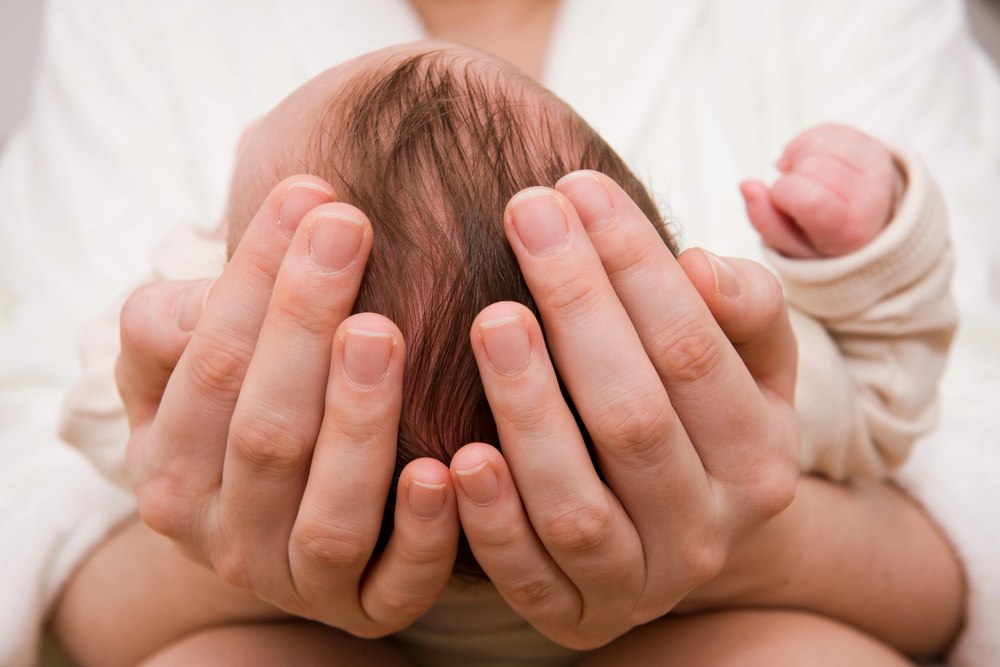

Uzbekistan Completes First Ishonch Fund Health Project for Maternal and Newborn Care

Uzbekistan has completed the first healthcare program financed through the Ishonch Fund, a mechanism established under the restitution agreement between Uzbekistan and Switzerland to channel returned assets into public development projects. The initiative invested $43.5 million in maternal and newborn healthcare across the country, marking the fund’s first large-scale use for social sector reform, the Ministry of Economy and Finance said. The project, “Every Mother and Child Survives and Thrives: Reducing Preventable Maternal and Newborn Deaths in 227 Perinatal Centres of Uzbekistan,” was launched in September 2023. It officially concluded at a June 25 ceremony attended by representatives of Uzbekistan’s government, the Swiss Embassy, United Nations agencies, and international development partners. Implemented jointly by UNICEF, UNFPA, and the World Health Organization, the program focused on modernizing perinatal services, upgrading medical infrastructure, and improving the skills of healthcare professionals. More than 231 perinatal healthcare facilities across Uzbekistan received modern medical equipment, including advanced incubators, respiratory support systems, anesthesia machines, and other life-saving devices. Around $31 million of the project’s budget was dedicated to purchasing and installing this equipment, expanding the capacity of hospitals to care for mothers with high-risk pregnancies and newborns requiring intensive treatment. Investment also extended to the country’s medical workforce. More than 80,000 healthcare professionals completed specialized training in modern perinatal care, high-risk pregnancy management, neonatal intensive care, and laboratory diagnostics. The program also supported the development and revision of 49 national clinical protocols, helping align maternal and newborn care with international medical standards. Public outreach formed another major part of the initiative. Nationwide awareness campaigns encouraging women to receive regular antenatal care reached nearly 20 million people, while improved maternal and perinatal healthcare services benefited almost four million citizens. According to monitoring data presented at the closing event, the share of preventable maternal deaths declined from 77.3% in 2022 to 62.8%, a decrease of 14.5 percentage points. Survival rates among newborns, particularly babies born with extremely low birth weight, increased by around 13% during the life of the program. Regina Castillo, UNICEF Representative in Uzbekistan, said the results demonstrate what can be achieved through cooperation between Uzbekistan’s government, Switzerland, civil society, and UN agencies. “The introduction of modern medical equipment and advanced clinical practices in hundreds of perinatal facilities has significantly expanded access to high-quality maternal and newborn healthcare services across the country,” she said. Swiss Ambassador Konstantin Obolensky linked the project to Switzerland’s asset restitution priorities. “The restitution of illicitly acquired assets and their transparent and accountable use remain among Switzerland’s key priorities,” Obolensky said. “The Ishonch Fund serves as a practical example of how returned assets can directly improve people’s quality of life.” Deputy Minister of Economy and Finance Otabek Fazilkarimov said the effective use of restituted assets plays an important role in developing human capital and advancing reforms in the social sector. The Ishonch Fund finances development programs implemented by UN agencies under the oversight of representatives from both governments, the UN, and civil society. As previously reported by The Times of Central Asia,...