
• KZT/USD = 0.00220
  • TJS/USD = 0.10830
  • UZS/USD = 0.00008
  • TMT/USD = 0.29760
  • KZT/USD = 0.00220
  • TJS/USD = 0.10830
  • UZS/USD = 0.00008
  • TMT/USD = 0.29760
  • KZT/USD = 0.00220
  • TJS/USD = 0.10830
  • UZS/USD = 0.00008
  • TMT/USD = 0.29760
  • KZT/USD = 0.00220
  • TJS/USD = 0.10830
  • UZS/USD = 0.00008
  • TMT/USD = 0.29760
  • KZT/USD = 0.00220
  • TJS/USD = 0.10830
  • UZS/USD = 0.00008
  • TMT/USD = 0.29760
  • KZT/USD = 0.00220
  • TJS/USD = 0.10830
  • UZS/USD = 0.00008
  • TMT/USD = 0.29760
  • KZT/USD = 0.00220
  • TJS/USD = 0.10830
  • UZS/USD = 0.00008
  • TMT/USD = 0.29760
  • KZT/USD = 0.00220
  • TJS/USD = 0.10830
  • UZS/USD = 0.00008
  • TMT/USD = 0.29760
12 October 2026

Viewing results 1 - 6 of 2

ISKP and Central Asia: How the Threat Extends Beyond Afghanistan’s Borders

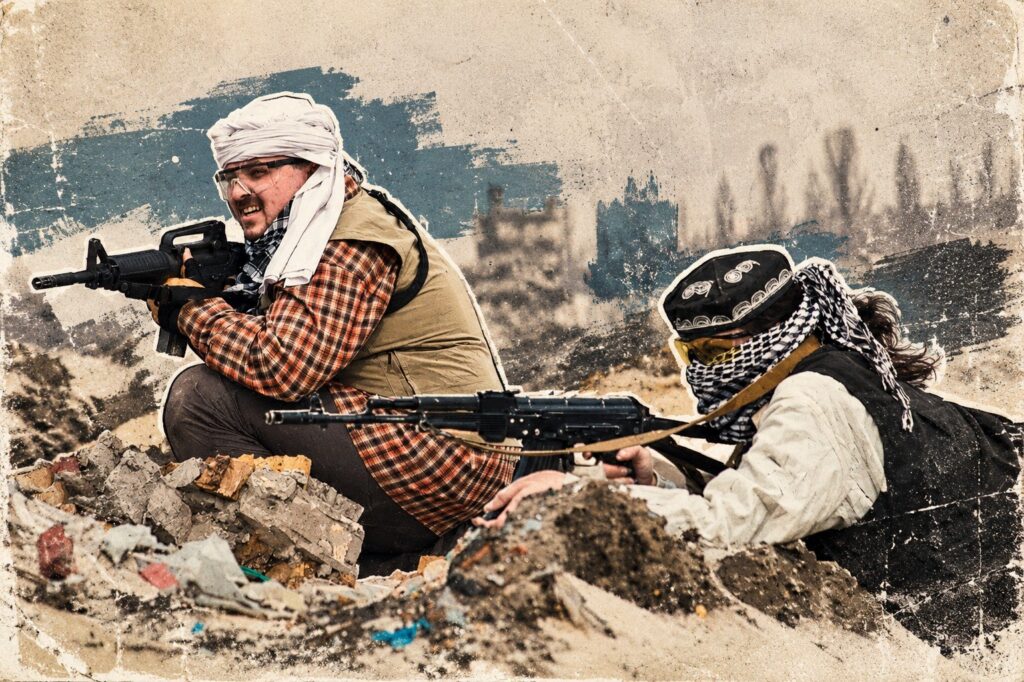
Islamic State Khorasan Province (ISKP) is developing transnational networks, complicating assessments of the threat to Central Asia. The group also retains territorial ambitions. One conventional way to assess the threat is to look at a map: the situation in Afghanistan’s northern provinces, their proximity to the borders of Tajikistan, Uzbekistan, and Turkmenistan, the number of militants, and the possibility of infiltration into neighboring states. An August report by the United Nations (UN) Security Council’s Analytical Support and Sanctions Monitoring Team, based on information received through June 9, said the ability of terrorist groups to operate in Afghanistan remained an enduring threat to neighboring countries and Central Asia. The report also said ISKP had reportedly moved toward northern Afghanistan. During the period under review, the group suffered serious setbacks amid Taliban and Pakistani operations and was in the process of rebuilding. But looking only at Afghanistan’s borders is no longer enough. The Central Asian dimension of ISKP encompasses the group’s activities in Afghanistan, risks to the five Central Asian states themselves, and the involvement of some individuals from the region in transnational networks operating outside it. Old Networks and New Structures ISKP’s Central Asian dimension did not emerge from nowhere. Even before the group appeared in the Afghanistan-Pakistan region, armed organizations formed by people from Central Asia were active there. Among them was the Islamic Movement of Uzbekistan (IMU). At different times, the IMU maintained ties with al-Qaeda and the Taliban. In 2014, the Islamic State declared a “caliphate.” A year later, a faction of the IMU pledged allegiance to the Islamic State. Lucas Webber, a researcher of extremist networks, and Bruce Pannier, a longtime analyst of Central Asian politics and security, have highlighted the role of an Uzbek-language propaganda infrastructure associated with the IMU in ISKP’s outreach to Central Asian audiences. Their analysis was published by the Global Network on Extremism and Technology (GNET). The region’s older militant organizations have not simply been absorbed into ISKP. A July 2025 UN report separately mentions IMU members and fighters from other groups being used by Afghanistan’s Taliban authorities in law-enforcement and army units. A single “Central Asian network,” however, would misrepresent this fragmented environment of different connections and organizational affiliations. The same report described the recruitment of people from Central Asia, their significant presence among ISKP’s rank and file, and the group’s attempts to operate outside Afghanistan. In a 2024 article for CTC Sentinel, researchers Noah Tucker and Edward Lemon examined the involvement of Tajik citizens in a number of ISKP-linked attacks and networks. They argued that the recent surge in attacks and arrests was partly the “long tail” of the earlier Islamic State mobilization, including networks that had persisted after it. A February 2026 report by the UN Security Council’s Analytical Support and Sanctions Monitoring Team said ISKP continued to develop a network of cells capable of projecting a threat across the region and internationally. Propaganda Does Not Equal Mass Support Central Asian audiences occupy a noticeable place in ISKP propaganda....

From Migrant to Militant: Uzbekistan Sentences Jihadist

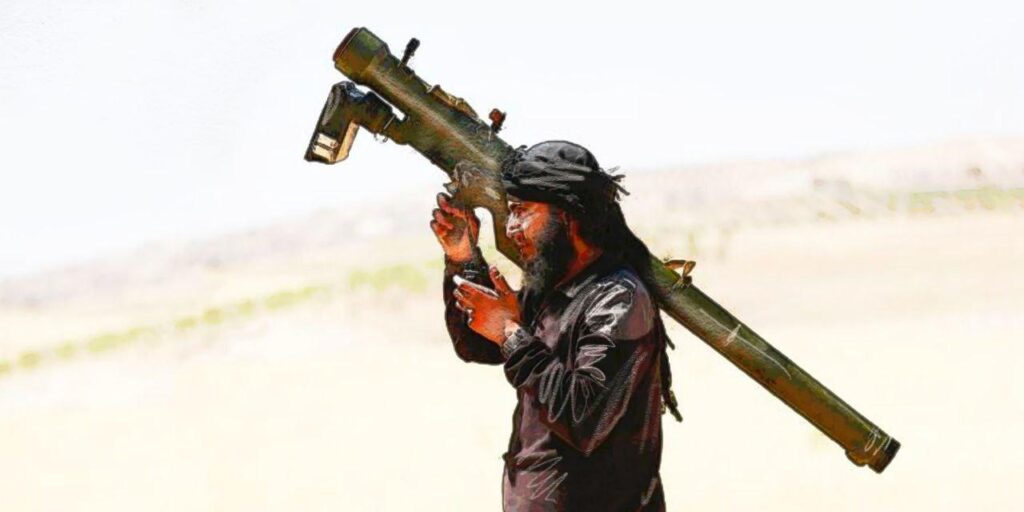
A district court in Uzbekistan just sentenced a 46-year-old Uzbek citizen, Obid Saparov from Kashkadarya Province, to 16 years in prison for joining the Islamic State of Khorasan Province (ISKP) militant group and being involved in a 2022 rocket attack on an Uzbek border city. Saparov’s involvement with Islamic militant groups predates the rocket attack by nearly a decade, and the evidence gathered by investigators offers a rare and fascinating look at this Uzbek citizen’s journey into jihadism. From Migrant Laborer to Islamic Militant The beginnings of Saparov’s radicalization are a common story for hundreds of Central Asian citizens who joined militant groups in the Middle East or Afghanistan. Saparov went to Ufa, Russia, as a migrant laborer in June 2013. He found audio and video material on the internet produced by extremist groups such as the Islamic Movement of Turkestan and the “Jihodchilar” (“Jihadists). Saparov came into contact with members of the Jihadists in Ufa and in August 2013 left Russia for Baku, and from there went to Zahedan, Iran, and in March 2014 crossed into Afghanistan and eventually reached the town of Mirali in Waziristan, Pakistan. There, according to Uzbek media reports, he joined the Islamic Movement of Turkestan. The name of this group is interesting because in a kun.uz report, it mentions that when Saparov was in Ufa, some of the extremist material he found online was based on the ideas of Tohir Yuldash. Yuldash helped found the Islamic Movement of Uzbekistan (IMU) terrorist organization and led the group until he was killed in a U.S. drone strike in Pakistan in August 2009. The IMU aimed to overthrow the Uzbek government and staged armed incursions into Uzbekistan in 1999 and 2000. The IMU were allies of the Taliban and were in Afghanistan when the U.S.-led military operations started in late 2001. The IMU suffered heavy losses, and the remnants of the group, including Yuldash, fled across the border into Pakistan. Ten Years of Militancy Saparov underwent training at camps in Pakistan after he arrived, and later worked in a militant “supply center.” According to the Uzbek media reports, the Islamic Movement of Turkestan splintered at the start of 2016, and Saparov joined a militant group from the Islamic State that was operating in Jalalabad, Afghanistan. The IMU was still based in Pakistan in August 2015 when its leader, Usman Ghazi, swore an oath to the Islamic State, and the IMU split. Part of the IMU followed Ghazi into Afghanistan (where most were killed in fighting in Zabul and Herat provinces), and most of the others went into northeastern Afghanistan. However, the ISKP did have a presence in Jalalabad that lasted until after the Taliban returned to power in August 2021. Uzbek investigators said Saparov joined the ISKP and was with the group from 2016 to 2024. Saparov was involved in staging attacks in Jalalabad, Kunduz, Mazar-i-Sharif, and Kabul. Saparov’s group fought against the Afghan government and foreign troops, and against the Taliban. Saparov was also engaged in...