
• KGS/USD = 0.01144 0%
  • KZT/USD = 0.00206 0%
  • TJS/USD = 0.10760 0%
  • UZS/USD = 0.00008 0%
  • TMT/USD = 0.28571 0%
  • KGS/USD = 0.01144 0%
  • KZT/USD = 0.00206 0%
  • TJS/USD = 0.10760 0%
  • UZS/USD = 0.00008 0%
  • TMT/USD = 0.28571 0%
  • KGS/USD = 0.01144 0%
  • KZT/USD = 0.00206 0%
  • TJS/USD = 0.10760 0%
  • UZS/USD = 0.00008 0%
  • TMT/USD = 0.28571 0%
  • KGS/USD = 0.01144 0%
  • KZT/USD = 0.00206 0%
  • TJS/USD = 0.10760 0%
  • UZS/USD = 0.00008 0%
  • TMT/USD = 0.28571 0%
  • KGS/USD = 0.01144 0%
  • KZT/USD = 0.00206 0%
  • TJS/USD = 0.10760 0%
  • UZS/USD = 0.00008 0%
  • TMT/USD = 0.28571 0%
  • KGS/USD = 0.01144 0%
  • KZT/USD = 0.00206 0%
  • TJS/USD = 0.10760 0%
  • UZS/USD = 0.00008 0%
  • TMT/USD = 0.28571 0%
  • KGS/USD = 0.01144 0%
  • KZT/USD = 0.00206 0%
  • TJS/USD = 0.10760 0%
  • UZS/USD = 0.00008 0%
  • TMT/USD = 0.28571 0%
  • KGS/USD = 0.01144 0%
  • KZT/USD = 0.00206 0%
  • TJS/USD = 0.10760 0%
  • UZS/USD = 0.00008 0%
  • TMT/USD = 0.28571 0%

Viewing results 1 - 6 of 5

Kazakh MP Calls for a Legislative Ban on Radical Religious Movements

Kazybek Isa, a deputy of the Mazhilis (Kazakhstan's lower house of parliament ), has called for a legislative ban on radical religious movements, arguing that their spread poses a threat to social stability and national security. In a parliamentary inquiry addressed to the government and law enforcement agencies, Isa stated that the ability of such groups to recruit followers could undermine social cohesion and national values. “A legislative ban on radical religious movements is a matter of national security. Such movements threaten social stability, and the state is obligated to protect its citizens from their influence,” the deputy said. He added that the proposed measures are not aimed at religion itself, but at organizations promoting what he described as destructive ideologies. Several recent high-profile incidents prompted the inquiry. In March 2026, a blogger criticized the celebration of Nauryz, describing it as “not a Kazakh or Muslim holiday." He was subsequently detained, and a criminal case was opened against him on charges of inciting religious discord. In a separate case, a YouTube interview circulated featuring a man presenting himself as an imam who claimed to have given his second wife to a student. Following public backlash, he was held administratively liable and fined. According to Isa, existing regulations governing extremist and radical organizations are dispersed across multiple legal acts and are not always effectively enforced. He proposed developing a more comprehensive legislative framework focused on prevention. The deputy also raised concerns about compliance with laws regulating face-covering clothing. He referred to a court case in Aktobe in which the defendants’ wives attended hearings wearing niqabs, arguing that this highlighted the need for stricter enforcement of identification requirements. Kazakhstan previously adopted legislation on the prevention of offenses that includes fines for wearing clothing that conceals the face and hinders identification in public places, including niqabs. Isa further called for tighter oversight of individuals acting as religious preachers and questioned the role of the Spiritual Administration of Muslims of Kazakhstan in preventing the spread of radical ideologies. He warned that individuals presenting themselves as religious mentors may contribute to social polarization and the recruitment of young people into radical movements. As previously reported by The Times of Central Asia, in recent years, Kazakhstani authorities have strengthened measures to counter religious extremism, including efforts to prevent radicalization and curb the spread of extremist ideologies.

Tajik Asylum Seeker Wins UK Appeal Over Fear of Forced Beard Shaving

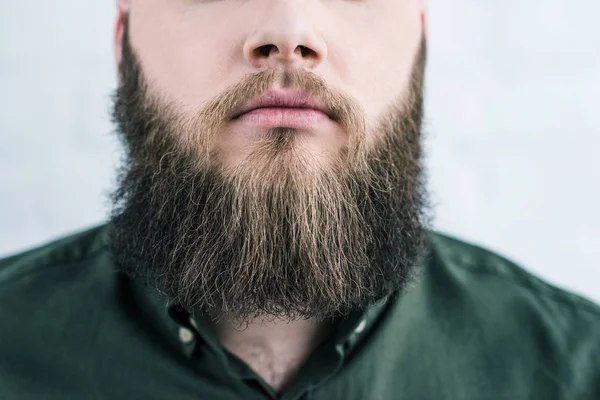
A Tajik man has been granted the right to remain in the United Kingdom after successfully arguing that he would face persecution in his home country for refusing to shave his beard. The case, first reported by The Telegraph, underscores how personal religious expression can form the basis of asylum claims. The asylum seeker, whose identity remains undisclosed, had his initial claim rejected by the UK Home Office. On appeal, he argued that Tajik authorities routinely detain bearded men, forcibly shave them, and collect their fingerprints. He maintained that he would only shave his beard out of fear of harm, not due to personal preference or societal expectations. Tajikistan has in recent years pursued an unofficial campaign linking beards to religious extremism. A BBC investigation found that in one region alone, police forcibly shaved nearly 13,000 men as part of an “anti-radicalisation” drive. Human Rights Watch has similarly documented cases of men with beards being detained, fingerprinted, and groomed under duress. The appellant’s legal team contended that his beard is a core element of his religious identity as a practicing Muslim, and that being compelled to shave it under threat would constitute a violation of his human rights. The appeal was evaluated under Article 3 of the European Convention on Human Rights, which prohibits torture and inhuman or degrading treatment. In his ruling, Deputy Judge Parminder Saini of the UK’s Upper Tribunal stated that the initial judge failed to adequately assess the true reasons the man would remove his beard. “If he wears a beard out of religious conviction but will conform for reasons of securing his safety, he may be entitled to international protection,” Saini wrote. The judge also noted that credible background evidence, such as widespread reports of arbitrary detentions and forced grooming, had not been properly considered in the original decision. “Thousands of Tajik men have had their beards forcibly shaved. These examples were relevant and should have informed the tribunal’s decision,” he added. The case has been remanded to the First-tier Tribunal for a fresh hearing. This ruling illustrates how deeply personal expressions of faith, such as maintaining a beard, can warrant legal protection when in conflict with state practices in the country of origin. It also reflects the complex legal and evidentiary hurdles asylum seekers must overcome to prove a credible fear of persecution.

Bans and Beliefs: Understanding Central Asia’s Most Controversial Restrictions

A recent controversy involving the Spiritual Administration of Muslims of Kazakhstan (SAMK) has reignited public debate over seemingly bizarre bans in Central Asia. SAMK was asked to comment on whether popular video games such as Counter-Strike 2, Dota 2, GTA, League of Legends, Minecraft, and Genshin Impact are permissible under Islamic law. SAMK responded that, from a Sharia perspective, all of these games are prohibited. The public interpreted this as an official ban, possibly even a fatwa, sparking a media uproar. But the reaction wasn’t unfounded: Central Asian republics often make headlines with prohibitions that, from the outside, can appear surreal. Yet, context often provides a more nuanced explanation. Turkmenistan: The Regional Champion of Bans Turkmenistan remains unmatched in its record of curious restrictions. Under its first president, Saparmurat Niyazov, the state banned smoking in cars, mobile phones, radios, stereo systems, clowns, and lip-syncing. Public smoking was also prohibited, and officials were barred from having gold teeth. Other bans targeted personal appearance. Men were forbidden from wearing long hair, beards, or mustaches, while makeup was banned for television presenters. Niyazov justified the latter by claiming it was difficult to distinguish men from women on screen and that Turkmen women’s natural “wheat-colored” complexion should be visible. Cultural life was similarly curtailed. Niyazov abolished ballet, opera, the circus, and even the national folk dance ensemble. “I don’t understand ballet. Why do I need it?” he said. “You can’t instill a love for ballet in Turkmen people if it’s not in their blood”. His successor, Gurbanguly Berdimuhamedov, retained many of these restrictions, particularly the sweeping limitations on internet access. According to Turkmen.news, as of 2023, approximately 75% of global IP addresses were blocked in Turkmenistan. The list of banned platforms includes Facebook, Instagram, TikTok, Telegram, YouTube, WhatsApp, and X (formerly Twitter). Cloud services such as Google Cloud, Microsoft Azure, and Dropbox are also blocked, along with most public DNS servers and online games such as Minecraft, Dota 2, and League of Legends. Dushanbe Follows Suit Kazakhstan and Turkmenistan are not alone in targeting video games. In 2024, the Interior Ministry in Tajikistan’s capital, Dushanbe, banned the distribution of games and video clips deemed violent or immoral. Authorities argued that such content negatively influenced youth behavior and contributed to crime. Games like Counter-Strike and GTA were explicitly named. Tajikistan has also imposed a range of non-digital bans. In 2018, the Committee for Architecture and Construction ordered that rooftops follow a citywide color scheme: green on one side of the river, burgundy on the other. The directive was short-lived. That same year, the mayor banned wearing house clothes, galoshes, and slippers in public, citing the need to uphold the capital’s dignity. The city also outlawed drying laundry on balconies to preserve the urban aesthetic. While these rules may seem odd, they reflect the ongoing transformation of societies that, until recently, were largely agrarian. Urbanization has brought with it an effort to instill new norms and behaviors. Sorcery, Beards, and Dress Codes This same logic applies...
