
• KGS/USD = 0.01144 0%
  • KZT/USD = 0.00191 -0%
  • TJS/USD = 0.10838 0.37%
  • UZS/USD = 0.00008 0%
  • TMT/USD = 0.28571 0.28%
  • KGS/USD = 0.01144 0%
  • KZT/USD = 0.00191 -0%
  • TJS/USD = 0.10838 0.37%
  • UZS/USD = 0.00008 0%
  • TMT/USD = 0.28571 0.28%
  • KGS/USD = 0.01144 0%
  • KZT/USD = 0.00191 -0%
  • TJS/USD = 0.10838 0.37%
  • UZS/USD = 0.00008 0%
  • TMT/USD = 0.28571 0.28%
  • KGS/USD = 0.01144 0%
  • KZT/USD = 0.00191 -0%
  • TJS/USD = 0.10838 0.37%
  • UZS/USD = 0.00008 0%
  • TMT/USD = 0.28571 0.28%
  • KGS/USD = 0.01144 0%
  • KZT/USD = 0.00191 -0%
  • TJS/USD = 0.10838 0.37%
  • UZS/USD = 0.00008 0%
  • TMT/USD = 0.28571 0.28%
  • KGS/USD = 0.01144 0%
  • KZT/USD = 0.00191 -0%
  • TJS/USD = 0.10838 0.37%
  • UZS/USD = 0.00008 0%
  • TMT/USD = 0.28571 0.28%
  • KGS/USD = 0.01144 0%
  • KZT/USD = 0.00191 -0%
  • TJS/USD = 0.10838 0.37%
  • UZS/USD = 0.00008 0%
  • TMT/USD = 0.28571 0.28%
  • KGS/USD = 0.01144 0%
  • KZT/USD = 0.00191 -0%
  • TJS/USD = 0.10838 0.37%
  • UZS/USD = 0.00008 0%
  • TMT/USD = 0.28571 0.28%
11 November 2025

Viewing results 1 - 6 of 4

Tajikistan’s Tigrovaya Balka Nature Reserve Under Threat

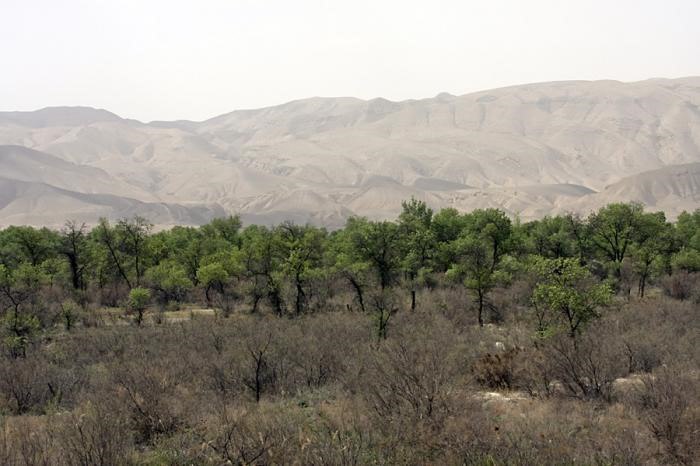
The International Union for Conservation of Nature (IUCN) has raised serious concerns about the condition of Tajikistan’s Tigrovaya Balka Nature Reserve, a UNESCO World Heritage site. The IUCN has classified the state of this rare ecosystem as “alarming,” citing deteriorating hydrological conditions and mounting risks to regional biodiversity. Located at the confluence of the Vakhsh and Panj rivers in southern Tajikistan, Tigrovaya Balka is home to Central Asia’s only remaining natural Tugai forest, a unique riparian ecosystem that depends on periodic flooding for its survival. The IUCN’s World Heritage Outlook uses four categories to assess sites: “good,” “good with some concerns,” “alarming,” and “critical.” In its latest report, the organization identifies water regulation on the Vakhsh River as the primary threat to the reserve. The construction of reservoirs and increased water extraction for agriculture have disrupted the seasonal floods that historically sustained the forest. Prior to the 1960s, before large-scale hydropower development began, spring floods replenished groundwater, restored ecosystems, and prevented soil erosion. Today, experts say, the Tugai forest relies almost entirely on surface runoff and drainage water, insufficient to maintain its ecological balance. The IUCN report notes that approximately one-third of the Vakhsh River’s flow is diverted for irrigation, while about 20% of the remaining water consists of chemically polluted wastewater. This contamination is degrading water quality across the reserve and contributing to the decline of rare aquatic species. “Pollution damages the aquatic ecosystem, and many species cannot withstand environmental changes,” the report states. The IUCN emphasizes that much of the available data is observational and requires further scientific validation. It recommends a comprehensive hydrological study that considers the effects of climate change to more accurately assess the threats facing the reserve and to develop effective conservation measures. Established on November 4, 1938, the Tigrovaya Balka Nature Reserve spans 49,700 hectares across the Dusti, Jaihun, and Kubodyon districts in the Khatlon region. Renowned for its natural beauty, it remains one of the Vakhsh Valley’s key ecological and tourist sites. The name “Tigrovaya Balka” (Russian for “Tiger Valley” or Beshaï Palangon in Tajik) commemorates the now-extinct Turanian tiger, which once roamed these lands. The last confirmed sighting of the species in the area dates back to the 1950s.

UNESCO Concerned About Plans to Develop Western Tien Shan

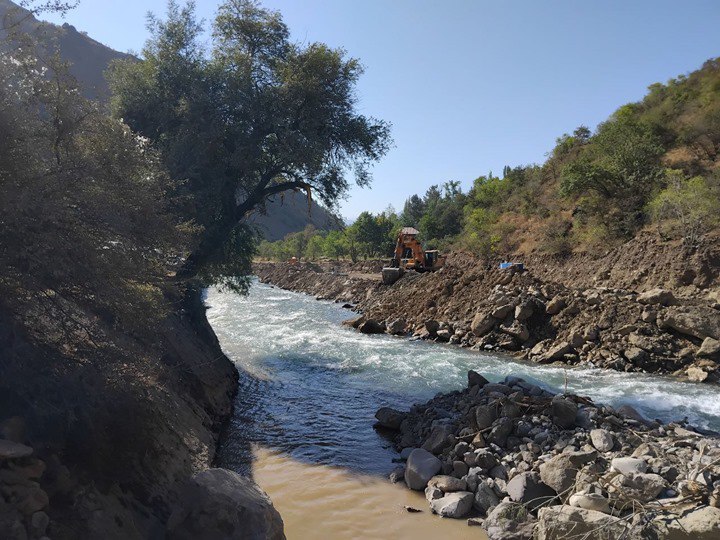
UNESCO has expressed concern over the plans of Kyrgyzstan, Kazakhstan, and Uzbekistan to develop natural areas of the Western Tien Shan, a World Natural Heritage site. This concern was realized after a visit by UNESCO and the International Union for Conservation of Nature (IUCN), which was a joint mission to these countries to assess the state of the site and the impact of economic activity on it. The public foundation (PF) “Rivers Without Borders” stated this in its report. According to UNESCO, the “Western Tien Shan” is a transboundary site in the Central Asian Tien Shan mountain system, one of the seven largest mountain ranges in the world. The altitude of different sections of the Western Tien Shan varies from 700 to 4503 meters. The site consists of diverse landscapes characterized by a vibrant biodiversity. The Western Tien Shan region is important globally as it is the birthplace of several fruit tree species and is characterized by diverse forest types and unique plant life. In Kyrgyzstan, evidence of the illegal mining of gold within the territory of the World Heritage Site was revealed. In addition, a powerful hydroelectric power plant is planned to be built on the Chatkal River, which may flood protected areas and disrupt the landscape. The construction of the Talas-Chatkal-Tashkent highway along the reservoir will only aggravate the ecological situation. In Kazakhstan, the authorities plan to build a cascade of hydropower plants on the Ugam River, which could destroy the current river ecosystem. Part of the river's flow will be directed through a 210-kilometer pipe for use in other regions of Turkestan region. Experts expressed severe concerns about destroying the natural ecosystem and possible consequences for local flora and fauna. The situation is no less alarming in Uzbekistan: the Chatkal and Ugam rivers have already been dammed, significantly altering their natural landscape. During the visit, the experts said that bulldozers and excavators are already changing the course of the Ugam River, channeling it into artificial channels to construct several small hydropower plants. Rivers Without Borders also oppose these projects, pointing out that they violate international standards and UNESCO requirements. The organization's chief specialist, Evgeny Simonov, stressed that implementing the projects without appropriate environmental assessments and consultations with UNESCO violates the Convention for the Protection of the World Cultural and Natural Heritage. The report on the mission's results is expected to be presented at the next session of the UNESCO World Heritage Committee in 2025 in Sofia, Bulgaria.