
• KZT/USD = 0.00222
  • TJS/USD = 0.10830
  • UZS/USD = 0.00008
  • TMT/USD = 0.29760
  • KZT/USD = 0.00222
  • TJS/USD = 0.10830
  • UZS/USD = 0.00008
  • TMT/USD = 0.29760
  • KZT/USD = 0.00222
  • TJS/USD = 0.10830
  • UZS/USD = 0.00008
  • TMT/USD = 0.29760
  • KZT/USD = 0.00222
  • TJS/USD = 0.10830
  • UZS/USD = 0.00008
  • TMT/USD = 0.29760
  • KZT/USD = 0.00222
  • TJS/USD = 0.10830
  • UZS/USD = 0.00008
  • TMT/USD = 0.29760
  • KZT/USD = 0.00222
  • TJS/USD = 0.10830
  • UZS/USD = 0.00008
  • TMT/USD = 0.29760
  • KZT/USD = 0.00222
  • TJS/USD = 0.10830
  • UZS/USD = 0.00008
  • TMT/USD = 0.29760
  • KZT/USD = 0.00222
  • TJS/USD = 0.10830
  • UZS/USD = 0.00008
  • TMT/USD = 0.29760
13 October 2026

Viewing results 1 - 6 of 2

Exxon Reportedly Blocks Settlement Over Kazakhstan’s $5 Billion Kashagan Fine

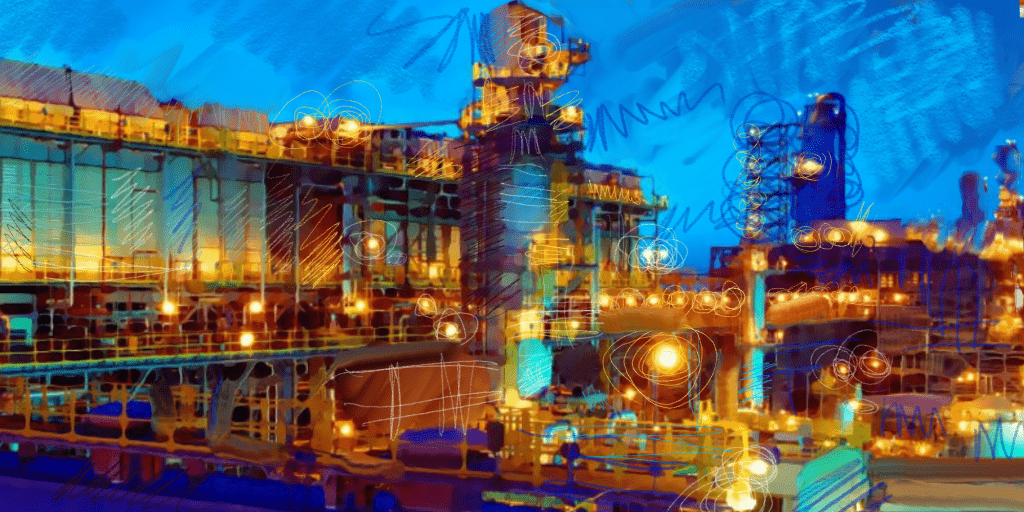
ExxonMobil has blocked a proposed settlement over Kazakhstan’s $5.2 billion environmental fine against the operator of the Kashagan oil field, according to an October 9 Bloomberg report citing unnamed sources. The dispute also affects reported discussions about a potential $80 billion expansion, although Kazakhstan’s state oil company has challenged accounts of that proposal. Citing people familiar with the negotiations, Bloomberg said Exxon opposed the latest settlement proposal and persuaded TotalEnergies, previously neutral, to join its position. Together, their opposition was sufficient to halt the proposal. The terms under discussion were not disclosed. Kashagan is operated by a consortium of international companies and Kazakhstan’s state-owned KazMunayGas. ExxonMobil, TotalEnergies, Shell, and Eni each hold 16.81%, while KazMunayGas owns 16.88%. CNPC and Inpex hold the remaining stakes, according to KazMunayGas. According to Bloomberg, KazMunayGas has decided to pay its share of the fine, although the agency did not establish whether payment had been made. ExxonMobil, TotalEnergies, KazMunayGas, Shell, and Inpex declined to comment. Eni, CNPC, and North Caspian Operating Company (NCOC), the field operator, did not respond to its requests. The dispute has also entered discussions over future development. In August, Bloomberg reported that Exxon had proposed an $80 billion joint venture with KazMunayGas to develop western Kashagan. The proposed 50-50 venture could produce up to 600,000 barrels a day, but would depend on resolving the sulfur fine and Kazakhstan's separate claims of around $150 billion. However, KazMunayGas chairman Askhat Khassenov rejected that account, saying it was inaccurate and that the company did not confirm plans for the joint venture. The project has not been approved, and neither the investment figure nor the proposed production capacity has been independently confirmed. KazMunayGas has published separate expansion plans for existing Kashagan operations. Its Phase 2A and 2B projects could raise total oil and condensate production to roughly 710,000 barrels a day, subject to further technical work, gas-processing capacity, and investment decisions. It remains unclear how the reported western development would fit alongside those plans. Kashagan produced approximately 18.2 million metric tons of oil in 2025, according to KazMunayGas. Further expansion would be technically demanding. The field lies in the shallow northern Caspian Sea, where high levels of hydrogen sulfide complicate extraction and processing. The penalty dates to a 2022 inspection of NCOC’s Bolashak processing complex in the Atyrau Region. Inspectors said more than 1.7 million tons of sulfur had accumulated in storage, against a permitted limit of 730,000 tons. NCOC denies the alleged violations and maintains that its sulfur management complied with Kazakh law and project permits. The penalty totals 2.356 trillion tenge, with its dollar value varying by exchange rate. NCOC’s 2024 sustainability figures show that sulfur in block storage fell from 1.775 million tons at the end of 2022 to 613,000 tons at the end of 2024. Annual sulfur production in 2024 was 1.42 million tons, a different measure from the accumulated stockpile involved in the fine. The reduced stockpile does not determine whether the earlier storage breached the permit. Concerns about storage...

Kazakhstan Pauses Collection of $5 Billion Fine from Kashagan Operator

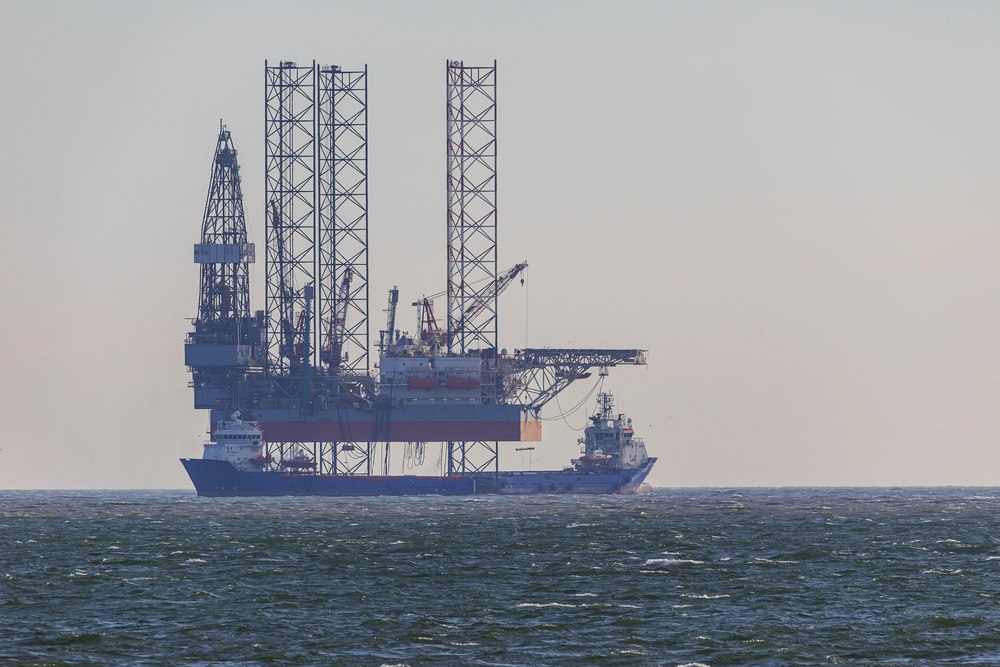
Kazakhstan has suspended enforcement proceedings to collect about $5 billion from North Caspian Operating Company (NCOC), the operator of the Kashagan oil field. The fine itself remains in force. The pause followed a new challenge by the company in a Kazakh court, and the Justice Ministry has said it intends to resume collection efforts. Enforcement proceedings involving 2.3 trillion tenge ($5.06 billion) were suspended on September 7. NCOC challenged the actions of a state enforcement officer, after which the Specialized Interdistrict Administrative Court of Atyrau Region requested the case materials. While those materials are before the court, enforcement proceedings must be suspended. Before the suspension, authorities had stepped up collection efforts. The deadline for voluntary payment expired on July 20, after which the authorities began enforcement proceedings. On July 21, NCOC’s property and vehicles were frozen. The company’s managing director, Giancarlo Ruiu, was also warned of possible administrative and criminal liability for failure to comply with the court ruling. At issue is sulfur produced as a byproduct of processing oil and gas at Kashagan. Kazakhstan’s environmental authorities accused NCOC of storing volumes exceeding the limits set by its environmental permit. The consortium rejects both the allegations and the fine. Although the authorities’ original order was overturned over procedural violations, environmental regulators subsequently issued a new one. The reissued penalty was upheld by Kazakh courts, including the Atyrau Regional Court in June 2026, allowing the authorities to move toward enforcement. The dispute also has an international legal dimension. NCOC’s foreign shareholders have challenged the penalty through international treaty arbitration. Separately, NCOC said in July that a tribunal applying the rules of the United Nations Commission on International Trade Law (UNCITRAL) had issued an interim order barring Kazakhstan from enforcing the fine while those proceedings were pending. Kazakh authorities rejected NCOC’s interpretation of the order, arguing that the commercial arbitration tribunal could not prevent the state from enforcing its environmental laws and domestic court judgments. The Justice Ministry has made clear that the current suspension stems from NCOC’s challenge to the enforcement officer in a Kazakh administrative court, rather than from the UNCITRAL order. Kashagan is one of Kazakhstan’s largest oil fields and one of the world’s biggest oil discoveries of recent decades. Recoverable reserves are estimated at 9 billion to 13 billion barrels. The field produced 18.2 million tons of oil in 2025. The project is backed by some of the world’s largest oil companies. KazMunayGas holds 16.88%, while Eni, ExxonMobil, Shell, and TotalEnergies each hold about 16.81%. CNPC owns 8.33% and Japan’s Inpex 7.56%. For Kazakhstan, Kashagan is one of its main sources of oil production and export revenue. For the international companies, the dispute is also a test of the operating environment at the country’s largest oil fields. Kazakhstan accounts for around 2% of global daily oil supply, and the Kashagan case comes amid several multibillion-dollar legal disputes between Astana and international oil companies. The environmental fine is not the only dispute surrounding Kashagan. Kazakhstan has also brought claims against investors over costs...