
• KGS/USD = 0.01143 0%
  • KZT/USD = 0.00205 0%
  • TJS/USD = 0.10724 0.09%
  • UZS/USD = 0.00008 0%
  • TMT/USD = 0.28571 0%
  • KGS/USD = 0.01143 0%
  • KZT/USD = 0.00205 0%
  • TJS/USD = 0.10724 0.09%
  • UZS/USD = 0.00008 0%
  • TMT/USD = 0.28571 0%
  • KGS/USD = 0.01143 0%
  • KZT/USD = 0.00205 0%
  • TJS/USD = 0.10724 0.09%
  • UZS/USD = 0.00008 0%
  • TMT/USD = 0.28571 0%
  • KGS/USD = 0.01143 0%
  • KZT/USD = 0.00205 0%
  • TJS/USD = 0.10724 0.09%
  • UZS/USD = 0.00008 0%
  • TMT/USD = 0.28571 0%
  • KGS/USD = 0.01143 0%
  • KZT/USD = 0.00205 0%
  • TJS/USD = 0.10724 0.09%
  • UZS/USD = 0.00008 0%
  • TMT/USD = 0.28571 0%
  • KGS/USD = 0.01143 0%
  • KZT/USD = 0.00205 0%
  • TJS/USD = 0.10724 0.09%
  • UZS/USD = 0.00008 0%
  • TMT/USD = 0.28571 0%
  • KGS/USD = 0.01143 0%
  • KZT/USD = 0.00205 0%
  • TJS/USD = 0.10724 0.09%
  • UZS/USD = 0.00008 0%
  • TMT/USD = 0.28571 0%
  • KGS/USD = 0.01143 0%
  • KZT/USD = 0.00205 0%
  • TJS/USD = 0.10724 0.09%
  • UZS/USD = 0.00008 0%
  • TMT/USD = 0.28571 0%

Viewing results 1 - 6 of 2

Kazakhstan Coal Exports Hit 7 Million Tons in Q1 2026

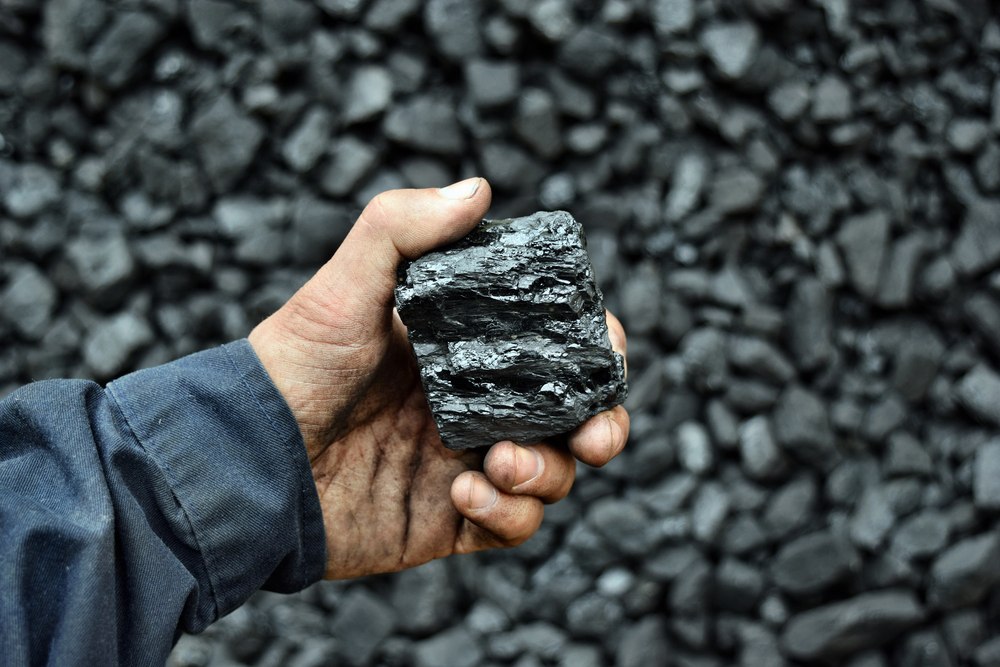
Kazakhstan coal exports reached 7.1 million tons in the first three months of 2026, while the domestic market remained the primary destination for the country’s coal producers, Nikolai Radostovets, executive director of the Republican Association of Mining and Metallurgical Enterprises, said at the VII Coal Industry Forum. Energy Ministry figures have put Kazakhstan’s 2025 coal production at around 115.9 million tons. Of that amount, 85.9 million tons were supplied to the domestic market, including the housing and utilities sector and thermal power plants, while exports amounted to 30 million tons. Kazakhstan’s main coal export destinations remain Russia, Poland, Uzbekistan, Turkey, India, and Malaysia, Radostovets told participants at the Coal Industry Forum, held as part of the Astana Mining & Metallurgy Congress, AMM 2026. Coal output is expected to rise this year to 128.9 million tons. In January-March, nearly 29 million tons of coal were mined, while exports reached 7.1 million tons, according to industry association data. “One of the key tasks for the industry remains ensuring stable supply to the domestic market, including thermal power plants and the housing and utilities sector,” Radostovets said, whilst also stressing that exports remain a crucial part of the sector’s sustainability. “Exports ensure workload for enterprises, foreign currency earnings, tax revenues and stable production programs. Domestic needs are always prioritized, but exports help maintain overall production levels and the financial sustainability of enterprises,” he said. He also warned that Kazakhstan’s coal exports face mounting transportation risks linked to geopolitical shifts across Eurasia, as well as insufficient capacity in regional logistics infrastructure. To preserve export potential, Radostovets said Kazakhstan needs more predictable tariff-setting by transport operators, expanded alternative logistics routes, improved efficiency at the Caspian ports of Aktau and Kuryk, and stronger intergovernmental coordination on transit issues. Meanwhile, Kazakhstan’s Energy Minister Yerlan Akkenzhenov sought to reassure coal producers that domestic demand for their products is likely to grow in the coming years as the government expands coal-fired power generation. “Against the backdrop of rising electricity consumption, industrial growth and the development of the digital economy, reliable baseload generation is becoming increasingly important. In this regard, the government has approved the national project ‘Development of Coal Generation,’” Akkenzhenov said. The program covers 2026-2030 and provides for the construction of new energy facilities, while expanding or modernizing existing installations. This is expected to create additional demand for around 20 million tons of thermal coal per year by 2030. Kazakhstan’s renewed emphasis on coal reflects a wider tension in its energy policy. The government is seeking a route out of electricity shortages and provide reliable baseload generation for industry, data centers, and other energy-intensive sectors, while also maintaining its formal target of achieving carbon neutrality by 2060. Officials have argued that new coal capacity will be paired with cleaner technologies and modern emissions controls, but the scale of the planned expansion underlines how central coal remains to Kazakhstan’s power system. The national project includes eight new coal-generation facilities, including major projects in Ekibastuz, Kurchatov, and Zhezkazgan, as well...

Kazakhstan Aims to Increase Non-Commodity Exports by More Than a Quarter by 2030

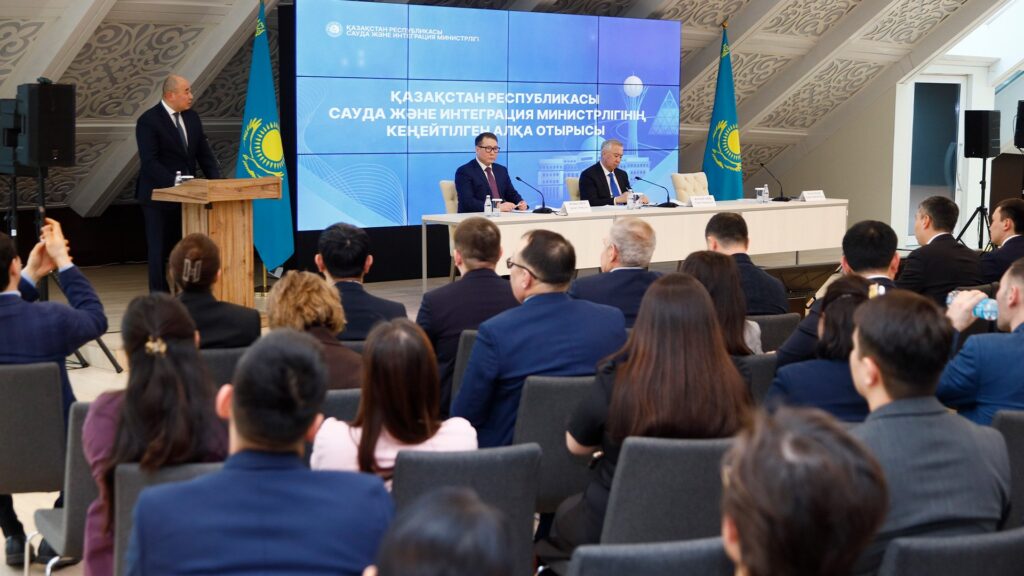
Kazakhstan plans to increase non-commodity exports to $52 billion by 2030, Prime Minister Olzhas Bektenov said during a plenary session of the Berne Union, the world’s largest international association of export credit and investment insurers. The forum, held in Central Asia for the first time, brought together representatives of international financial institutions, export credit agencies, and investors. According to Bektenov, the export target is outlined in Kazakhstan’s Trade Policy Concept. By the end of 2025, the country’s non-commodity exports totaled approximately $41 billion. The prime minister said Kazakhstan continues to expand its network of free trade agreements within the framework of the Eurasian Economic Union (EAEU). In addition to existing agreements with Vietnam and Serbia, new arrangements with the United Arab Emirates (UAE), Mongolia, and Indonesia have been concluded over the past two years.  Authorities are also placing particular emphasis on the development of the Trans-Caspian International Transport Route, which Kazakhstan views as one of the key trade corridors connecting Asia and Europe. “Our head of state consistently places special emphasis on improving the business climate. Today, Kazakhstan, as the largest economy in the Central Asian region, continues the structural transformation of its national economy,” Bektenov said. According to him, foreign direct investment into Kazakhstan increased by 14.4% to reach $20.5 billion, while investment in fixed capital rose by 13% to a record $43.5 billion. Kazakhstan’s foreign trade turnover reached $144 billion in 2025. “Today, our goods are exported to 127 countries around the world, and the list of active export product categories has approached 4,000 items,” the prime minister said. Bektenov stressed that the development of international trade, transport and logistics infrastructure, and export capacity is directly linked to improving the country’s investment attractiveness. He invited forum participants to expand cooperation with Kazakhstan in trade, investment, and infrastructure projects. Berne Union President Yuichiro Akita said Kazakhstan continues to serve as a key link in global trade routes dating back to the era of the Silk Road. “Today, the global community once again finds itself at a historical crossroads. A fundamentally different architecture of interaction is emerging, where export credit agencies are moving toward a more strategic and selective approach,” Akita said. According to him, discussions in Astana should help develop new mechanisms for international cooperation amid changes in the global economy. The Times of Central Asia previously reported that Kazakhstan also aims to increase exports of IT services to $5 billion by 2030. The government also plans to produce five or six Earth observation satellites in the coming years, some of which are intended for export.