• KZT/USD = 0.00219
  • TJS/USD = 0.10860
  • UZS/USD = 0.00008
  • TMT/USD = 0.29850
  • KZT/USD = 0.00219
  • TJS/USD = 0.10860
  • UZS/USD = 0.00008
  • TMT/USD = 0.29850
  • KZT/USD = 0.00219
  • TJS/USD = 0.10860
  • UZS/USD = 0.00008
  • TMT/USD = 0.29850
  • KZT/USD = 0.00219
  • TJS/USD = 0.10860
  • UZS/USD = 0.00008
  • TMT/USD = 0.29850
  • KZT/USD = 0.00219
  • TJS/USD = 0.10860
  • UZS/USD = 0.00008
  • TMT/USD = 0.29850
  • KZT/USD = 0.00219
  • TJS/USD = 0.10860
  • UZS/USD = 0.00008
  • TMT/USD = 0.29850
  • KZT/USD = 0.00219
  • TJS/USD = 0.10860
  • UZS/USD = 0.00008
  • TMT/USD = 0.29850
  • KZT/USD = 0.00219
  • TJS/USD = 0.10860
  • UZS/USD = 0.00008
  • TMT/USD = 0.29850
22 November 2026

Viewing results 1 - 6 of 2

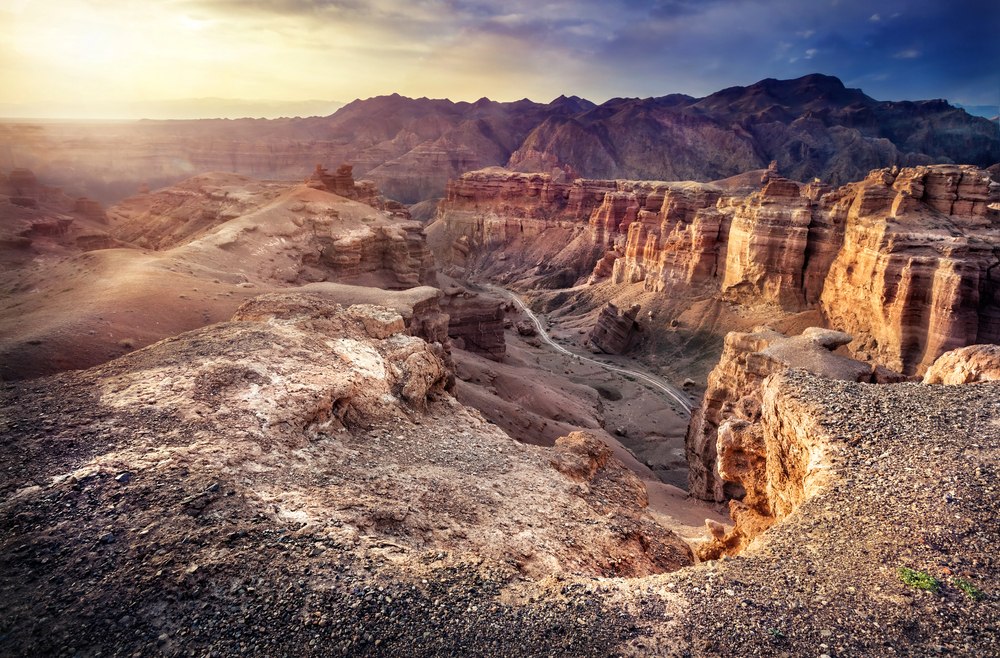
Kazakhstan’s Charyn Canyon Ranks Among World’s Top 20 as Tourist Numbers Surge Fifteenfold

Charyn Canyon in southeastern Kazakhstan has ranked 17th in the Worldworthy 100: Canyons & Gorges 2026 international ranking. It was the only destination in Central Asia to make the list of 100 canyons and gorges across 46 countries. The Grand Canyon in the United States ranked fourth, while Letchworth Gorge in New York State took first place. Visitor numbers at Charyn Canyon have increased more than fifteenfold over the past five years, rising from 16,105 in 2020 to 249,928 in 2025. The number of visitors more than doubled from 117,793 in 2024. Charyn is located approximately 200 kilometers east of Almaty, Kazakhstan's largest city. The canyon stretches for 154 kilometers along the Charyn River. Its best-known section is the Valley of Castles, where reddish rock formations resemble fortress walls, towers, and palaces. Established in 2004, the national park covers approximately 127,000 hectares. In addition to the canyon, it protects an ancient grove of Sogdian ash trees in the Charyn River valley. The protected area is also home to gazelles and other rare wildlife. Charyn can be reached from Almaty in several hours by car. Visitors often combine a trip to the canyon with visits to the Kolsai Lakes and Lake Kaindy in the northern Tian Shan Mountains. Kaindy is known for its submerged spruce forest. An earthquake-triggered landslide blocked a mountain gorge, creating a lake that submerged the forest. The trunks of the trees still rise above the water. The growth in tourism has prompted restrictions. In 2019, authorities banned private vehicles from descending into the canyon. The park has since developed observation platforms, introduced visitor transportation services, and opened a visitor center. In 2025, work also began on widening the road at the main checkpoint to ease congestion. Other national parks in Kazakhstan, particularly those near major cities, are also struggling with excessive visitor numbers. Environmentalists have warned that heavy tourist traffic is damaging vegetation and contributing to litter and other environmental problems in protected areas, including Charyn. Worldworthy awarded Charyn a score of 9.48 out of 10. Its ranking draws on traveler reviews, travel guidebooks, and media coverage. The organization lists 5,441 visitor reviews and ratings for Charyn, although the final ranking is an editorial assessment rather than a public vote. Kazakhstan is developing tourism infrastructure in its mountain regions, around its lakes, and along the Caspian Sea coast as it seeks to attract more international visitors. The Times of Central Asia previously reported on the country's plans to expand its tourism destinations and the challenges holding back the sector's development.
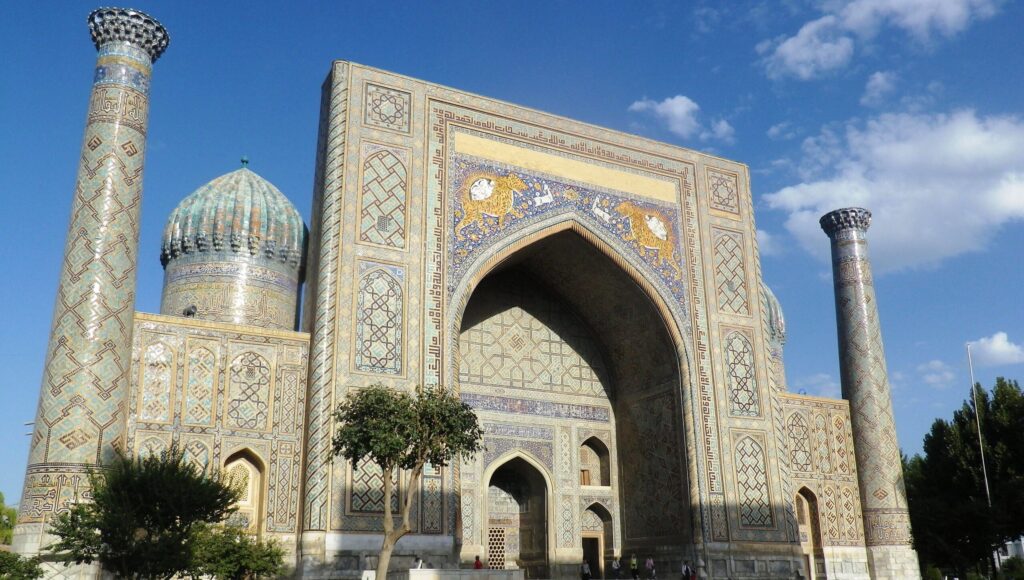

Central Asia Tourism Growth Outpaces Other Regions

Central Asia emerged as one of the world's fastest-growing tourism regions in 2025, with travel and tourism contributing $20.1 billion to the regional economy. According to an analysis based on World Travel & Tourism Council (WTTC) data, the sector's economic contribution grew by 17.7% during the year, the highest rate among the regions covered. By comparison, tourism GDP grew by 8.7% in Northeast Asia and 7.6% in Southeast Asia. The number of jobs supported by tourism grew by 9.5%, while spending by international visitors increased by 26.4%. Despite this rapid expansion, tourism remains a relatively small part of Central Asia's economy. It accounted for 4.3% of regional GDP in 2025, slightly below its pre-pandemic share of 4.5% in 2019. The slight fall in its share reflects the wider growth of the region's economies. The increase is being driven primarily by travel within Central Asia and from neighboring Russia. Kazakhstan, Uzbekistan, Russia, and Kyrgyzstan together accounted for 90% of the region's recorded inbound arrivals in 2025. Uzbekistan's official statistics, for example, show that visits to relatives accounted for most foreign visits recorded for tourism purposes during the first eight months of 2025. Comparisons between countries require caution because governments use different statistical methods, including whether they count border crossings or unique visitors. Uzbekistan remains the regional leader in terms of tourism's importance to the national economy. The sector accounted for 6% of GDP in 2025 and contributed $8.3 billion. Even there, however, tourism is considerably less economically important than in established destinations such as Spain, where WTTC forecast that it would account for almost 16% of GDP in 2025. Kazakhstan has the region's largest tourism economy in absolute terms, contributing $9.3 billion in 2025. Tourism nevertheless represented only 3.2% of the country's GDP, reflecting the larger role of industry and trade. The upward trend has continued into 2026. According to the Bureau of National Statistics, Kazakhstan welcomed three million foreign travelers in the first quarter. Uzbekistan was the largest source, accounting for 1.1 million travelers. Kyrgyzstan and Russia were the next largest sources. Revenue generated by accommodation providers rose by 13.9% compared with the same period a year earlier. WTTC forecasts almost 13% growth in the sector's economic contribution in Kazakhstan in 2026. Tourism in Central Asia is expanding and generating substantially more revenue. However, visitors from neighboring countries and Russia still dominate the regional market, leaving longer-haul tourism to grow from a comparatively low base.