
• KGS/USD = 0.01144 0%
  • KZT/USD = 0.00204 0%
  • TJS/USD = 0.10398 0%
  • UZS/USD = 0.00008 0%
  • TMT/USD = 0.28490 0%
  • KGS/USD = 0.01144 0%
  • KZT/USD = 0.00204 0%
  • TJS/USD = 0.10398 0%
  • UZS/USD = 0.00008 0%
  • TMT/USD = 0.28490 0%
  • KGS/USD = 0.01144 0%
  • KZT/USD = 0.00204 0%
  • TJS/USD = 0.10398 0%
  • UZS/USD = 0.00008 0%
  • TMT/USD = 0.28490 0%
  • KGS/USD = 0.01144 0%
  • KZT/USD = 0.00204 0%
  • TJS/USD = 0.10398 0%
  • UZS/USD = 0.00008 0%
  • TMT/USD = 0.28490 0%
  • KGS/USD = 0.01144 0%
  • KZT/USD = 0.00204 0%
  • TJS/USD = 0.10398 0%
  • UZS/USD = 0.00008 0%
  • TMT/USD = 0.28490 0%
  • KGS/USD = 0.01144 0%
  • KZT/USD = 0.00204 0%
  • TJS/USD = 0.10398 0%
  • UZS/USD = 0.00008 0%
  • TMT/USD = 0.28490 0%
  • KGS/USD = 0.01144 0%
  • KZT/USD = 0.00204 0%
  • TJS/USD = 0.10398 0%
  • UZS/USD = 0.00008 0%
  • TMT/USD = 0.28490 0%
  • KGS/USD = 0.01144 0%
  • KZT/USD = 0.00204 0%
  • TJS/USD = 0.10398 0%
  • UZS/USD = 0.00008 0%
  • TMT/USD = 0.28490 0%

Viewing results 1 - 6 of 4

The Influence of Korean Culture on Uzbekistan: Personal Stories and Impressions

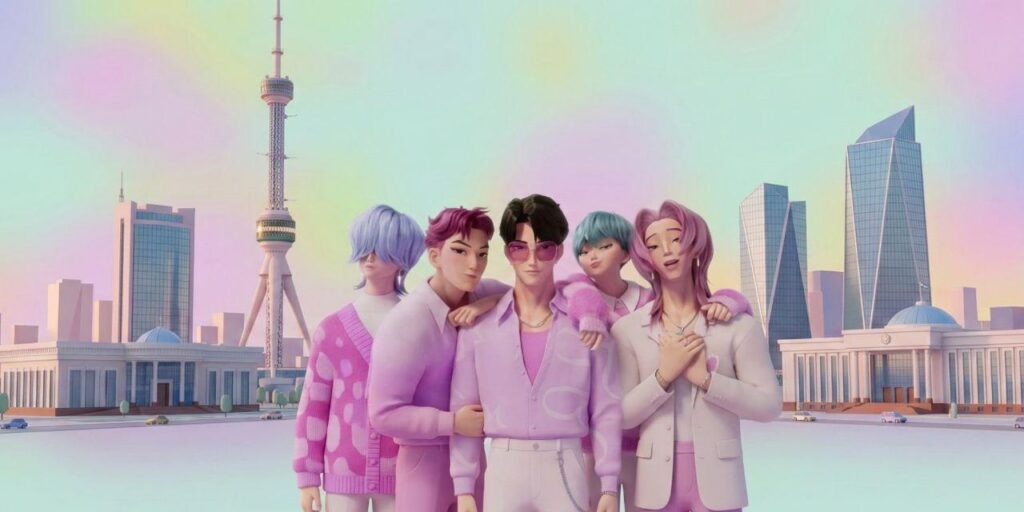
From fan meet-ups in shopping malls to Korean universities and supermarket shelves stocked with beauty brands, Korean culture in Uzbekistan has long ceased to be a niche interest. Yet behind bright music videos and conversations about Korean standards lies a more complex picture. For some, it represents a sense of community and part of personal identity; for others, it is a passing trend or even a source of disappointment. How exactly is the Korean wave structured in Uzbekistan, and why is its influence perceived so differently? The answer lies in personal stories and observations. How the Korean “Wave” Is Structured in Uzbekistan When discussing the influence of Korean culture in Uzbekistan, it is important to recognize that this is not a single, monolithic phenomenon. Rather, it consists of several parallel streams that have gradually entered everyday life. These include popular culture — K-pop, television dramas, fan meetings, and new urban leisure formats — as well as consumer practices such as cosmetics, fashion, and gastronomy. Institutional ties also play a role, including language centers, university programs, cultural associations, and humanitarian initiatives. In academic discourse, the concept of the Korean Wave, or Hallyu, refers to the global spread of South Korean cultural products and associated lifestyles beyond the country’s borders since the late 1990s. Mass media, internet platforms, and carefully designed state cultural policy have played key roles in this process. In Uzbekistan, Hallyu has taken on a particular resonance. Here, Korean culture is not merely a trend introduced through new media; it is also part of the country’s social fabric. Uzbekistan has a historically significant Korean community composed of descendants of Koreans resettled during the Soviet period. For many people, interest in contemporary South Korea is therefore linked not only to fashion or pop culture but also to questions of identity, memory, and intergenerational dialogue. Pop Culture and Urban Aesthetics The most visible and widely discussed channel of influence is youth pop culture. It is through this sphere that the Korean wave becomes most noticeable. Researchers in the region describe K-pop as one of the main drivers of Hallyu’s popularity in Central Asia, including Uzbekistan. Interest in music often leads to language learning, the formation of fan communities, and increased online engagement. For many, everything begins with a music video, bright, dynamic, and visually polished. Then come fan chats, dance cover groups, and attempts to analyze song lyrics. Music becomes a form of social glue, bringing teenagers together in Telegram channels, on university campuses, and in shopping malls where spontaneous flash mobs take place. Alongside this runs what might be called the drama channel. Korean television series in Uzbekistan are no longer a niche interest. Academic publications analyze their growing popularity and explore why this format has proven so resilient and widely appealing. The explanation is often found in a combination of emotional storytelling, family-centered plots, and visual aesthetics that resonate with local audiences. Pop-cultural influence does not remain confined to screens; it spills into the city itself. In 2023, Korea...

The Impact of Korean Culture on Kazakhstan: Personal Stories and Impressions

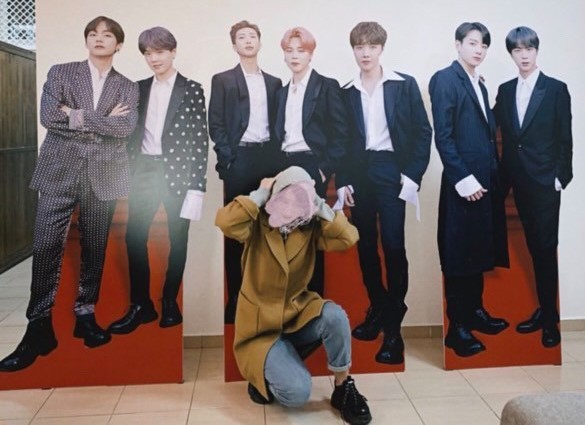
In recent years, Korean culture - including K-pop and doramas (dramas) - has gained incredible popularity in Kazakhstan. It has had a significant impact on young people, offering not only entertainment, but also support, motivation, and new opportunities to socialize and express themselves. To better understand how Korean culture is influencing life in Kazakhstan, TCA talked to young people about their stories and experiences. [caption id="attachment_26045" align="aligncenter" width="585"] Image: TCA[/caption] Alua, 22, computer club administrator For me, as an insecure teenager, K-pop and doramas have been a tremendous support and help in shaping my personality. Songs about self-love, with words of encouragement and motivation give many teens a foothold they often can't get from their environment. The doramas teach us and show us that nothing is impossible, that everything is in our hands. They also show young girls what healthy relationships should look like. That's what I love about Korean culture, the lack of gender boundaries and the promotion of healthy attitudes. I think this kind of influence has a great effect on the youth of Kazakhstan. Doramas are television series produced in South Korea and other Asian countries. They cover a wide range of genres: romance, drama, comedy, sci-fi, historical subjects, and more. Doramas are known for their high-quality productions, plot twists, and colorful characters. [caption id="attachment_26046" align="aligncenter" width="585"] Image by Nastya, from the official BTS film festival in Kino Park, Astana[/caption] Nurlan, 19, student at a pedagogical faculty I like Korean culture because of its unconventionality. For example, K-pop groups such as BTS have always fought against male stereotypes and I’m inspired by it. I think it's really great, because in Kazakhstan there are big problems with the perception of gender roles. In addition to male stereotypes, they are also breaking down female stereotypes through female groups like BLACKPINK, who present themselves as confident girls who are not afraid of getting their own way. Also in Kazakhstan, many convenience stores like the Korean 7/11 are opening up where you can eat noodles and tokpoki, and sit with friends, just like in the doramas. I really like it, and I’m happy that Korean trends that are reaching us in Kazakhstan. [caption id="attachment_26049" align="aligncenter" width="585"] Image: TCA[/caption] Sarah, 21, store administrator and student I started getting into Korean culture back in 2010, when my sister showed me the dorama Boys More Beautiful Than Flowers. After that, K-pop and doramas helped me not to get discouraged during difficult moments, offering an interactive culture that nurtured a sense of love and support. Even if it wasn't fashionable then and I was made fun of, K-pop kept me going. Now, however, it’s a worldwide phenomenon, and that’s nothing short of heartwarming. So many people around the world have discovered a whole new genre of music, movies, TV series and things in the Korean media space, such as albums and photocards, fan-sites, merch, and concerts. Doramas and shows like Running Man and Apartment 404 have become my favorite part of celebrity promotion in Korea....