


Kurchatov: Kazakhstan’s Atomic City Finds New Life After Nuclear Tests
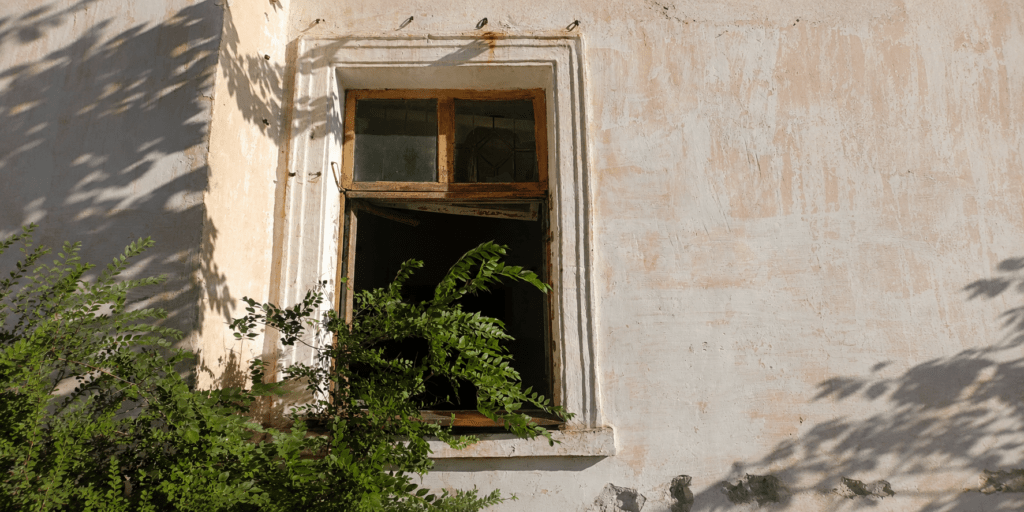
Strong winds, scorching sun, abandoned five-story apartment blocks standing next to occupied homes, crows and horses wandering the streets: this is how Kurchatov appears to visitors today. Once closed to outsiders, the city was the heart of Soviet nuclear science and military power. More than three decades after the closure of the Semipalatinsk Nuclear Test Site, how does this unique corner of Kazakhstan live now? Construction of the test site began on August 21, 1947. It covered 18,500 square kilometers at the intersection of what are now the Abai, Pavlodar, and Karaganda regions. Two years later, on August 29, 1949, the Soviet Union conducted its first nuclear test here. Soviet nuclear scientists helped create the country’s “nuclear shield,” but it was Kazakhstan that decades later brought the tests to an end. On August 29, 1991, by decree of President Nursultan Nazarbayev, the Semipalatinsk test site was officially closed. Over 42 years, at least 456 nuclear tests were carried out at the site, affecting more than 1.5 million people. The history of Kurchatov began as a military garrison. Because of its secrecy, the city changed names several times, including “Moscow-400,” “Nadezhda,” and “Bereg.” It later became known as Kurchatov, after Soviet physicist Igor Kurchatov, although for many years it remained better known by its code name: Semipalatinsk-21. The first builders and military personnel lived in extremely harsh conditions. “At first, many lived in dugouts, and the walls froze through completely,” older residents recall. “In winter, hair froze to the beds, and fingers were often frostbitten.” “I came to serve here from Moldova and thought I was going to a regional center. Instead, they sent us into the steppe, to the dugouts. No electricity, no heating, no gas. Cold, mud, wind. But I stayed anyway. I got married and later brought my parents here,” Viktor Bordei, who has lived in Kurchatov for 47 years, told The Times of Central Asia. [caption id="attachment_51250" align="aligncenter" width="1600"] Viktor Bordei, a resident of Kurchatov; image: TCA[/caption] For many who served at the test site, their work felt like a matter of honor. “We didn’t think about the consequences,” Bordei admits. “We believed we were strengthening the Soviet Union’s nuclear shield. Nobody spoke about the harm until Nazarbayev announced the damage done to nature and people. Of course, it’s painful to realize we were kept in the dark.” Over time, memories of that period have become intertwined with nostalgia. Former residents recall developed infrastructure, well-stocked stores, and strict order. After the military left, Kurchatov took years to recover, losing both people and housing while preserving the spirit of its unusual past. “I remember how the walls shook during the explosions. I also remember the day the military left. It was frightening, and nobody knew what would happen next. Now it hurts to see abandoned buildings and horses wandering the streets, but I don’t want to leave. The city is changing, and I believe in it,” says local resident Elena Kazachuk, who was born in Kurchatov. Zoya Lapshina...
