• KGS/USD = 0.01144 0%
  • KZT/USD = 0.00190 -0%
  • TJS/USD = 0.10837 0.37%
  • UZS/USD = 0.00008 0%
  • TMT/USD = 0.28571 0%
  • KGS/USD = 0.01144 0%
  • KZT/USD = 0.00190 -0%
  • TJS/USD = 0.10837 0.37%
  • UZS/USD = 0.00008 0%
  • TMT/USD = 0.28571 0%
  • KGS/USD = 0.01144 0%
  • KZT/USD = 0.00190 -0%
  • TJS/USD = 0.10837 0.37%
  • UZS/USD = 0.00008 0%
  • TMT/USD = 0.28571 0%
  • KGS/USD = 0.01144 0%
  • KZT/USD = 0.00190 -0%
  • TJS/USD = 0.10837 0.37%
  • UZS/USD = 0.00008 0%
  • TMT/USD = 0.28571 0%
  • KGS/USD = 0.01144 0%
  • KZT/USD = 0.00190 -0%
  • TJS/USD = 0.10837 0.37%
  • UZS/USD = 0.00008 0%
  • TMT/USD = 0.28571 0%
  • KGS/USD = 0.01144 0%
  • KZT/USD = 0.00190 -0%
  • TJS/USD = 0.10837 0.37%
  • UZS/USD = 0.00008 0%
  • TMT/USD = 0.28571 0%
  • KGS/USD = 0.01144 0%
  • KZT/USD = 0.00190 -0%
  • TJS/USD = 0.10837 0.37%
  • UZS/USD = 0.00008 0%
  • TMT/USD = 0.28571 0%
  • KGS/USD = 0.01144 0%
  • KZT/USD = 0.00190 -0%
  • TJS/USD = 0.10837 0.37%
  • UZS/USD = 0.00008 0%
  • TMT/USD = 0.28571 0%
06 November 2025

Viewing results 1 - 6 of 5

Government Securities Drive Growth on Kyrgyz Stock Exchange

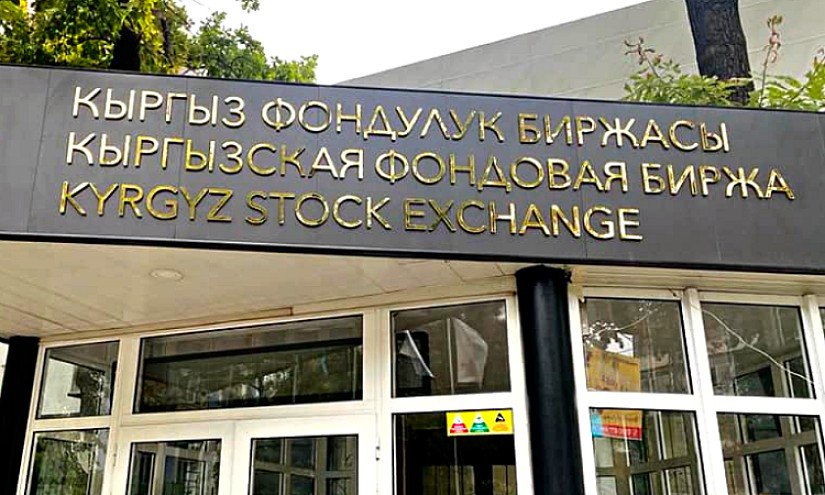
The trading volume of government securities on the Kyrgyz Stock Exchange (KSE) has nearly doubled in 2025. From January to August, turnover from treasury bonds and treasury bills reached $64.3 million, almost twice the figure for the same period in 2024. Despite this increase, government securities still account for a relatively small share of total market activity. According to local brokers, the market for government securities in Kyrgyzstan remains in its formative stages but is showing steady progress. Analysts attribute the growth to increased government focus on capital markets and active public outreach aimed at building trust in both sovereign and corporate instruments. “The fact that the state is entering the stock market and that the president publicly encourages investment, while legislative changes are being made to improve market regulation, all this has a positive impact on the development of the financial sector,” said Meerim Askarbekova, director of the financial company Senti, in an interview with The Times of Central Asia. “It builds confidence in the Kyrgyz stock market. The effect is not yet visible in numbers, but the authorities have set a strong direction for growth. Even foreign brokers and financiers have started to talk about the Kyrgyz market.” Askarbekova added that a decade ago, Kyrgyz financial professionals had limited visibility abroad and the stock exchange was undervalued domestically. Today, with greater government engagement, the KSE is attracting international attention and rising interest from local investors. Between January and August 2025, the KSE recorded 1,711 transactions totaling $1.8 billion, compared to 1,200 transactions worth $1.07 billion over the same period in 2024. The share of government securities in total trading volume rose from 2.7% to 3.4% year-on-year. KSE data shows that the primary buyers of treasury securities are large corporations and financial institutions. Notably, commercial banks now hold one-third of Kyrgyzstan’s domestic public debt. A major catalyst for market growth was the 2023 law mandating all state-owned enterprises to list their securities on the KSE. The Ministry of Finance led the way, setting a precedent for other public entities. Reform momentum continued in June 2025, when the government introduced new measures to boost stock market participation. Companies can now submit listing documents electronically, a green bond issuance framework has been established, and foreign issuers have been granted access to the exchange. These steps are expected to enhance cross-border investment and improve overall market liquidity.

Kyrgyz State Companies Encouraged to List Securities on Local Stock Exchange

Kyrgyzstan's Chairman of the Cabinet of Ministers, Akylbek Japarov, has signed a decree recommending that all state-owned enterprises conduct initial public offerings (IPOs) and trade their securities on the Kyrgyz Stock Exchange (KSE). Experts believe the move will stimulate stock market development and attract foreign investors. Several years ago, shares of five major state-owned enterprises, Kyrgyzaltyn, Kyrgyztelecom, Manas International Airport, Uchkun (the state printing house), and RSK Bank, were listed on KSE. The initiative served as a testing ground for improving corporate governance. At the time, stock exchange representatives noted that the process enabled state companies to modernize their operations and expand without relying on loans. “The IPO is just the beginning. According to KSE listing requirements, companies must maintain transparency, conduct public operations, and provide ongoing financial and economic disclosures to sustain investor confidence,” said KSE President Medet Nazaraliyev. Nazaraliyev told The Times of Central Asia (TCA) that the shareholders of KSE include the Kazakhstan Stock Exchange and the Istanbul Exchange, making it possible for foreign investors to participate in Kyrgyz securities trading. Additionally, under Eurasian Economic Union (EAEU) agreements, investors from across the bloc can freely purchase shares in local companies. “Transferring the trading of all state-owned companies’ securities to KSE aims to consolidate the market and ensure that state enterprises receive high-quality financial services. KSE is also working on expanding its investor base and exploring opportunities to enter foreign markets, all in the interests of our issuers,” KSE Vice President Myktybek Abirov told TCA. According to Abirov, 24 state-owned enterprises are currently listed on the exchange. Under Kyrgyz law, all transactions involving securities of open joint-stock companies must be conducted on KSE. Last year, U.S. credit rating agency S&P Global Ratings joined KSE’s list of official evaluators, alongside Kazakh and Russian firms. This partnership facilitates independent assessments of green and gender bonds issued by the exchange. Furthermore, S&P’s involvement enhances the credibility and attractiveness of Kyrgyz securities for foreign investors. In the middle of 2024, the volume of capitalization of KSE amounted to $636 million.

Kyrgyz Stock Exchange Continues to Grow

The Kyrgyz Stock Exchange (KSE) is the leader among the countries of the Eurasian Economic Union (Russia, Armenia, Kazakhstan, Kyrgyzstan, Belarus) in terms of trading volume growth. The volume of capitalization for the second quarter of 2024 amounted to $636 million. The indicator increased five times compared to the same period last year. In 2022 the exchange began trading in precious metals, and in 2023 the first trades in government securities took place. "The volumes in 2023 increased because there were very large transactions in the primary market. We hosted such companies as Aiyl Bank - more than 4.8 billion KGS ($56.4 million), State Mortgage Company - 3.8 billion KGS ($44.7 million), Entrepreneurship Development Fund - 503 million KGS ($5.9 million), and the National Electric Grid of Kyrgyzstan conducted a transaction for 5.3 billion KGS ($62.3 million). Banks and companies with state participation carried out additional capitalization,” KSE vice-president Aida Chodulova told The Times of Central Asia. According to Chodulova, all securities transactions (public and private) must now go through the stock exchange. "We are now introducing new software to make the system more modern and accessible. We are developing new areas: IPOs, digitalization, and the development of the commodities sector and the precious metals sector. We will also open a currency pairs trading and crypto exchange sector,” Chodulova said. "At the end of 2023, we held auctions and issued State Treasury Bonds with a two-year circulation term. They were issued in both the national currency and Russian rubles. Commercial banks in Kyrgyzstan and insurance companies participated in the trade. Russian Gazprombank bought some of the securities for Russian investors,” she added. Last year, KSE planned to issue “green” state treasury bonds with a five-year circulation term, with some of these securities to be sold to Russia. However, the project had to be suspended due to the international economic sanctions placed on Russia as a result of its invasion of Ukraine.