


Turkmenistan to Chair Group of Landlocked Developing Countries
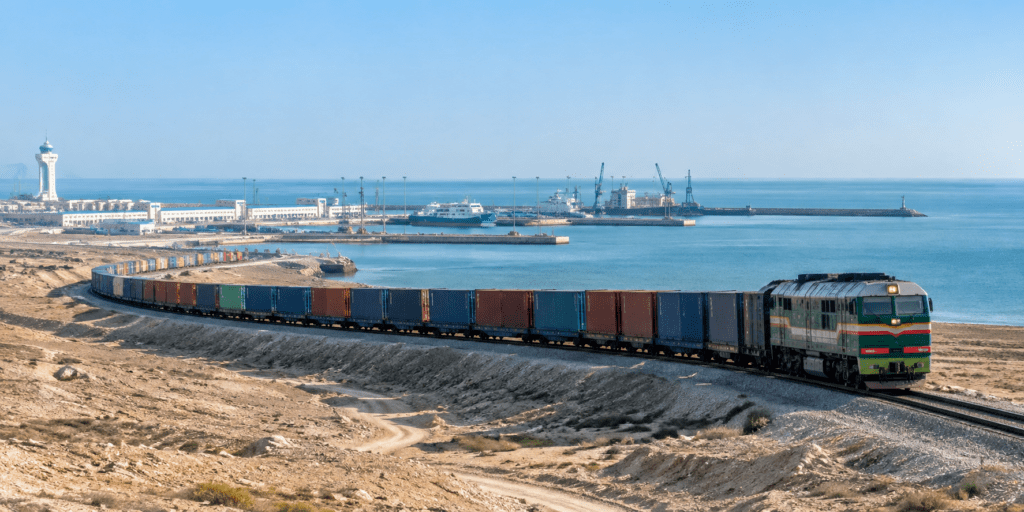
Turkmenistan’s mission to the United Nations says the country has been elected the next chair of the Group of Landlocked Developing Countries, which consists of 32 countries facing particular trade and transit challenges because of their geography and reliance on neighboring nations. Turkmenistan will begin its two-year term as chair on January 1, 2027, after receiving unanimous support from all members of the group in a meeting at U.N. headquarters in New York on September 3, the Turkmen diplomatic mission said. Azerbaijan will become vice-chair of the group of landlocked developing countries. The current chair and vice-chair are Bolivia and Kyrgyzstan, respectively. The new leadership will be endorsed at a ministerial-level meeting at the U.N. on September 24, according to the Turkmen mission. It said that Turkmenistan will take the lead in coordinating the group’s activities on pressing issues such as “energy and transport connectivity.” A key priority for the group is implementation of the Awaza Programme of Action for 2024–2034, a U.N.-backed plan that promotes infrastructure investment, deeper integration into global trade networks and other measures to help the countries overcome their geographical disadvantages. The United Nations says that the group of countries often face difficulties such as reduced foreign investment, limited export options, and slower economic growth. “Without direct access to coastal ports, landlocked developing countries must rely on transit countries to connect them with international markets. This can lead to increased transportation trade costs, delays in the movement of goods, and susceptibility to political and economic instability in transit countries,” the U.N. says. Kazakhstan, Tajikistan, and Uzbekistan are also in the group. While Azerbaijan, Kazakhstan and Turkmenistan have coastlines on the Caspian Sea, they are still classified as landlocked countries by the United Nations because the Caspian, an enclosed body of water, doesn’t have direct access to the world's oceans.

