• KGS/USD = 0.01144 0%
  • KZT/USD = 0.00212 0%
  • TJS/USD = 0.10543 -0.09%
  • UZS/USD = 0.00008 0%
  • TMT/USD = 0.28530 0%
  • KGS/USD = 0.01144 0%
  • KZT/USD = 0.00212 0%
  • TJS/USD = 0.10543 -0.09%
  • UZS/USD = 0.00008 0%
  • TMT/USD = 0.28530 0%
  • KGS/USD = 0.01144 0%
  • KZT/USD = 0.00212 0%
  • TJS/USD = 0.10543 -0.09%
  • UZS/USD = 0.00008 0%
  • TMT/USD = 0.28530 0%
  • KGS/USD = 0.01144 0%
  • KZT/USD = 0.00212 0%
  • TJS/USD = 0.10543 -0.09%
  • UZS/USD = 0.00008 0%
  • TMT/USD = 0.28530 0%
  • KGS/USD = 0.01144 0%
  • KZT/USD = 0.00212 0%
  • TJS/USD = 0.10543 -0.09%
  • UZS/USD = 0.00008 0%
  • TMT/USD = 0.28530 0%
  • KGS/USD = 0.01144 0%
  • KZT/USD = 0.00212 0%
  • TJS/USD = 0.10543 -0.09%
  • UZS/USD = 0.00008 0%
  • TMT/USD = 0.28530 0%
  • KGS/USD = 0.01144 0%
  • KZT/USD = 0.00212 0%
  • TJS/USD = 0.10543 -0.09%
  • UZS/USD = 0.00008 0%
  • TMT/USD = 0.28530 0%
  • KGS/USD = 0.01144 0%
  • KZT/USD = 0.00212 0%
  • TJS/USD = 0.10543 -0.09%
  • UZS/USD = 0.00008 0%
  • TMT/USD = 0.28530 0%

Viewing results 1 - 6 of 12

Uzbekistan Drafts New Law to Strengthen Animal Protection

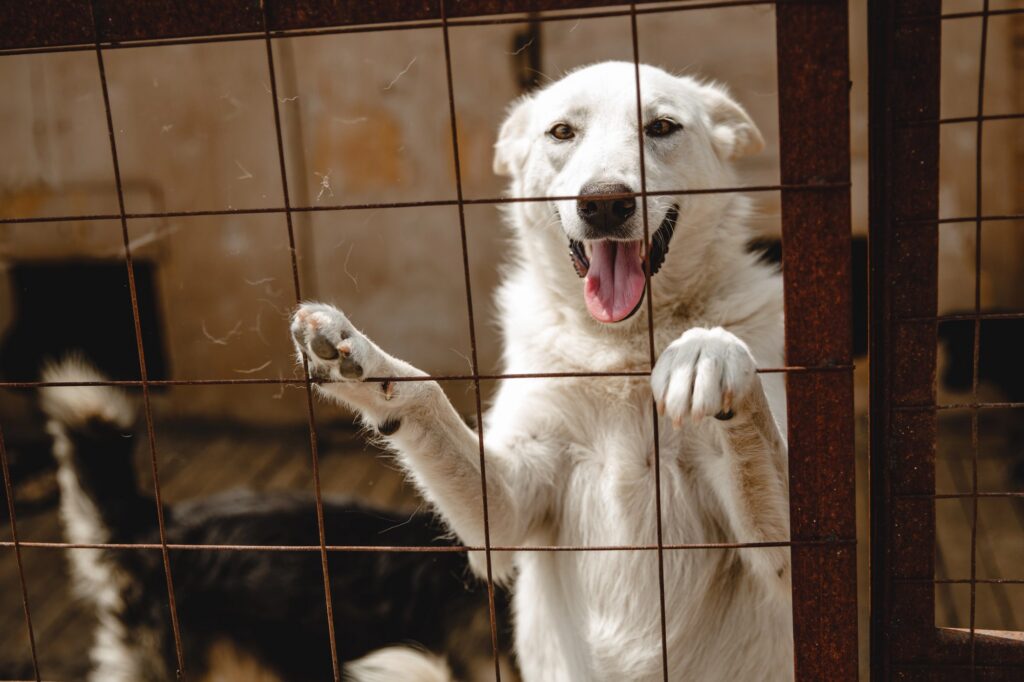
Lawmakers in Uzbekistan are preparing a draft law aimed at strengthening protections for animals and addressing animal cruelty more systematically, according to the Ecological Party’s faction in the Legislative Chamber. Despite a reported decline in incidents in recent years, cases of animal cruelty continue to be reported, often without a clear motive and sometimes for entertainment, the party said. Deputies argue that existing measures, although recently tightened, remain insufficient to fully address the problem. On March 25, Uzbekistan adopted amendments increasing penalties for animal cruelty. Under the revised rules, offenders may face fines ranging from 15 to 25 times the base calculation amount (approximately $34) or up to 15 days of administrative detention. However, lawmakers say these measures should be complemented by a broader legal framework. The new draft law, titled “On the Protection of Animals from Cruel Treatment,” is being developed as a comprehensive response. According to the party, it draws on international experience and is designed not only to punish violations but also to prevent them. Among its key provisions is a clearer legal definition of acts constituting animal cruelty, along with stricter prohibitions. The draft also proposes revising criminal liability, including increasing fines to up to 200 times the base calculation amount (approximately $6,775) or introducing prison sentences of up to one year. In addition, the legislation would require offenders to fully cover veterinary treatment costs for injured animals, even if those costs exceed the animal’s market value. It also outlines responsibilities for pet owners, including proper care and a ban on abandoning animals. The draft includes provisions to support the development of pet-friendly public spaces and proposes legal recognition of guide dogs and emotional support animals in public transport. It also emphasizes education and public awareness through schools and media to encourage more humane treatment of animals.

Kazakhstan Prepares for Its First-Ever Administrative Amnesty

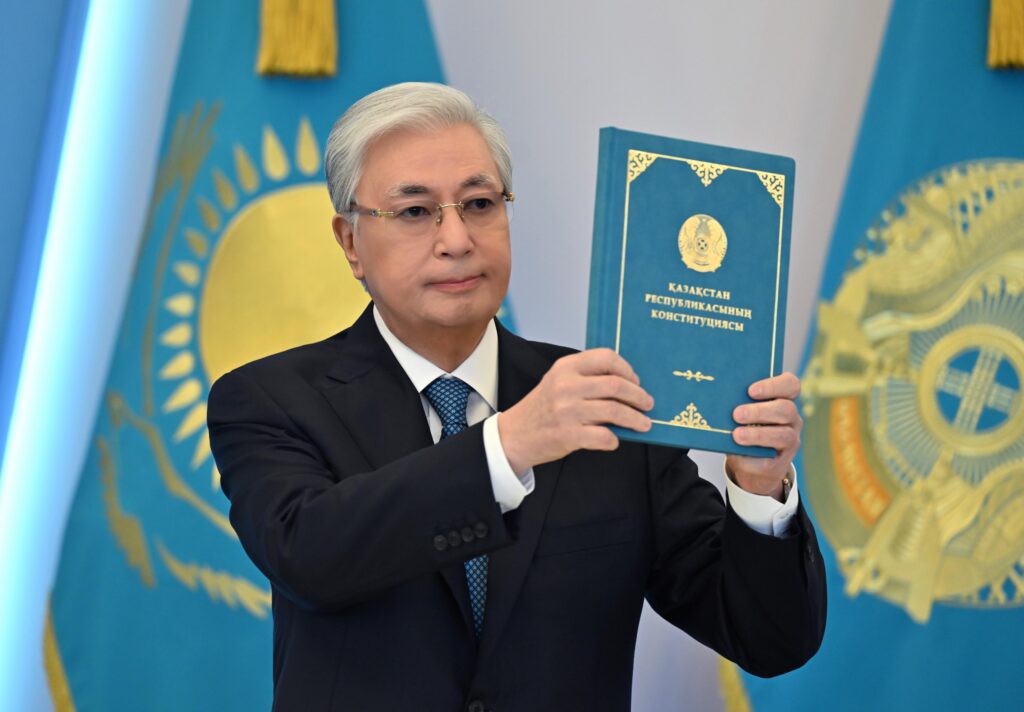
President Kassym-Jomart Tokayev has announced plans to introduce Kazakhstan’s first-ever administrative amnesty. The statement was made during a ceremony marking the adoption of the country’s new Constitution. In the past, Kazakhstan has periodically granted amnesties to individuals convicted of criminal offenses, often timed to coincide with national anniversaries. The most recent such amnesty was carried out in 2025 to mark the 30th anniversary of the Constitution. The new initiative is linked to the adoption of the updated Constitution. On March 15, a nationwide referendum was held in which a majority of voters supported the new basic law. The document is scheduled to enter into force on July 1, 2026. Speaking at the ceremony, Tokayev said that constitutional reform represents a transition to a new stage in the country’s development and requires a reassessment of the relationship between the state and society. “The People’s Constitution is a strategic mandate of trust and a new social contract aimed at long-term goals and horizons of progress,” the president said. He instructed parliament to adopt an amnesty law by the end of the current session. The proposed amnesty is expected to cover a range of criminal and administrative offenses that do not pose a threat to public or national security. The current parliamentary session is due to conclude at the end of June. Under the new Constitution, however, the powers of the existing parliament will cease on July 1, 2026, the same day the new constitutional framework enters into force. In the near future, five new constitutional laws are expected to be submitted to parliament, including legislation governing the presidency, the Kurultai (the future parliament), the Halyk Kenesi (People's Council), as well as laws regulating the status of the capital and the country’s administrative-territorial structure. According to Tokayev, eight existing constitutional laws and more than 60 regulatory acts, including key legal codes, will also require revision. These legislative changes are expected to be synchronized with upcoming parliamentary elections. Elections to the new unicameral parliament are likely to take place before the opening of the next parliamentary session, which traditionally begins on September 1. As a result, voting could be held within the coming months. “By that time, preparation of the necessary legal framework must be fully completed. The comprehensive transformation of Kazakhstan’s legal and political system will continue throughout this year and possibly into the next,” the president said. According to Tokayev, the reforms envisage the creation of new state institutions, as well as structural and personnel changes within existing government bodies.

Farmers, Courts, and Investors: Examining Recent Land Disputes in Uzbekistan

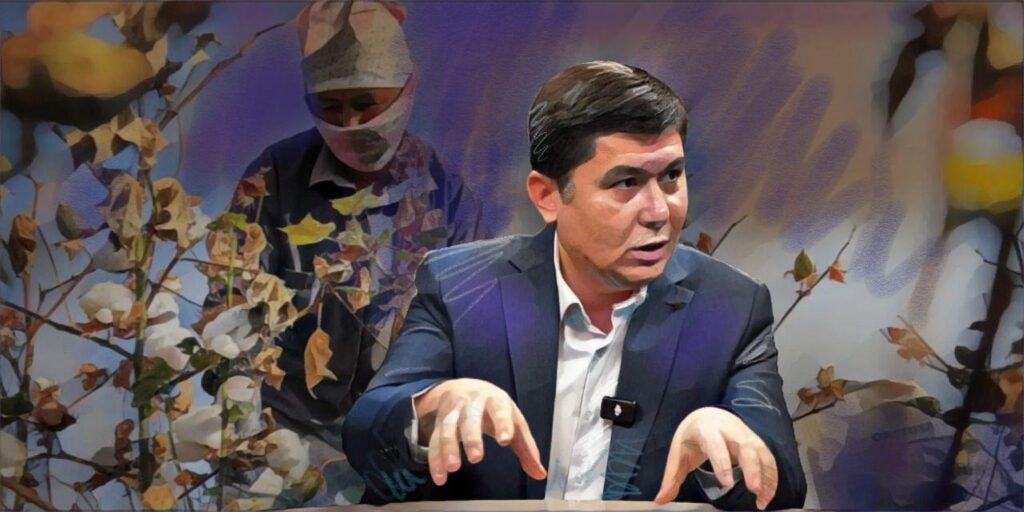
Uzbekistan’s agricultural sector is once again in the spotlight following a recent report by Human Rights Watch and the Uzbek Forum for Human Rights, which raised concerns about the treatment of cotton and wheat farmers under what it describes as a coercive state production system. At the same time, local agricultural representatives argue that the situation is more complex and that recent legal and institutional changes have improved farmers’ ability to defend their rights. The debate intensified earlier this year after complaints from farmers in parts of the Syrdarya region, particularly in the Xovos district, regarding land seizures linked to failure to meet so-called “normative yield” requirements. Komoliddin Ikromov, head of the Agrobiznes Association, has been among the most vocal local figures commenting on these developments. State Plan Abolished, but Normative Yields Remain According to Ikromov, it is important to distinguish between the former state production plan and the current regulatory framework. “There is no state plan now,” he said. “The state order was abolished in 2020. What exists today is the concept of rational land use. If a farm’s yield falls below the normative level for three consecutive years, then the land may be withdrawn, but only through a court decision.” While cotton state procurement was abolished beginning with the 2020 harvest, reforms affecting wheat and grain procurement were phased in and linked to the 2021 harvest. Ikromov referred to Article 36 of the Land Code, which sets out the procedure for termination of land-use rights where land is used irrationally or in violation of law. Detailed criteria — such as persistent underperformance relative to normative yield levels — are established in related regulatory acts rather than in the Land Code text itself. “Under current legislation, the khokim (local governor) cannot independently seize land,” Ikromov said. “The case must be submitted to the court. Only a court can decide.” Ikromov cited reforms adopted beginning in 2022 and subsequently strengthened by presidential measures in 2024, which expanded electronic auction procedures and curtailed direct administrative land allocation. Complaints from Farmers Beginning in January, the Agrobiznes Association started receiving complaints from farmers, mainly in Syrdarya. “I personally received about 50 to 60 appeals,” Ikromov said. “In total, there were more than 100 messages, mostly through Telegram.” According to him, many complaints concerned pressure to voluntarily surrender land leases through notarized statements. Farmers alleged that they were being encouraged or pressured to go to a notary and sign documents relinquishing their land. “These were not isolated cases,” he said. “In some districts, it was widespread. But after the issue was raised publicly, the process shifted. Now cases are going through courts.” Ikromov noted that unusual weather conditions contributed to the problem. Heatwaves and water shortages in 2024 made it difficult for some farmers to meet normative yield levels. In areas like Xovos, where soil fertility is relatively low, he said, agricultural production is already more challenging. Legal Process and Court Outcomes Following public attention, including Ikromov’s interview with the Uzbek outlet Kun.uz, land disputes increasingly...

Uzbekistan Proposes Ban on Marriages Between Relatives

Uzbekistan’s Ministry of Justice has drafted legislation that would ban marriages between distant blood relatives, including unions between uncles and nieces, aunts and nephews, and cousins up to the third degree, UzNews.uz reported. The proposed penalties for violating the ban include fines or correctional labor of up to two years. Exceptions would apply only in cases where one of the prospective spouses is an adopted child and no biological relationship exists. Under current law, Uzbekistan’s Family Code prohibits marriages between close blood relatives in a direct ascending or descending line, as well as between full and half-siblings and between adoptive parents and adopted children. The proposal follows alarming findings from a recent study highlighting the genetic risks associated with consanguineous marriages. According to Zamin.uz, researchers from the Center for Advanced Technologies have identified dozens of new genetic mutations in Uzbek individuals. The study revealed that every second child tested carried a hereditary mutation, and nearly 86% of children were found to be carriers of at least one damaged gene, twice the international average. Researchers attribute this trend to the high prevalence of kinship marriages, which in some Uzbek regions account for roughly one-quarter of all unions. Experts warn that these genetic anomalies not only increase the likelihood of hereditary disorders but also elevate the risks of diabetes, cardiovascular conditions, and cancer. The study's authors strongly recommend introducing genetic testing for couples prior to marriage as a public health measure.