• KGS/USD = 0.01144 0%
  • KZT/USD = 0.00218 0%
  • TJS/USD = 0.10642 -0.09%
  • UZS/USD = 0.00008 0%
  • TMT/USD = 0.28530 0%
  • KGS/USD = 0.01144 0%
  • KZT/USD = 0.00218 0%
  • TJS/USD = 0.10642 -0.09%
  • UZS/USD = 0.00008 0%
  • TMT/USD = 0.28530 0%
  • KGS/USD = 0.01144 0%
  • KZT/USD = 0.00218 0%
  • TJS/USD = 0.10642 -0.09%
  • UZS/USD = 0.00008 0%
  • TMT/USD = 0.28530 0%
  • KGS/USD = 0.01144 0%
  • KZT/USD = 0.00218 0%
  • TJS/USD = 0.10642 -0.09%
  • UZS/USD = 0.00008 0%
  • TMT/USD = 0.28530 0%
  • KGS/USD = 0.01144 0%
  • KZT/USD = 0.00218 0%
  • TJS/USD = 0.10642 -0.09%
  • UZS/USD = 0.00008 0%
  • TMT/USD = 0.28530 0%
  • KGS/USD = 0.01144 0%
  • KZT/USD = 0.00218 0%
  • TJS/USD = 0.10642 -0.09%
  • UZS/USD = 0.00008 0%
  • TMT/USD = 0.28530 0%
  • KGS/USD = 0.01144 0%
  • KZT/USD = 0.00218 0%
  • TJS/USD = 0.10642 -0.09%
  • UZS/USD = 0.00008 0%
  • TMT/USD = 0.28530 0%
  • KGS/USD = 0.01144 0%
  • KZT/USD = 0.00218 0%
  • TJS/USD = 0.10642 -0.09%
  • UZS/USD = 0.00008 0%
  • TMT/USD = 0.28530 0%

Viewing results 1 - 6 of 304

Kyrgyz Businesses React With Cautious Optimism To Tax Amnesty

The Kyrgyz government has announced a tax amnesty aimed at easing the financial burden on businesses and reducing the workload of the State Tax Service (STS). However, local entrepreneurs have received the initiative with cautious optimism. As part of the amnesty, President Sadyr Japarov has decreed the exemption of taxes on agricultural land, the cancellation of private vehicle taxes for citizens, and the write-off of all tax debts accrued before January 1, 2022. The initiative has been met with mostly positive reactions from Kyrgyzstan’s business community. Entrepreneurs noted that many small and medium-sized enterprises in the country are burdened with significant debts to the state. They believe this measure has the potential to improve the business climate - provided the government maintains a stable and predictable tax policy. “Such decisions were likely made to support entrepreneurs during a challenging economic period, stimulate economic activity, and improve the overall state of business in the country. It could also be part of a broader strategy to foster trust between the government and the business community,” the JIA Business Association, one of Kyrgyzstan’s largest business groups, told the Times of Central Asia. By writing off debts, the JIA representatives said, the government will significantly ease the financial strain on businesses across various sectors. This would allow many entrepreneurs to focus on recovery and growth, particularly after the economic setbacks caused by the COVID-19 pandemic. Despite these positives, the association expressed concerns over the fairness of the tax amnesty. “We hope that the amnesty will also include those businesses that were declared debtors by court decisions, but remain unable to pay their debts to this day. Additionally, there are social businesses - such as those in education and healthcare - that are registered as non-profit organizations but still face tax burdens. Including these entities in the amnesty would ensure greater fairness and also ease the workload of the tax service,” a JIA spokesperson explained. However, under the presidential decree, businesses or individuals with tax debts resulting from court rulings are not eligible for the amnesty. The Kyrgyz presidential administration estimates that the amnesty will result in the write-off of approximately 11 billion KGS (around $126 million) in tax debts for over 20,000 businesses. But while this decision is welcomed by many, it has drawn criticism from some quarters. Market representatives argue that the amnesty may be unpopular among diligent taxpayers who have consistently fulfilled their tax obligations and do not owe the state. Nonetheless, they acknowledged that the government’s decision demonstrates a willingness to be flexible. This includes addressing other concerns, such as issues surrounding the introduction of electronic commodity invoices, which have been controversial among entrepreneurs. “In the past three years, there has been significant progress in reforming tax administration. We anticipate further reforms, such as limiting the application of electronic goods invoices (ETNs) to specific types of goods or simplifying their use for small and medium-sized businesses. Efforts to improve digital tools for businesses, streamline tax administration, and increase public and business...
Kyrgyzstan Simplifies Entry Rules for Foreign Citizens

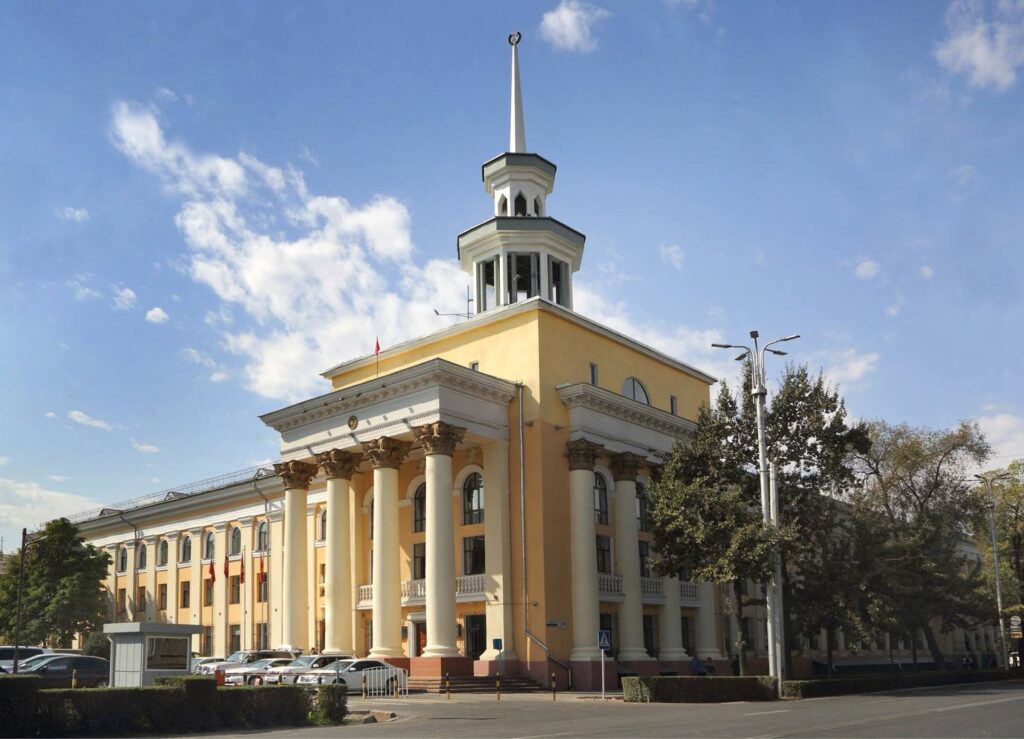
Kyrgyzstan has introduced significant changes to its visa policy, eliminating several visa categories, including business, tourist, and mountain tourism visas, as part of efforts to improve its investment climate and boost tourism. These visas will now be replaced with a streamlined system centered around a new “Sapar visa”, which can be issued within 24 hours of application. According to the Ministry of Foreign Affairs, the Sapar visa will be available to foreign citizens traveling to Kyrgyzstan for business, tourism, or private purposes, such as visiting friends or undergoing medical examinations. The visa allows stays of up to 90 days and offers both single-entry and multiple-entry options. The changes will take effect on January 22, 2025, with applications submitted through the government’s Electronic Visa portal. The e-visa portal, launched five years ago, was developed to simplify the visa application process, particularly for tourists and investors. The system is user-friendly, requiring only an internet connection, a credit or debit card for payment, and scanned copies of necessary documents. By modernizing its visa policies and making the process faster and more accessible, Kyrgyzstan hopes to attract more foreign investors and tourists, bolstering economic growth. The government’s approach reflects a commitment to removing bureaucratic hurdles and positioning the country as an attractive destination for both business and leisure travel.

The National Bank of Kyrgyzstan Seeks Greater Control Over Commercial Banks

The National Bank of the Kyrgyz Republic (NBKR) has proposed a draft law aimed at regulating tariffs and commissions for banking and payment services provided by commercial banks. The proposal has been published for public discussion on the official government portal Koomtalkuu. The NBKR argues that the regulation is necessary to improve the accessibility of banking services for Kyrgyz citizens. While the current system of free pricing for banking services fosters competition, encourages better customer service and allows for economic flexibility, the regulator is concerned that it also creates barriers for certain segments of the population. “Under competition, some financial organizations may use hidden fees or complex tariff structures, which make it difficult for customers to understand the true cost of services. This also complicates the ability to compare offers and select the most favorable option,” the bill’s background brief states. The National Bank told The Times of Central Asia that interest rates on loans from banks and microfinance institutions in Kyrgyzstan can reach 33–34% per annum. Such high rates significantly increase the financial strain on citizens, reducing the availability of credit. “High tariffs also increase financial burdens on businesses, driving up operational costs. This can lead to higher prices for goods and services, dampened business activity, and reduced consumer demand. In turn, this creates additional risks for banks and the economy as a whole,” the NBKR explained. The central bank also expressed concerns about the potential for market abuse by large financial players. It noted that dominant institutions could inflate fees to suppress competition, discouraging innovation and slowing the development of more affordable financial products. The NBKR argues that Kyrgyzstan needs fair, transparent, and economically justified tariffs for banking services to mitigate these issues. The regulator believes such measures would reduce financial strain on consumers and businesses while fostering a more competitive and innovative banking sector. As of October 1, 2024, Kyrgyzstan's financial sector comprised: 21 banks; 194 non-bank financial and credit institutions; 3 credit bureaus; 1 guarantee fund; 41 payment organizations; and 40 payment system operators. This diverse and growing financial ecosystem underscores the importance of effective regulation to ensure broad accessibility and equitable practices in the banking sector.

Uzbekistan Adds to List of Banned Extremist Content

The Supreme Court of Uzbekistan has significantly expanded its list of materials classified as extremist, terrorist, or fanatical, prohibiting their import, production, distribution, and display within the country. Compared to last year’s version, which included over 800 items, the updated list now features 1,389 banned materials in audio, video, and text formats​. The list has grown considerably across social media platforms: 203 Facebook pages (up from approximately 150); 713 Telegram channels (almost doubling from 400); 226 Instagram accounts (previously around 100); 135 YouTube channels; 35 Odnoklassniki pages; 44 TikTok pages; 13 websites; and 20 other sources. The identification of these materials is a joint effort by the Committee on Religious Affairs, the State Security Service, the Ministry of Internal Affairs, and the Agency for Information and Mass Communications​. Legal Framework Under Uzbekistan’s Law on Countering Extremism, the distribution, storage, or demonstration of such materials is strictly prohibited, and access to them must be restricted​. Violations of these provisions may result in criminal liability under the nation’s Criminal Code, as they pose a threat to public security and order​. Historical Context Uzbekistan has steadily tightened its measures to combat extremist content. In 2018, the government adopted a decree allowing the blocking of media outlets that “promote extremist, propaganda, or hateful content on the Internet”​. The following year, the Ministry of Justice published a list of 40 information resources identified as extremist​. Subsequent updates to the list have reflected the government’s evolving focus on countering online extremism.

Kyrgyzstan Announces Tax Amnesty

The Kyrgyz government has introduced a tax amnesty as part of its efforts to ease the financial burden on citizens and stimulate economic activity. President Sadyr Japarov directed the government to draft the necessary legislation and submit it to the country's Parliament, the Jogorku Kenesh, for approval​. One key measure is the abolition of the annual tax on movable property, previously ranging from $10 to $20 depending on vehicle engine capacity. Instead, this tax will now be incorporated into the price of gasoline, resulting in a one som (KGS) increase in fuel costs. “The Cabinet of Ministers of the Kyrgyz Republic is instructed to submit within two months a proposal to exempt vehicle owners from tax obligations unfulfilled as of January 1, 2025, provided there is no judicial act of recovery,” states the presidential decree. Tax Relief for Farmers and Entrepreneurs Farmers will benefit from a suspension of the agricultural land tax until 2030. Additionally, Japarov has prohibited tax authorities from conducting inspections of businesses except for unscheduled checks in cases where an organization or entrepreneur ceases operations. Citizens with tax debts as of January 1, 2022, will also be exempted from repaying those amounts. While the move has been welcomed by many Kyrgyz entrepreneurs, who see it as a step toward fostering business growth, it has also sparked mixed reactions. Some citizens who have already paid their taxes expressed frustration on social media, questioning the fairness of the amnesty. Changes to Tax Administration In a related development, Japarov instructed the Cabinet of Ministers to revise the system of electronic delivery notes used for monitoring business turnover and tax compliance. The updated system will retain electronic invoicing for a limited list of goods, with all other products exempt from such requirements. The recent reforms build on efforts initiated under Almambet Shykmamatov, the new head of the State Tax Service, to streamline Kyrgyzstan’s tax system and reduce administrative burdens on businesses​​.

Central Asia Tackles Plastic Pollution with Bag Ban Initiatives

Globally, an estimated 5 trillion plastic bags are used every year. These bags take approximately 1,000 years to decompose in landfills and do not fully break down. Instead, they photodegrade into microplastics, which absorb toxins and continue to pollute the environment. Recognizing the urgency of this issue, Central Asian countries are committing to phasing out plastic bags, each pursuing distinct approaches. Uzbekistan Uzbekistan plans to introduce a draft national program to reduce plastic pollution for 2025–2027. This initiative is part of the draft State Program for the Implementation of the Strategy "Uzbekistan-2030" in the Year of Environmental Protection and Green Economy, currently under public discussion. The proposal includes: A ban on the production, import, and use of plastic bags starting in 2027. Promoting environmentally friendly, biodegradable packaging. Regulating harmful chemicals in plastic products. Encouraging recycled plastic use in packaging through established coefficients. The draft program is expected to be developed by September 2025 and submitted to the Cabinet of Ministers by November 2025. A related draft presidential decree outlines additional measures, such as: Developing legislation requiring manufacturers and importers of plastic packaging to collect and dispose of plastic waste. Establishing collection and disposal facilities. Imposing a disposal fee for plastic waste by November 1, 2025. Kazakhstan Kazakhstan had initially planned to ban plastic bags by 2025. However, the Ministry of Ecology and Natural Resources determined that the country is not yet prepared for this transition. Research reveals a significant gap: while the consumption of plastic tableware and packaging exceeds 430 million pieces annually, the production of alternative materials is limited to only 10 million pieces. This disparity highlights the urgent need to develop sustainable packaging solutions before implementing a comprehensive ban. Kyrgyzstan Kyrgyzstan is set to ban the use of polyethylene bags and plastic nationwide starting January 1, 2027. The Law on Limiting the Circulation of Polymer Film and Plastic Bags in the Territory of the Kyrgyz Republic, signed by President Sadyr Japarov in 2023, outlines penalties for violations: For citizens: Fines of 10,000 KGS (approximately $114.90). For legal entities: Fines of 28,000 KGS (approximately $321.80). Warnings will be issued for first-time violations involving the free distribution of plastic bags. Subsequent violations will incur fines: For legal entities: 5,000 KGS (approximately $57.40). For individuals: 1,000 KGS (approximately $11.40). Tajikistan Tajikistan will implement a ban on the import and use of plastic bags starting January 1, 2025. To support this transition, authorities have focused on developing environmentally friendly packaging alternatives made from materials such as cardboard, paper, fabric, ceramics, and biodegradable polymers.   These varied approaches reflect the commitment of Central Asian countries to tackling the global challenge of plastic pollution. By balancing environmental priorities with practical considerations, these nations aim to create a cleaner, more sustainable future.