• KGS/USD = 0.01144 0%
  • KZT/USD = 0.00217 0%
  • TJS/USD = 0.10642 -0.09%
  • UZS/USD = 0.00008 0%
  • TMT/USD = 0.28530 0%
  • KGS/USD = 0.01144 0%
  • KZT/USD = 0.00217 0%
  • TJS/USD = 0.10642 -0.09%
  • UZS/USD = 0.00008 0%
  • TMT/USD = 0.28530 0%
  • KGS/USD = 0.01144 0%
  • KZT/USD = 0.00217 0%
  • TJS/USD = 0.10642 -0.09%
  • UZS/USD = 0.00008 0%
  • TMT/USD = 0.28530 0%
  • KGS/USD = 0.01144 0%
  • KZT/USD = 0.00217 0%
  • TJS/USD = 0.10642 -0.09%
  • UZS/USD = 0.00008 0%
  • TMT/USD = 0.28530 0%
  • KGS/USD = 0.01144 0%
  • KZT/USD = 0.00217 0%
  • TJS/USD = 0.10642 -0.09%
  • UZS/USD = 0.00008 0%
  • TMT/USD = 0.28530 0%
  • KGS/USD = 0.01144 0%
  • KZT/USD = 0.00217 0%
  • TJS/USD = 0.10642 -0.09%
  • UZS/USD = 0.00008 0%
  • TMT/USD = 0.28530 0%
  • KGS/USD = 0.01144 0%
  • KZT/USD = 0.00217 0%
  • TJS/USD = 0.10642 -0.09%
  • UZS/USD = 0.00008 0%
  • TMT/USD = 0.28530 0%
  • KGS/USD = 0.01144 0%
  • KZT/USD = 0.00217 0%
  • TJS/USD = 0.10642 -0.09%
  • UZS/USD = 0.00008 0%
  • TMT/USD = 0.28530 0%

Viewing results 1 - 6 of 304

Low Revenues Cast Doubt on Kyrgyzstan’s Casino Legalization Efforts

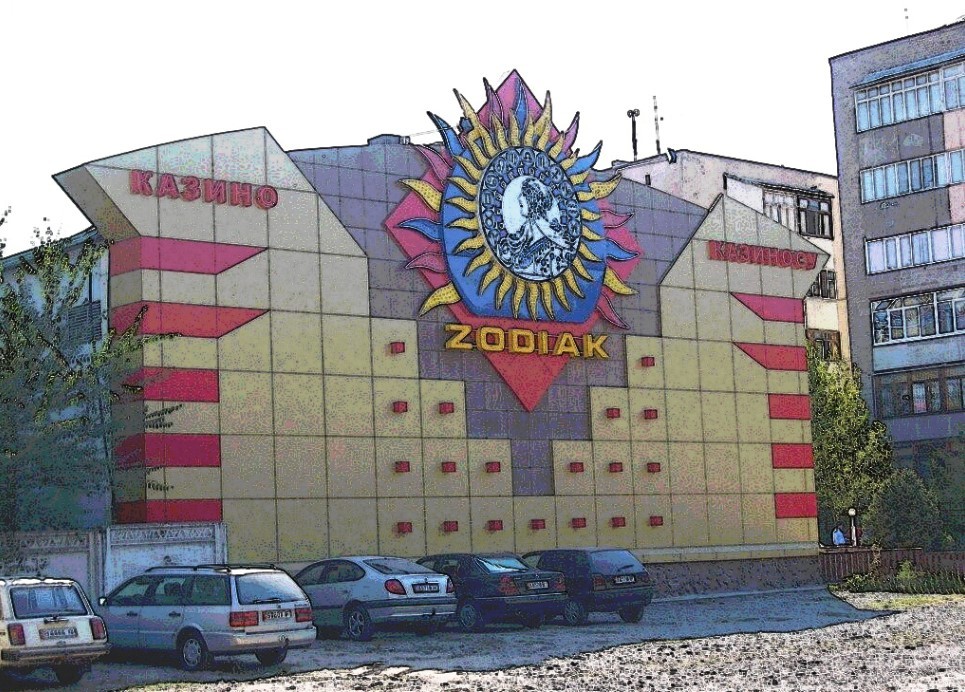
After a decade-long prohibition, Kyrgyzstan legalized gambling - for foreigners - in 2022, anticipating a substantial boost to state revenues. Authorities projected billions of Kyrgyz Som (KGS) in revenue from casinos, betting shops, and slot machines. However, the actual contributions to the state budget have been far more modest, amounting to only a few hundred million KGS. According to official figures, Kyrgyzstan currently hosts three operating casinos. In their first year, these establishments paid KGS 97 million (approximately $1.1 million) in taxes and other budgetary contributions. By 2024, this figure is expected to rise to KGS 270 million ($3.1 million). While this reflects growth, it remains below the ambitious expectations set by the government. The underwhelming results have sparked criticism from legislators. Last year, members of parliament voiced dissatisfaction with the meager revenues. MP Sultanbay Aizhigitov expressed frustration, stating: "There is almost no benefit to the state from casino activity. It is a business controlled by five or six individuals, and it causes significant harm. The initiative has not justified itself. Do we need casinos at all? Perhaps it's better to shut them down." Recent data reveals that the majority of gambling revenue - KGS 258 million ($2.8 million) -came from casinos. Betting shops contributed KGS 11 million ($125,000), while slot machine operators added a mere KGS 1.8 million ($20,500). Notably, the 2022 legislation legalizing gambling in Kyrgyzstan stipulates that only foreign citizens may participate in such activities. Kyrgyz nationals caught gambling face fines, along with the casino hosting them. In an effort to boost revenues, the government has permitted casinos to operate in state-owned buildings and hotels with government stakes. Despite these measures, however, the financial benefits of gambling legalization remain a contentious issue, with critics questioning its overall value to the country.

Cabotage Transportation in Eurasia: Expanding Connectivity, or Creating Unequal Conditions?

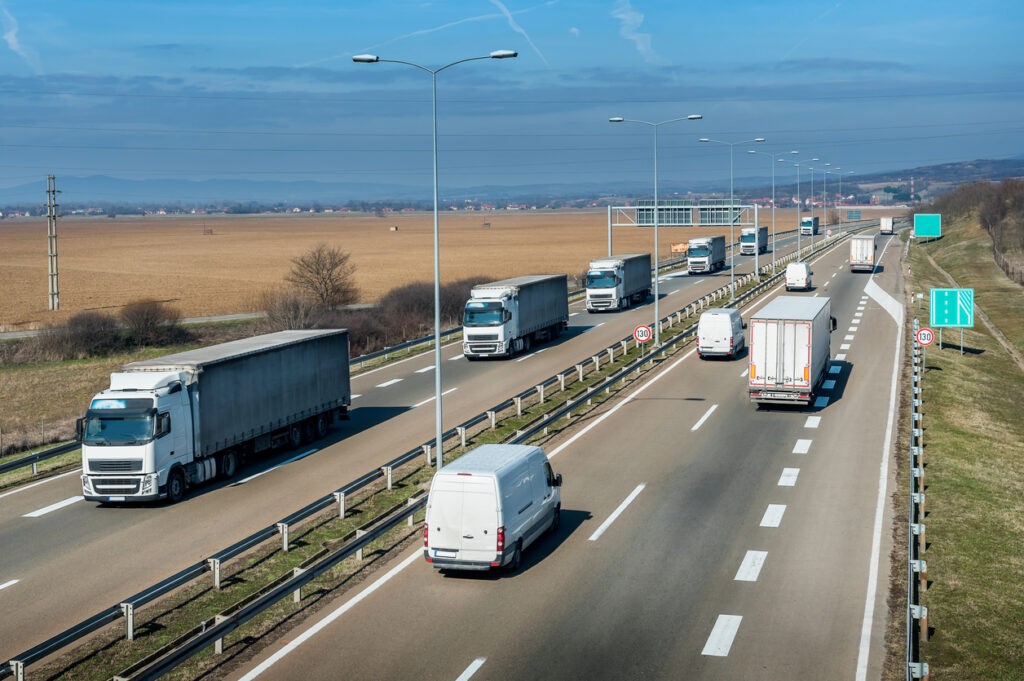
Freight transportation by road is the most popular and versatile type of shipping due to its mobility, flexibility, and accessibility. This sector is expected to undergo significant changes in Kazakhstan and other member states of the Eurasian Economic Union (EAEU) starting in 2025. However, industry experts warn that these changes could lead to domestic market losses for Kazakhstani participants. Starting January 1, 2025, transportation companies from EAEU member states will be allowed to carry out cabotage transportation -- shipment of goods between two places in the same country -- within Kazakhstan. This means that foreign carriers will be permitted to perform up to three domestic deliveries in the country following their international shipment. For example, a Russian truck delivering goods to Almaty may complete up to three cabotage shipments within Kazakhstan between cities over seven days on its return route. However, experts suggest this measure could lead to domestic international road carriers losing their market share to foreign operators from Russia and Belarus, who are currently limited by sanctions. According to Ivan Yanson, director of the representative office of the Union of International Road Carriers of the Republic of Kazakhstan in Astana, currently, Belarus has about 40,000 vehicles engaged in international freight transportation, and Russia has a similar number. Meanwhile, Kazakhstan's fleet consists of approximately 15,000 trucks. This discrepancy in fleet size is a key factor influencing competitiveness. Another critical issue is the average age of Kazakhstan’s fleet, which exceeds 20 years. However, high wear and tear and the need for modernization are hindered by the high cost of tractor-trailers, recycling fees, and registration charges, which are often unaffordable for Kazakhstani entrepreneurs. In light of this, local carriers have repeatedly proposed postponing the decision to open Kazakhstan’s market to cabotage. Meanwhile, the development of cabotage in EAEU countries is part of the Union's Transport Policy for 2024–2026. Lawmakers believe these measures aim to expand trade connections and attract new companies. They argue that cabotage liberalization will help reduce empty mileage for EAEU road carriers, thereby lowering freight transportation costs. Kazakhstan's Ministry of Transport also emphasizes that opening the cabotage market will not cause financial or other negative consequences for domestic businesses. According to Deputy Minister Maksat Kaliakparov, carriers will only be allowed to perform up to three consecutive domestic shipments within another EAEU member state using the same vehicle, ensuring equal access for all. Currently, Kazakhstan is conducting internal procedures to amend its road transport legislation to align with the phased liberalization program for cabotage freight transportation, which began on January 1. “These amendments to national legislation are expected to be adopted in the first half of this year,” stated a government representative. The anticipated outcomes include fostering competition in the road transport services market, modernizing the truck fleet, establishing uniform conditions and rules for freight transport services within the EAEU, improving vehicle efficiency for international freight transport, and reducing environmental impact by using modern vehicles. Nevertheless, the effects of these legislative changes cannot be fully assessed until they are...

Kyrgyzstan Aims to Integrate Cryptocurrencies with Licensed Crypto Banks

Kyrgyzstan’s Ministry of Economy and Commerce has submitted a draft law titled "On Amendments to Certain Legislative Acts of the Kyrgyz Republic in the Sphere of Virtual Assets" to the country’s parliament. The proposed legislation aims to establish licensed crypto banks to provide regulated banking services related to digital assets and cryptocurrencies. The Ministry emphasized the urgency of integrating crypto assets into Kyrgyzstan's financial system, citing the rapid growth of digital technologies and cryptocurrencies. In its commentary on the bill, the Ministry stated: “Given the rapid development of digital technologies and cryptocurrencies, the creation of a crypto bank is an urgent necessity for the integration of crypto assets into the traditional financial system of the country. A crypto bank will ensure safe, regulated, and convenient interaction of citizens and businesses with cryptocurrencies.” The Ministry identified several key goals for the proposed crypto bank: To legalize and regulate the cryptocurrency market by establishing clear rules and standards. To increase trust in crypto assets while ensuring the protection of users’ rights. To mitigate risks of fraud and unauthorized access to funds. The Ministry also highlighted the potential economic benefits of introducing a crypto bank. Legalizing cryptocurrency transactions would increase transaction volumes and boost tax revenues. Additionally, the initiative is expected to create new jobs in the fintech sector, positioning Kyrgyzstan as a regional hub for financial innovation. Kyrgyzstan already taxes cryptocurrency mining, with a rate of 10% applied to electricity costs for mining activities. This rate includes VAT and sales tax. From January to November 2024, Kyrgyzstan collected 46.6 million KGS (approximately $537,000) in cryptocurrency mining taxes, nearly half the total collected in 2023, according to the Ministry of Finance. While public interest in cryptocurrencies is growing among individuals and businesses in Kyrgyzstan, the market remains poorly regulated. The Ministry believes that a licensed crypto bank will address these challenges, increasing transparency, trust, and financial security. By adopting this legislation, Kyrgyzstan seeks to modernize its financial system and embrace emerging opportunities in the digital economy.

Shakespearean Passions Unfold in Turkmen Village Over Marriage Dispute

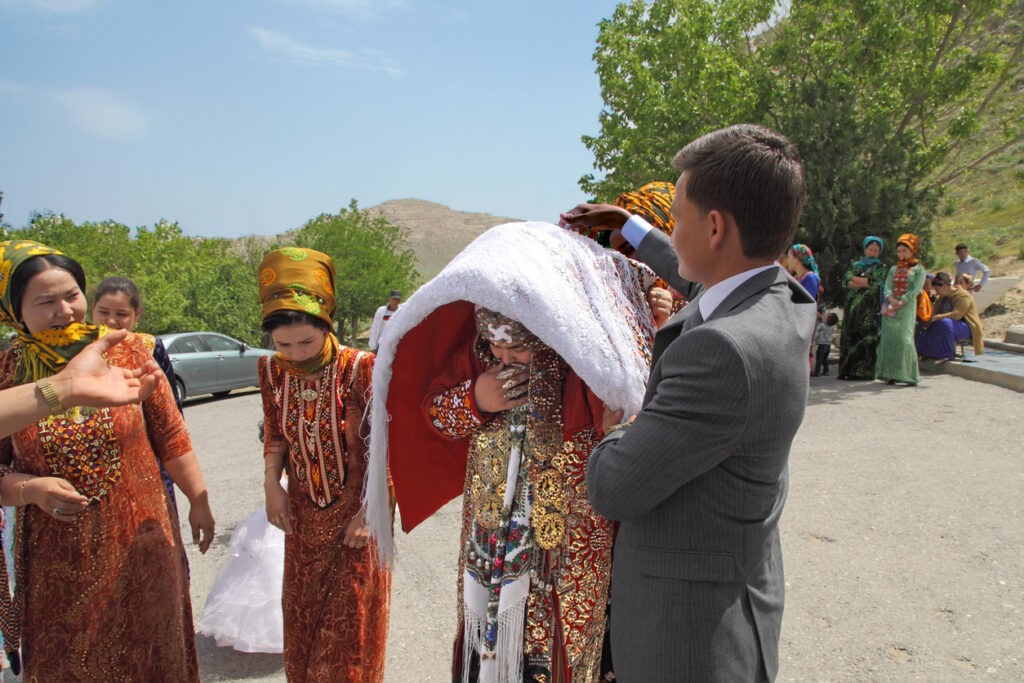
A heated conflict erupted in the village of Yangala in Turkmenistan's Ahal province over an 11th-grade girl's decision to marry her boyfriend from a neighboring village. The girl's parents firmly opposed her plans to marry a young man from Kopetdag, sparking tensions that escalated dramatically on December 31 when the girl ran away with her fiancé. In an attempt to resolve the situation peacefully, elders and relatives from the fiancé’s side formed a delegation to negotiate with the girl’s family. The six-member group, which included a 75-year-old elder, visited the girl’s home but was met with hostility. The negotiations devolved into a violent altercation, with verbal insults escalating to physical confrontation. The girl's relatives pelted the visitors' cars with stones, smashing windows and headlights. One of the delegates suffered injuries from a hunting rifle loaded with salt. Police intervened, detaining several individuals involved in the fight, while the injured were taken to the hospital. The elder, who sustained bruises during the skirmish, refused to press charges, stating, “I came to settle the conflict, not to bring any of the girl's family to jail.” To de-escalate the situation, the district khakim (head of the local administration) convened a meeting with representatives from both families. The khakim tasked his deputy with finding a resolution acceptable to all parties within 15 days. He warned that if reconciliation proved impossible, the case would be referred to the prosecutor's office. The incident highlights the ongoing challenges faced by women in Turkmenistan, particularly in matters of marriage. Despite legal guarantees of gender equality under the country’s Family Code, which states that marriage requires the free and full consent of both parties, societal norms and family pressures often undermine these rights. Women in Turkmenistan frequently face coercion and violence when their choice of spouse conflicts with family expectations. International human rights organizations have repeatedly reported violations of women’s rights in the country. A UN Foundation report reveals that 12% of Turkmen women have experienced physical or sexual violence within the family, though the real figures are likely higher due to underreporting in the country’s restrictive environment. The lack of effective legal mechanisms to protect women from domestic violence further exacerbates their vulnerability. Women who defy family opposition to marriage often face social stigmatization and even violence. The turmoil in Yangala illustrates the enduring influence of patriarchal traditions in Turkmen society and the broader struggle for women’s rights. As authorities work to mediate the conflict, the case underscores the urgent need for stronger protections for women in Turkmenistan to ensure that their legal rights are upheld in practice.

Uzbekistan Introduces New Rules for E-Commerce Platforms

The Cabinet of Ministers of Uzbekistan has issued a new decision titled “On Measures to Further Develop the E-Commerce Sector in Uzbekistan”, introducing updated regulations for e-commerce operators, including electronic trading platforms, order aggregators, and digital streaming service providers. Under the new regulations, only legal entities registered as residents of Uzbekistan can operate as e-commerce providers. This includes platforms that facilitate electronic transactions, such as marketplaces, aggregators, and streaming services. Entities or individual entrepreneurs that merely provide information about goods, services, or digital products without engaging in electronic contracts or transactions are not classified as e-commerce operators under these rules. From July 1, 2025, e-commerce operators in Uzbekistan must adhere to the following conditions: Legal Registration: Operators must be registered as legal entities in Uzbekistan. Compliance with Laws: Operators are required to follow legislation related to e-commerce, personal data protection, copyright, consumer rights, and advertising. Transparency: Upon request, they must provide information about their activities to authorized bodies free of charge. Retail Trade Rules: Operators must comply with retail trade regulations. Operational Standards: They must maintain an information system capable of ensuring the effective provision of services to e-commerce participants. These new measures are part of Uzbekistan’s broader efforts to regulate and encourage growth in its rapidly expanding e-commerce sector. Meanwhile, The Times of Central Asia previously reported that Russian e-commerce giant Wildberries is planning to enter the Tajikistan and Turkmenistan markets. Wildberries currently operates in Uzbekistan, Kyrgyzstan, Belarus, Kazakhstan, and Russia, offering a wide range of products, including clothing, footwear, electronics, and home furnishings. By setting clear rules for e-commerce operators, Uzbekistan aims to create a more structured and reliable digital marketplace, ensuring transparency, consumer protection, and compliance with international standards.

Kyrgyzstan Strengthens Fight Against Corruption

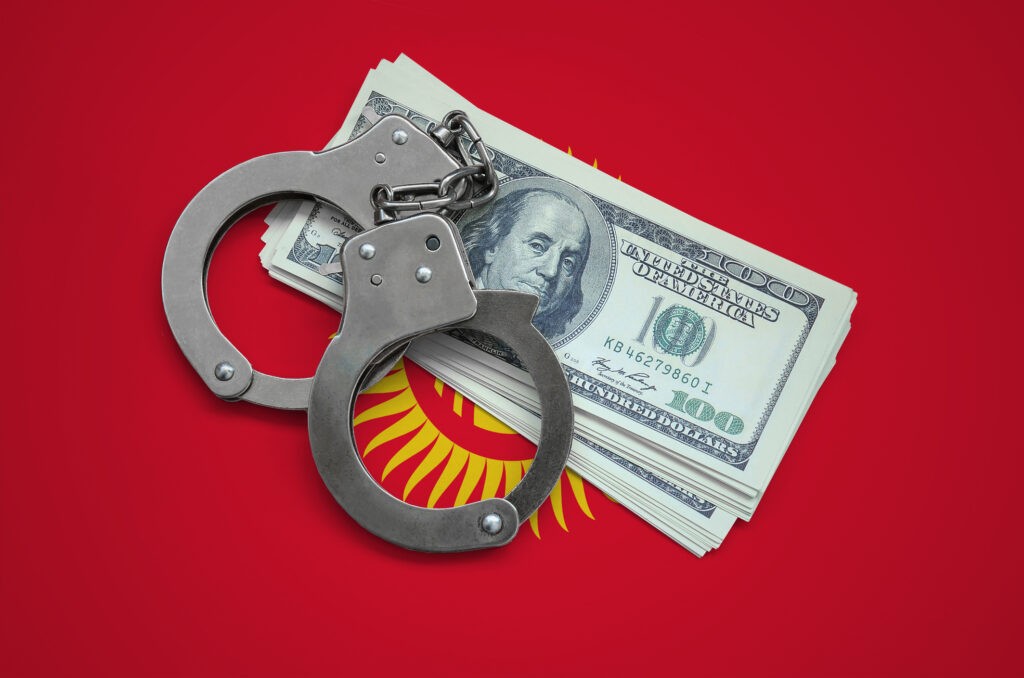
Kyrgyzstan’s president, Sadyr Japarov, has signed a new law to intensify the fight against corruption by introducing tougher penalties for offenders and eliminating opportunities for them to avoid imprisonment. Under the new legislation, individuals convicted of corruption will no longer be able to pay fines or compensate the state for damages in exchange for avoiding prison sentences. Instead, they will be required to serve a mandatory prison term - even if they confess to their crimes. The new law amends Article 79 of Kyrgyzstan’s Criminal Code by adding Part 1/1. According to this amendment: Offenders who plead guilty and fully compensate the material damage caused to the state for crimes listed under Articles 336-348 (corruption and other offenses against state and municipal interests) must receive a prison sentence. The sentence will be no less than half the minimum term prescribed under the relevant criminal article. Additionally, corrupt individuals will be permanently barred from holding state or municipal positions, regardless of whether their criminal record is later expunged. This law signals Kyrgyzstan’s commitment to eradicating corruption within state structures. Authorities believe it will create the necessary mechanisms to deter corrupt activities and hold offenders accountable. One of the country’s most high-profile corruption cases involved former customs officer and oligarch Raimbek Matraimov, nicknamed “Million.” As previously reported by The Times of Central Asia, Matraimov avoided imprisonment by paying over $200 million to the state, sparking public outrage over leniency in sentencing. The new law addresses such loopholes, ensuring that financial restitution alone will no longer suffice to escape imprisonment. This reform underscores Kyrgyzstan’s broader efforts to strengthen governance, restore public trust, and ensure accountability at all levels of government.