
• KGS/USD = 0.01144 0%
  • KZT/USD = 0.00215 0%
  • TJS/USD = 0.10659 0%
  • UZS/USD = 0.00008 0%
  • TMT/USD = 0.28530 0%
  • KGS/USD = 0.01144 0%
  • KZT/USD = 0.00215 0%
  • TJS/USD = 0.10659 0%
  • UZS/USD = 0.00008 0%
  • TMT/USD = 0.28530 0%
  • KGS/USD = 0.01144 0%
  • KZT/USD = 0.00215 0%
  • TJS/USD = 0.10659 0%
  • UZS/USD = 0.00008 0%
  • TMT/USD = 0.28530 0%
  • KGS/USD = 0.01144 0%
  • KZT/USD = 0.00215 0%
  • TJS/USD = 0.10659 0%
  • UZS/USD = 0.00008 0%
  • TMT/USD = 0.28530 0%
  • KGS/USD = 0.01144 0%
  • KZT/USD = 0.00215 0%
  • TJS/USD = 0.10659 0%
  • UZS/USD = 0.00008 0%
  • TMT/USD = 0.28530 0%
  • KGS/USD = 0.01144 0%
  • KZT/USD = 0.00215 0%
  • TJS/USD = 0.10659 0%
  • UZS/USD = 0.00008 0%
  • TMT/USD = 0.28530 0%
  • KGS/USD = 0.01144 0%
  • KZT/USD = 0.00215 0%
  • TJS/USD = 0.10659 0%
  • UZS/USD = 0.00008 0%
  • TMT/USD = 0.28530 0%
  • KGS/USD = 0.01144 0%
  • KZT/USD = 0.00215 0%
  • TJS/USD = 0.10659 0%
  • UZS/USD = 0.00008 0%
  • TMT/USD = 0.28530 0%

Viewing results 1 - 6 of 4

“Winter Begins in Karakol”: Kyrgyzstan Launches Ski Season with Cultural Events

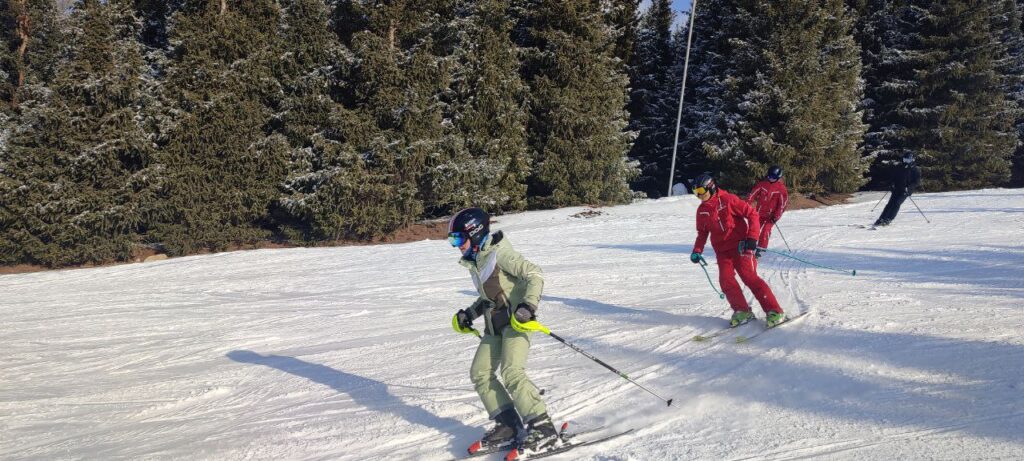
The winter tourist season has officially opened in Karakol, Kyrgyzstan, long considered one of Central Asia’s top destinations for active winter tourism. The city is traditionally the first in the country to open its ski slopes, and this year’s launch was not merely technical, but a full-scale event aimed at boosting both domestic and international tourism. A festive program was held at the ski base, featuring music and dance performances, as well as the launch of the “Jaryk Fest” festival. Local artisans hosted master classes in felt-making, showcasing clothing and souvenir production. This crafts section played an important role in positioning the region as a cultural as well as an adventure destination. [caption id="attachment_40525" align="aligncenter" width="402"] @TCA[/caption] “Jaryk Fest is a celebration of light, snow, and vivid emotions. It’s timed to coincide with the opening of the winter season across Kyrgyzstan. We even have a slogan: ‘Winter begins in Karakol,’” said Ulukbek Almakebek, manager of the Karakol ski resort, in an interview with The Times of Central Asia. According to the organizers, the resort continues to draw tourists from Russia and Kazakhstan, but recent years have seen a notable rise in visitors from Europe and Southeast Asia, a trend that Kyrgyzstan is actively encouraging by expanding its winter tourism offerings. Skiers highlight Karakol’s unique terrain as one of its main attractions. Many of the trails pass through dense coniferous forests, creating picturesque and varied descents not found at other regional resorts. Erdenet Kasymov, director of the Kyrgyzstan Tourism Department, noted that winter tourism is rapidly diversifying. In addition to traditional skiing and hot springs, European tourists are increasingly opting for mountain hiking and horseback riding. [caption id="attachment_40526" align="aligncenter" width="396"] @TCA[/caption] “Tourists from South Korea and India are particularly drawn to snowshoeing in deep snow. It’s a relatively new form of recreation, but one that’s quickly gaining popularity,” Kasymov said. One emerging trend is winter yachting on Issyk-Kul Lake. Because the lake does not freeze in winter, it offers an extended season and opportunities for new types of recreation. Two modern yachts have already been acquired for the region, and work is ongoing to restore older vessels and build docks and piers. This approach aligns with a vision outlined by President Sadyr Japarov, a native of the Issyk-Kul region, who has previously called for moving beyond the traditional separation of “winter” and “summer” tourism. According to Japarov, Kyrgyzstan is building a model of year-round tourism designed to take advantage of the country’s diverse natural offerings.


From Overtime to Downtime: Tracking Work and Leisure in Kazakhstan

Analysts at Finprom.kz have examined average working hours across different employment sectors in Kazakhstan, along with how people typically spend their leisure time. Standard Hours and Overtime As of the first quarter of 2025, Kazakhstan had 9.3 million registered employed citizens, a 1.3% increase compared to the same period last year. The majority, approximately 7.7 million people, work standard hours ranging from 36 to 40 per week, representing a 7.5% year-on-year increase. Conversely, the number of people working overtime declined to 1.2 million, a 4.9% decrease. On average, Kazakhstanis now work 39 hours per week, an increase of one hour from last year. Men work slightly more, averaging 40 hours weekly, while women work around 38. Employees are more likely to work overtime, logging an average of 41 hours per week, compared to 36 hours for the self-employed. Most and Least Time-Intensive Sectors Mining remains the sector with the longest working week, averaging 43 hours. Those in wholesale and retail trade, transport, logistics, and administrative services average 42 hours. Employees in manufacturing, water supply and waste management, construction, and hospitality work about 41 hours weekly. At the other end of the spectrum, workers in agriculture, forestry, and fishing average 33 hours per week. Those in finance, insurance, and education work around 39 hours. Professions with the Heaviest Workload Among occupational groups, industrial, construction, and transport workers, as well as operators and drivers, top the list with an average of 42 hours per week. Trade and service sector employees follow closely at 41 hours. Farmers, fishermen, and unskilled laborers average 36 hours, while managers, civil servants, and technical staff work around 40 hours. Specialists average 39 hours weekly. Approximately 332,800 Kazakhstanis work less than a standard week, half the number from the previous year. The most common reasons include lack of work (122,800 people), reduced hours (56,700), sufficient income (34,200), employer decisions (31,500), and flexible schedules (18,300). How Kazakhstanis Spend Their Day According to official 2024 statistics, the average Kazakhstani spends most of their weekday attending to personal needs such as sleep, hygiene, and meals, totaling 12 hours and 6 minutes on workdays and 13 hours and 57 minutes on weekends. Sleep takes up the largest share: 8 hours and 48 minutes on weekdays and more than 10 hours on weekends. Meals and drinks occupy around 1 hour and 49 minutes during the week and 2 hours and 5 minutes on days off. Hygiene and self-care account for approximately 1 hour and 21 minutes on weekdays and 1 hour and 33 minutes on weekends. Work ranks second in terms of daily time use, averaging 5 hours and 16 minutes on weekdays and just 36 minutes on weekends. Leisure activities—including cultural events, sports, reading, and media consumption—rank third, taking up 2 hours and 40 minutes on weekdays and nearly 4 hours on weekends. Kazakhstanis also devote considerable time to household responsibilities, especially on weekends, spending about 3 hours and 32 minutes on unpaid domestic work and family care.