• KGS/USD = 0.01144 0%
  • KZT/USD = 0.00204 0%
  • TJS/USD = 0.10396 0%
  • UZS/USD = 0.00008 0%
  • TMT/USD = 0.28490 0%
  • KGS/USD = 0.01144 0%
  • KZT/USD = 0.00204 0%
  • TJS/USD = 0.10396 0%
  • UZS/USD = 0.00008 0%
  • TMT/USD = 0.28490 0%
  • KGS/USD = 0.01144 0%
  • KZT/USD = 0.00204 0%
  • TJS/USD = 0.10396 0%
  • UZS/USD = 0.00008 0%
  • TMT/USD = 0.28490 0%
  • KGS/USD = 0.01144 0%
  • KZT/USD = 0.00204 0%
  • TJS/USD = 0.10396 0%
  • UZS/USD = 0.00008 0%
  • TMT/USD = 0.28490 0%
  • KGS/USD = 0.01144 0%
  • KZT/USD = 0.00204 0%
  • TJS/USD = 0.10396 0%
  • UZS/USD = 0.00008 0%
  • TMT/USD = 0.28490 0%
  • KGS/USD = 0.01144 0%
  • KZT/USD = 0.00204 0%
  • TJS/USD = 0.10396 0%
  • UZS/USD = 0.00008 0%
  • TMT/USD = 0.28490 0%
  • KGS/USD = 0.01144 0%
  • KZT/USD = 0.00204 0%
  • TJS/USD = 0.10396 0%
  • UZS/USD = 0.00008 0%
  • TMT/USD = 0.28490 0%
  • KGS/USD = 0.01144 0%
  • KZT/USD = 0.00204 0%
  • TJS/USD = 0.10396 0%
  • UZS/USD = 0.00008 0%
  • TMT/USD = 0.28490 0%

Viewing results 1 - 6 of 10

The Dental Mafia in Kazakhstan: How Pension Funds Were Siphoned Off

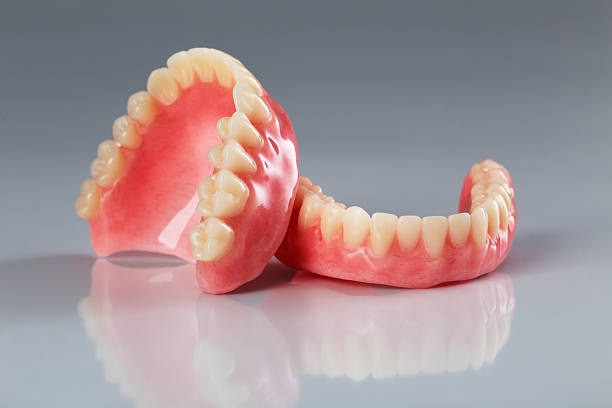
Kazakhstan’s Financial Monitoring Agency (FMA) is continuing its investigation into one of the country’s most high-profile financial crimes in recent years: the large-scale embezzlement of pension savings through fictitious dental services. Authorities allege that millions of dollars were siphoned from the Unified Accumulative Pension Fund (UAPF) via a sprawling criminal scheme involving dozens of dental clinics. According to the FMA, the investigation is ongoing and centers on clinic managers and their accomplices. The alleged scheme involved the withdrawal of pension savings from the UAPF through formal contracts for dental procedures, backed by forged medical documents. “For such ‘assistance,’ the organizers of the scheme received illegal remuneration amounting to 10% to 20% of the withdrawn funds,” the agency said. In total, 42 dental clinics are implicated. Investigators estimate that more than $390 million was illicitly funneled through these entities. The funds were reportedly used to acquire luxury real estate and other high-value assets, as well as to open new dental clinics registered under front persons to obscure the identities of the real beneficiaries. Some of the fabricated diagnoses were blatantly implausible. In one instance, a 21-year-old was diagnosed with “complete edentulism” (total tooth loss) and simultaneously prescribed both teeth cleaning and braces. In response to the violations uncovered, Kazakhstan suspended the use of pension savings to pay for dental services as of September 15, 2025. The measure, though temporary, signals a tightening of regulatory oversight amid public outcry. The program allowing partial use of pension savings for medical services was first introduced in 2021. It enabled citizens to access funds exceeding the so-called “sufficiency threshold” to pay for treatments, including expensive dental procedures such as prosthetics and implants.
Turkmenistan Denies Early Release to Activist Mansur Mingelov Despite Serious Illness

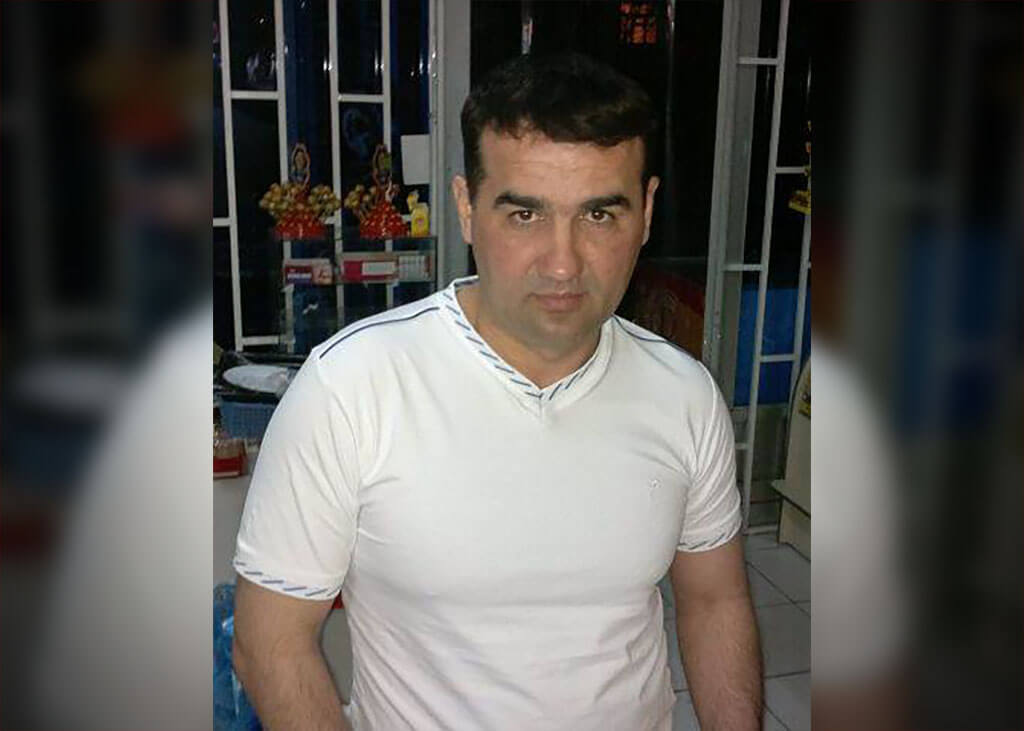
Turkmenistan’s Ministry of Internal Affairs has rejected a request to initiate early release procedures for imprisoned human rights activist Mansur Mingelov, despite his confirmed serious medical diagnosis and the legal provisions that would permit such action. According to an official response dated October 20, the Department for the Enforcement of Sentences under the Ministry of Internal Affairs concluded there were “no grounds” for early release. The response followed appeals by Mingelov’s family to the Prosecutor General’s Office and the Ministry of Internal Affairs, citing his deteriorating health and referencing multiple legal articles supporting their request. Mingelov, who has been imprisoned since 2012, was convicted after defending his own rights and those of the Baloch minority in Turkmenistan. His family cited Article 76 of the Criminal Code (“Release from punishment due to serious illness”) and Article 166 of the Criminal Enforcement Code (“Grounds for release from serving a sentence”), as well as Presidential Decree No. 202 of May 11, 2017, which outlines the medical criteria for such releases. In mid-2024, a commission from the Ministry of Health officially diagnosed Mingelov with tuberculous arthritis in both knees, a condition that, according to doctors, cannot be treated inside Turkmenistan. He is currently being held at the MR-B/15 prison hospital. Notably, Vepa Hajiyev, Turkmenistan’s permanent representative to the United Nations, publicly acknowledged Mingelov’s diagnosis and affirmed that national legislation provides for the release of prisoners with serious illnesses upon court approval. Under existing law, a court can only consider such cases after receiving a joint submission from the prison monitoring commission and the sentencing authority - a process Mingelov’s family attempted to initiate but which authorities declined to advance. Despite the official diagnosis and detailed legal framework, no follow-up medical examination or formal review of Mingelov’s health condition has been conducted, according to the independent outlet, turkmen.news. Mingelov's relatives argue that the Ministry’s refusal is not based on medical or legal grounds, but rather political calculation. They note that Mingelov has served more than half of his sentence, one they consider to be politically motivated and unlawful, and that his condition meets all criteria for early release. In their view, the key decision lies with Turkmen President Serdar Berdimuhamedov. Human rights organizations and family members suggest that releasing Mingelov, along with other political prisoners, could help improve Turkmenistan’s international standing by showing a willingness to respect its own laws and humanitarian obligations. For now, the contradiction remains stark: the illness is acknowledged, the law is in place, and the legal procedure is defined, yet no action has been taken.

Uzbekistan Performs First Liver Transplant on Seven-Month-Old Infant

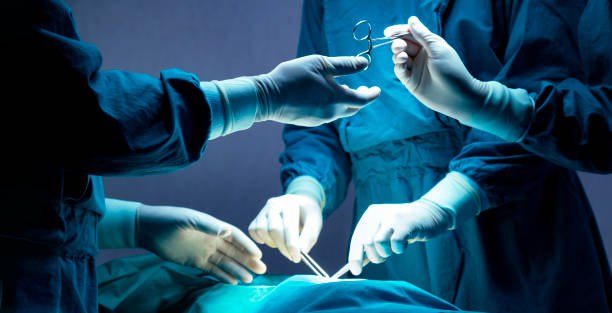
Uzbekistan has successfully performed its first liver transplant on a seven-month-old infant. The operation was carried out at the National Children’s Medical Center, with the child’s mother serving as the donor, a technically demanding procedure rarely performed worldwide. Medical specialists at the center emphasized that liver transplantation in infants under one year of age requires advanced surgical capabilities and extensive pre-operative assessment. Both mother and child underwent comprehensive evaluations prior to the operation. Surgeons transplanted a segment of the mother’s liver into the child, and the procedure was completed without complications. The mother has already been discharged in stable condition. The infant remains under close medical supervision, with doctors describing the child’s condition as stable and satisfactory. Preparations for discharge are currently underway. The Ministry of Health hailed the operation as a milestone for Uzbekistan’s healthcare sector, highlighting the increasing ability of domestic institutions to carry out high-complexity medical procedures. In a related development, the ministry also noted recent advances in orthopedic surgery. In October, during the “Days of Kazakh Medicine in Uzbekistan” event, surgeons from Kazakhstan conducted robotic-assisted joint replacement surgeries in Tashkent. The team, led by orthopedic surgeon Timur Baidalin from Kazakhstan’s Batpenov National Scientific Center, performed one knee and one hip replacement using the MAKO robotic system. The technology enables precise surgical planning and reduces the risk of complications.

Kazakhstan Emerges as Regional Leader in Medical Tourism

Kazakhstan has taken the lead in the post-Soviet space in terms of the rapid development of medical tourism, surpassing its closest regional competitors, according to Kristina Krivets, President of the Kazakhstan Medical Tourism Association. Rapid Growth in Patient Numbers The sector has experienced explosive growth in recent years. In 2022, when the association was first established, just 1,280 medical tourists were recorded. By 2023, that figure had jumped to 8,000 and by 2024, it reached 80,000. “This is a very sharp increase, which shows that Kazakhstan is becoming a notable player in the region,” Krivets said. According to the association, around 90% of foreign patients come from neighboring countries, Kyrgyzstan, Russia, Uzbekistan, plus nearby Tajikistan. The remaining 10% hail from countries such as the United States, Germany, Israel, Austria, and Switzerland. The most in-demand services include reproductive medicine, dentistry, and aesthetic procedures. Kazakhstan offers these treatments at lower costs while maintaining acceptable standards of quality. In parallel, there is growing interest in more complex procedures such as cardiac surgery, neurosurgery, and radiation therapy for cancer. The average bill for a foreign patient is approximately 1.5 million KZT ($2,780) for medical services alone. However, the total spending per patient is roughly ten times higher than that of a typical tourist, once accommodation, transportation, and additional services are factored in, underscoring the sector’s growing economic significance and its multiplier effect on related industries. Meeting International Standards Currently, nine clinics in Kazakhstan hold Joint Commission International (JCI) accreditation, seven in Astana and two in Almaty. While the accreditation process is costly and time-consuming, it is seen as essential for attracting international patients. “Today, Kazakhstan ranks first in medical tourism in Central Asia. Our main competitor is Uzbekistan, but we have every reason to become a medical tourism hub not just for our neighbors, but for a broader international audience,” Krivets stated. To help position Kazakhstan globally, the first international medical tourism exhibition, GlobalMedKZ, will be held in Astana on November 27-28. The event will focus on promoting the sector through information tours, social media campaigns, participation in international exhibitions, and consultations with foreign doctors. “GlobalMedKZ will become a platform for Kazakhstan to be known to the whole world,” Krivets emphasized. Legal Barriers Remain Despite its rapid development, the sector still faces significant legal challenges. Krivets pointed out that medical tourism is not yet defined in Kazakh legislation. “We are working with the Ministry of Health to include a definition in the Law ‘On Health,’ but ideally, a separate law on medical tourism is needed,” she said. Visa access is not a major hurdle, as most citizens from countries in Eurasia can enter Kazakhstan without a visa. However, state medical institutions are currently prohibited from paying commissions to foreign agents, limiting efforts to attract more international patients. Still, Krivets remains optimistic. “Medical tourism is a paid service that, with a well-structured system, can generate substantial revenue for the state. We see successful models in Turkey and South Korea, where it has become one of...