• KGS/USD = 0.01144 0%
  • KZT/USD = 0.00191 -0%
  • TJS/USD = 0.10838 0.37%
  • UZS/USD = 0.00008 0%
  • TMT/USD = 0.28571 0.28%
  • KGS/USD = 0.01144 0%
  • KZT/USD = 0.00191 -0%
  • TJS/USD = 0.10838 0.37%
  • UZS/USD = 0.00008 0%
  • TMT/USD = 0.28571 0.28%
  • KGS/USD = 0.01144 0%
  • KZT/USD = 0.00191 -0%
  • TJS/USD = 0.10838 0.37%
  • UZS/USD = 0.00008 0%
  • TMT/USD = 0.28571 0.28%
  • KGS/USD = 0.01144 0%
  • KZT/USD = 0.00191 -0%
  • TJS/USD = 0.10838 0.37%
  • UZS/USD = 0.00008 0%
  • TMT/USD = 0.28571 0.28%
  • KGS/USD = 0.01144 0%
  • KZT/USD = 0.00191 -0%
  • TJS/USD = 0.10838 0.37%
  • UZS/USD = 0.00008 0%
  • TMT/USD = 0.28571 0.28%
  • KGS/USD = 0.01144 0%
  • KZT/USD = 0.00191 -0%
  • TJS/USD = 0.10838 0.37%
  • UZS/USD = 0.00008 0%
  • TMT/USD = 0.28571 0.28%
  • KGS/USD = 0.01144 0%
  • KZT/USD = 0.00191 -0%
  • TJS/USD = 0.10838 0.37%
  • UZS/USD = 0.00008 0%
  • TMT/USD = 0.28571 0.28%
  • KGS/USD = 0.01144 0%
  • KZT/USD = 0.00191 -0%
  • TJS/USD = 0.10838 0.37%
  • UZS/USD = 0.00008 0%
  • TMT/USD = 0.28571 0.28%
11 November 2025

Viewing results 1 - 6 of 7

Falling Exports Undermine Kazakhstan’s Economic Stability

Kazakhstan's export revenues fell by 9.2% in the first five months of 2025 compared to the same period in 2024, dealing a fresh blow to the country’s economy. According to data compiled by Finprom.kz, total goods exports dropped to $29.8 billion, down from $32.8 billion, a loss of more than $3 billion. Commodity Dependency Drives Decline The steepest decline was recorded in the fuel and energy sector, which saw a shortfall of $2.4 billion. Total exports of oil, gas, and related raw materials amounted to $16.9 billion from January to May, a 12.6% decrease year-on-year. The downturn also extended to Kazakhstan’s manufacturing sectors: metallurgical exports fell by 6.5%, the chemical industry by 17.7%, and machine building by 21.7%. While the share of fuel and energy products in Kazakhstan’s export structure dropped to 56.9% in January–May 2025, down from the 65–67% range seen between 2019 and 2024, this shift was not driven by a rise in high value-added goods. These accounted for just 13.5% of total exports. Oil and Metals Lead Revenue Losses Oil was the primary source of lost export revenue. The volume of crude shipments declined by 6.6%, from 31.2 to 29.1 million tons, while export earnings fell by 13.9%, costing the country $2.6 billion. Other key raw material categories also recorded substantial losses: refined copper exports fell by 20.6%, copper ores and concentrates by 26.8%, iron ore by 16.4%, aluminum by 10.4%, and uranium by 24.2%. Only a few sectors posted gains. Exports of ferroalloys rose by 8.1%, wheat and meslin by 58.3%, and rolled iron by 13.1%. One standout performer was heat-generating assemblies for nuclear power plants produced in Ust-Kamenogorsk, their exports nearly doubled and are supplied exclusively to China. Trade Imbalance Worsens The export slump contributed to a broader contraction in Kazakhstan’s foreign trade. Total trade turnover from January to May stood at $53.5 billion, down 4.5% from the previous year. Imports, however, increased by 2.2%, further widening the trade gap. Kazakhstan has recorded lower export volumes each month of 2025 compared to 2024. In January, exports were down nearly 14%. Although the gap narrowed slightly in subsequent months, May figures remained below last year's levels. Italy continues to be Kazakhstan’s largest export market, accounting for 23.1% of total exports. Despite an 11% decline in volume, Italian purchases totaled $6.9 billion. China is the second-largest destination, increasing its share from 17.4% to 17.6%, with $5.2 billion in imports. Russia ranks third, importing $2.9 billion in goods, including automobiles, chemical products, and metal ores. Analysts warn that Kazakhstan’s continued reliance on raw materials and its low share of high-tech exports represent systemic risks. Without substantial industrial modernization and entry into new markets, the country remains vulnerable to global commodity price fluctuations, endangering long-term macroeconomic stability.

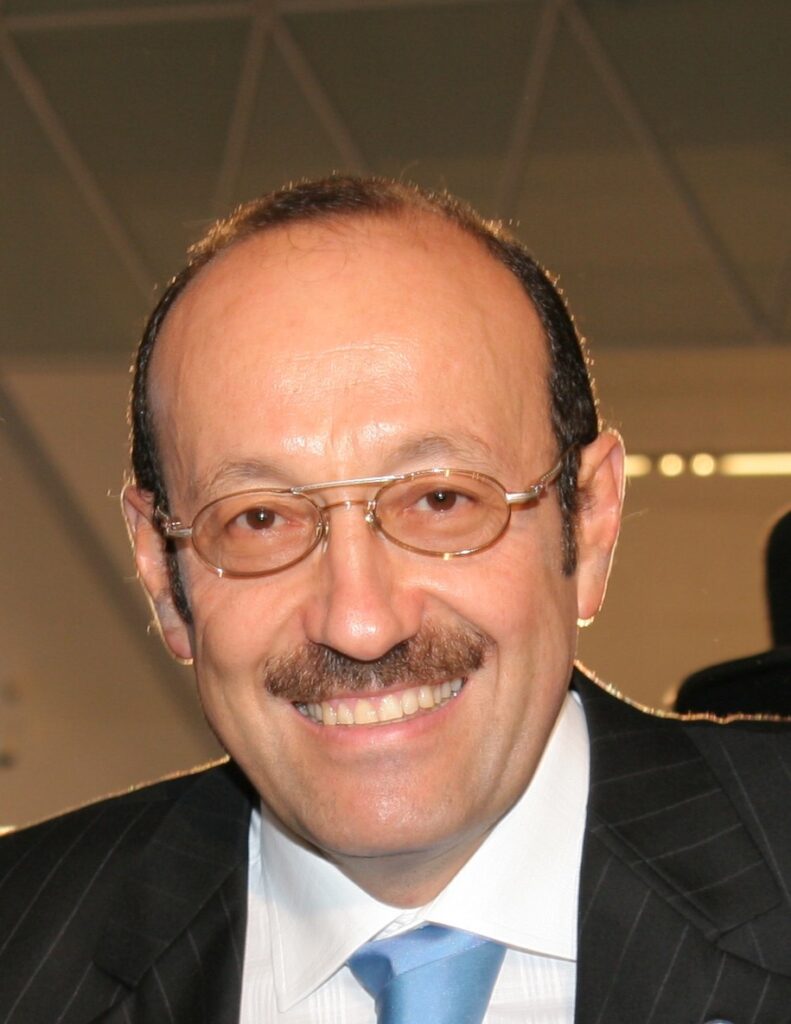
Kazakhstan: Alexander Mashkevich, Business and Jewish Community Leader, Dies

Alexander Mashkevich was a prominent figure in Central Asian business for many years: a founder of Eurasian Resources Group, a major mining company that is partly owned by Kazakhstan’s government and has operations in Africa and Brazil, and chairman of the board of directors of the Almaty-based Eurasian Bank. He also founded the Jewish Congress of Kazakhstan and became its first president. Mashkevich, who moved from Kyrgyzstan to Kazakhstan in the 1990s and later obtained Israeli citizenship, died on March 22 after an illness. He was 71 years old and leaves a wife, Larissa, and two daughters, Anna and Alla. Mashkevich “made an enormous contribution to the development of Kazakhstan’s metals and mining sector and the country’s economy,” said Eurasian Resources Group, or ERG. Between 2014 and 2024, Mashkeviich was chairman of the board of directors of Luxembourg-based ERG, which says it is one of the world’s largest producers of ferrochrome, an alloy that can be used to make stainless steel, and cobalt, which is used in batteries and other technologies. The company also says it is also a major producer of copper, the only producer of high-grade aluminum in Kazakhstan, and a big supplier of alumina and iron ore in the Eurasia region. It provides electricity and is a major railway operator in the region. Mashkevich received awards from the Kazakh state for contributions to the country’s development. His operations also came under scrutiny from Britain’s Serious Fraud Office, which for many years investigated suspected bribes that were paid to access mining contracts in Africa. In 2023, the office closed its case without bringing charges. The Eurasian Natural Resources Corporation, a subsidiary of ERG, had meanwhile sued the fraud office for alleged wrongdoing. The two sides settled last year. Separately, Belgian prosecutors alleged that Mashkevich and two partners were involved in a money-laundering scheme. In 2011, the matter was dropped after the three businessmen paid a fine without admitting guilt. Mashkevich, who had a Lithuanian Jewish background, built a reputation as a philanthropist. He was active in the Jewish community in Central Asia, leading the Euro-Asian Jewish Congress, or EAJC, for more than a decade after it was founded in 2002. He supported Jewish schools and other institutions, and one of his last projects was the establishment of a museum about Albanian citizens who saved Jews during World War II, according to the EAJC. In addition to synagogues, he also provided funds for the construction of mosques and churches in Kazakhstan. Mashkevich’s parents met in Kyrgyzstan after being evacuated during World War II. At a conference in Israel in 2011, Mashkevich said Jews had to excel in order to survive. “We have to find – every day – new, creative ways to respond to challenges, which we get every, every, every day the last few thousand years,” Mashkevich said in English. “And I suppose we will get these challenges another few thousand years.”

Copper Smelter To Be Built In Eastern Kazakhstan

A copper smelting plant with a capacity of 300,000 tons of copper per year is to be built in Kazakhstan's eastern Abay region, according to a government press release. An agreement for the plant's construction has bee signed by KAZ Minerals Smelting LLP, the customer, and China Nonferrous Metal Industry's Foreign Engineering and Construction Co., Ltd. (NFC), a design services supplier and process equipment procurement company. NFC Kazakhstan LLP will also be involved as a construction and commissioning work contractor. The plant will be built near the village of Aktogay. The raw materials will be the copper concentrate from Vostoktsvetmet LLP's Bozshakol and Aktogay mining and processing plants. “Following the plant's construction, a cluster will be created, combining one of the world's largest copper mines and modern copper smelting production. With a preliminary cost of $1.5 billion, the project will create more than 1,000 new jobs. It is planned to be put into operation by the end of 2028,” the press release says. The high-tech enterprise for producing high-value-added products will be the largest in the country. The applied technologies in copper smelting production meet world environmental standards. The enterprise will provide the internal market needs for processing copper-containing raw materials and copper cathode. “It should be noted that cathode copper is widely used in the electric power industry, machine building, and other industrial sectors. In addition, the new plant plans to produce refined gold, silver, and sulfuric acid,” the release added.

Uzbekistan Starts Exporting Copper Products to the U.S. and Mexico

Exporters in Uzbekistan have begun sending products made of Uzbek copper to Mexico and the U.S., according to the Nigoh Telegram channel. In January and February, Almalyk Mining and Metallurgical Combine exported goods valued at $82 million dollars, fulfilling 101.3% of their forecasted capacity. Among the various products there were 7,300 tons of copper products, 4,600 tons of zinc metal, and 132 tons of molybdenum products. Items from the Almalyk plant are exported to more than 20 countries, and the geographic reach of their exports is expanding. In 2023 the company added two new markets for copper products in the Americas -- the U.S. and Mexico -- as well as a new European buyer, Finland.

Titanium-Zirconium Deposit in Kazakhstan to Get New Owner

Kazakhstan's Ministry of Industry and Construction says that the Obukhovskoye deposit, which is located in the North Kazakhstan region, has been put up for auction. The sale of the titanium-zirconium deposit will be held electronically on May 15th. All three sections of the deposit will go on the auction block. The Obukhovskoye deposit may prove to be a very valuable asset due to its high-percentage concentration of minerals in the ore. Until 2021 the location belonged to a company called Tioline, which ended up losing its license due to violations of its financial and investment obligations. In February this year one of the co-owners of the Obukhovskoye mine, Viktor Dolgalev, was arrested -- he is accused of misuse of subsoil resources, tax evasion and illegal receipt of funds in excess of 26bn tenge (~$58m). These events have led to the current situation, in which the project needs a new investor who can prove their ability to execute a sustainable ore extraction and processing plan at the site. The Ministry of Industry and Construction has already disclosed that the size of the minimum bid for the signing bonus -is 1.85m tenge ($4,132). The company who submits the winning bid will be obliged to supply raw materials from the deposit to local producers at reduced prices -- to restore the project after the substandard work of the past license holder -- and to comply with environmental regulations. It will also be obliged to support the Kazakhstani market by using at least 60% locally-sourced goods and services in its work.

Gold Kyrgyzstan’s Main Export Item in 2023

In 2023 Kyrgyzstan’s foreign trade turnover reached $15.6bn, an increase of 29.9% compared to 2022. The country’s imports grew by 26% to $12.3bn and exports increased by 46.8% to $3.3bn, the National Statistical Committee has reported.   This means that in 2023 Kyrgyzstan imported $9bn worth of goods more than exported.  Kyrgyzstan’s trade with fellow members of the Eurasian Economic Union, which also includes Armenia, Belarus, Kazakhstan, and Russia, amounted to $4.3bn. Gold accounted for the lion’s share of Kyrgyzstan's exports — 38.8% of the total. In 2023 Kyrgyzstan sold more than 20 tons of gold. Almost half of all goods imported to Kyrgyzstan last year came from China. Russia was in second place, followed by neighboring Central Asian countries, Turkey, the USA, and South Korea.