• KGS/USD = 0.01144 0%
  • KZT/USD = 0.00215 0%
  • TJS/USD = 0.10599 -0.28%
  • UZS/USD = 0.00008 0%
  • TMT/USD = 0.28571 0%
  • KGS/USD = 0.01144 0%
  • KZT/USD = 0.00215 0%
  • TJS/USD = 0.10599 -0.28%
  • UZS/USD = 0.00008 0%
  • TMT/USD = 0.28571 0%
  • KGS/USD = 0.01144 0%
  • KZT/USD = 0.00215 0%
  • TJS/USD = 0.10599 -0.28%
  • UZS/USD = 0.00008 0%
  • TMT/USD = 0.28571 0%
  • KGS/USD = 0.01144 0%
  • KZT/USD = 0.00215 0%
  • TJS/USD = 0.10599 -0.28%
  • UZS/USD = 0.00008 0%
  • TMT/USD = 0.28571 0%
  • KGS/USD = 0.01144 0%
  • KZT/USD = 0.00215 0%
  • TJS/USD = 0.10599 -0.28%
  • UZS/USD = 0.00008 0%
  • TMT/USD = 0.28571 0%
  • KGS/USD = 0.01144 0%
  • KZT/USD = 0.00215 0%
  • TJS/USD = 0.10599 -0.28%
  • UZS/USD = 0.00008 0%
  • TMT/USD = 0.28571 0%
  • KGS/USD = 0.01144 0%
  • KZT/USD = 0.00215 0%
  • TJS/USD = 0.10599 -0.28%
  • UZS/USD = 0.00008 0%
  • TMT/USD = 0.28571 0%
  • KGS/USD = 0.01144 0%
  • KZT/USD = 0.00215 0%
  • TJS/USD = 0.10599 -0.28%
  • UZS/USD = 0.00008 0%
  • TMT/USD = 0.28571 0%

Viewing results 1 - 6 of 9

Central Asia Welcomes Ceasefire, Urges Talks as Energy Risks Persist

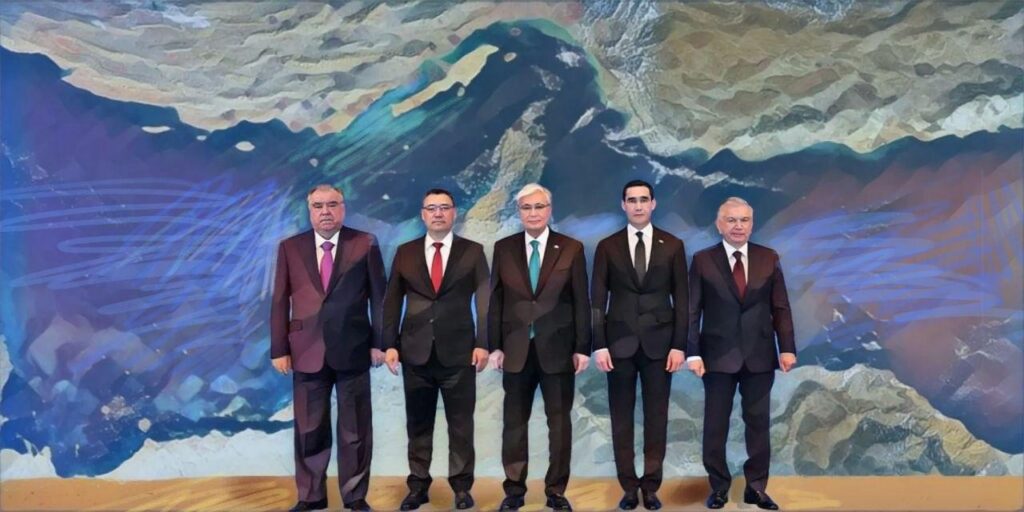
Central Asian governments have cautiously welcomed the two-week ceasefire between the United States and Iran, describing it as a necessary pause in a conflict that has already begun to affect regional stability, trade, and energy flows. Across the region, official statements struck a consistent balance: support for the truce, alongside calls to translate it quickly into negotiations rather than allow it to become a temporary pause in hostilities. Kazakhstan’s President Kassym-Jomart Tokayev described the agreement as a “ceasefire and truce” reached through international mediation, including efforts involving Pakistan’s leadership. According to the presidential press service, Tokayev said that “this agreement became possible due to the goodwill and wisdom of the President of the United States, Donald Trump, and the senior leadership of Iran, as well as all countries involved in the military conflict.” Tokayev went on to express his hope that the agreement would prove sustainable and contribute to global trade and economic stability. Uzbekistan’s Foreign Ministry described the ceasefire as an “important step toward de-escalating tensions” and stressed that it should serve as a pathway to a broader political settlement. Tashkent called for “all parties to exercise restraint, [and] refrain from actions that could further escalate the situation, warning that further escalation risks widening the conflict and undermining regional stability. The statement reaffirmed Uzbekistan's “unwavering position on the need to resolve conflicts exclusively by peaceful means in strict accordance with the principles of the Charter of the United Nations.” Tajikistan’s Foreign Ministry also welcomed the agreement, expressing hope that the ceasefire would open the way to a comprehensive and long-term peace. Dushanbe emphasized that the conflict has “no military solution and its continuation will only worsen the already difficult situation in the Middle East and cause colossal damage to all countries in the region.” The statement urged all parties to “abandon the use of force” and use political and diplomatic mechanisms in accordance with international law and the UN Charter. Kyrgyzstan’s Foreign Ministry said it “welcomes the achievement of a ceasefire agreement in the Middle East,” highlighting the role of Pakistan’s mediation efforts in reducing tensions. Bishkek reaffirmed that disputes must be resolved exclusively through political and diplomatic means on the basis of the UN Charter and international law, and expressed its “hope for achieving sustainable and long-term peace in the region.” Turkmenistan had not issued an official public statement on the ceasefire at the time of publication, in line with its longstanding policy of neutrality and cautious approach to external conflicts. Meanwhile, Azerbaijan’s Foreign Ministry also welcomed the “announced ceasefire” and praised the efforts of mediators who helped broker the agreement. Baku called on all parties to “engage in productive dialogue aimed at resolving existing problems and strengthening mutual trust” and signaled its readiness to “support initiatives aimed at strengthening lasting peace, security, and cooperation in the region.” The convergence in tone reflects more than diplomatic routine. The conflict has already spilled into Central Asia’s political and humanitarian agenda, prompting coordination on evacuations, aid deliveries, and contingency planning....

Middle East Crisis: Kazakhstan Could Become an Alternative Supplier of Petroleum Products to Asia

The two-week ceasefire announced after Pakistani mediation between Iran and the U.S. has reduced the risk of immediate escalation in the Strait of Hormuz, but disruptions to one of the key routes of global oil trade have already triggered structural changes in energy markets. Against this backdrop, Kazakhstan and other countries in the region are increasingly being viewed as alternative suppliers of hydrocarbons, at least from the perspective of South Korea and Japan. Despite the agreement on a two-week pause, Iran has made it clear that it retains control over shipping in the strait, including the potential to impose restrictions and coordinate tanker movements with its military. This has heightened concerns among importers, many of whom depend heavily on this route. The most notable shift is taking place in Asia. South Korea, which receives about 61% of its crude imports and 54% of its naphtha imports through the Strait of Hormuz, is sending a high-level delegation to Kazakhstan, Oman, and Saudi Arabia to seek alternative sources of supply. Talks in Astana are expected to focus on oil and naphtha for industrial use. South Korea, Asia’s fourth-largest economy, has proven to be among the most vulnerable to disruptions in the Strait of Hormuz. In response, Seoul is taking urgent diplomatic and economic measures, with Presidential Chief of Staff Kang Hoon-sik traveling to Kazakhstan as a special envoy for strategic economic cooperation. The delegation includes representatives from relevant ministries and major energy companies, underscoring the urgency of the effort. The purpose of the visit is not only to address a potential short-term shortfall but also to establish sustainable alternative supply channels. South Korea has already secured a 24 million-barrel supply deal with the UAE, and shipments are already arriving at its ports, though officials say that volume is still insufficient given the ongoing instability. The government is coordinating efforts with private fuel importers and logistics operators to ensure uninterrupted supplies until tankers arrive at the country’s ports. Kazakhstan, which possesses large oil fields including Kashagan, is emerging as a key candidate to partially replace Middle Eastern volumes. However, geography imposes clear limitations: oil from the region requires more complex logistics, including transit across the Caspian Sea and onward through the Caucasus or the Black Sea. This is compounded by a projected decline in the country’s oil production. In March, Energy Minister Yerlan Akkenzhenov stated that output could fall by 2-4 million tons by the end of 2026 due to disruptions linked to attacks on infrastructure belonging to the Caspian Pipeline Consortium (CPC), as well as fires at the Tengiz field. Initial projections placed Kazakhstan’s 2026 oil production at 100.5 million tons, potentially a record level. However, the minister indicated that actual output will most likely fall short of this target. Japan is also reassessing its supply strategy. With more than 90% of its oil traditionally sourced from the Middle East, Tokyo is considering increasing imports from Kazakhstan and Azerbaijan through projects involving the national company INPEX. Japanese experts note that oil from...

Tokayev Proposes Turkestan as Venue for Middle East Peace Talks

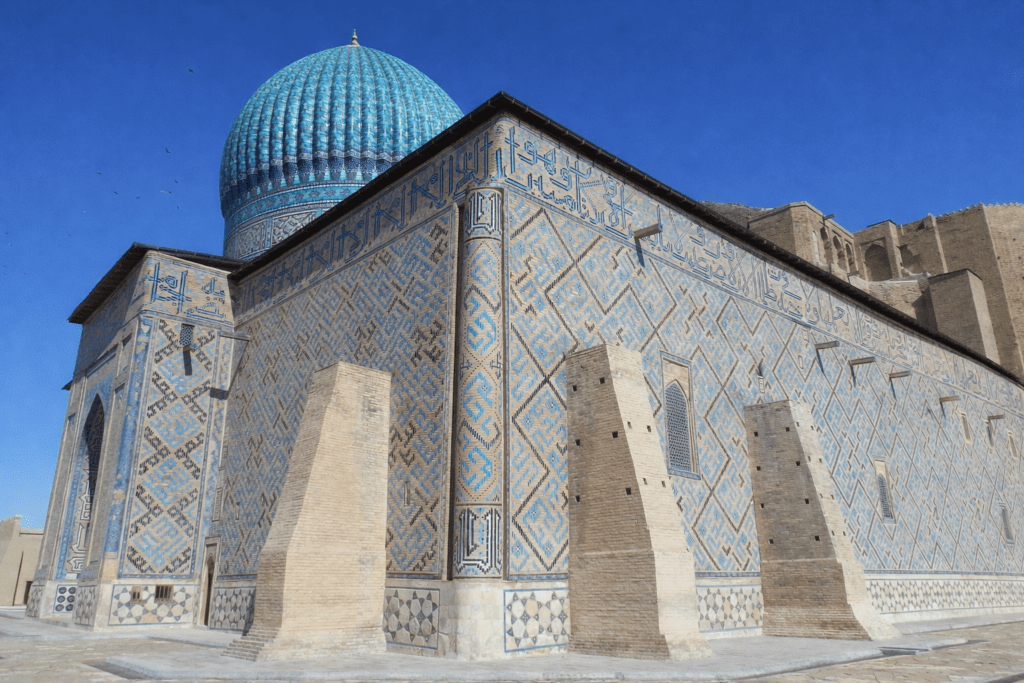
Kazakhstan’s president, Kassym-Jomart Tokayev, has called for immediate negotiations to resolve the conflict in the Middle East and proposed the city of Turkestan as a venue for talks. Tokayev made the remarks during a visit to the Turkestan region, warning that escalating conflicts worldwide, including the conflict involving Iran, the United States, and Israel, are harming global stability and trade conditions for countries not directly involved in the hostilities. He said the situation in the Middle East has reached a critical stage and that further escalation by Iran, the United States, or Israel would benefit none of the parties. “First and foremost, I call for an end to armed attacks on civilian and economic targets. Then it is necessary to sit down at the negotiating table,” Tokayev said. The president said Kazakhstan is not seeking to mediate in the conflict but is prepared to offer its territory as a neutral platform for negotiations. “I believe such a dialogue could be organized in Turkestan. This would demonstrate the goodwill of the Kazakh people,” Tokayev added, noting that the final decision depends on the parties involved. The choice of Turkestan is both geographic and symbolic. The city is regarded as one of Central Asia’s spiritual centers and an important destination for pilgrims. It is home to the mausoleum of Khoja Ahmed Yasawi, a prominent Sufi poet and thinker. The structure, commissioned in the 14th century by Amir Timur, adds historical resonance to Tokayev’s proposal and is included on the UNESCO World Heritage List. Turkestan’s historical legacy and religious significance make it a potentially neutral and symbolically meaningful setting for peace talks. The proposal also reflects Kazakhstan’s long-standing effort to position itself as a neutral diplomatic platform. Astana has previously hosted international negotiations, including talks on Syria, and has sought to build a reputation as a venue for dialogue between competing powers. Offering Turkestan, rather than the capital, reinforces both the initiative's symbolic and political neutrality. Tokayev’s proposal comes amid continued escalation in hostilities involving Iran and a U.S.-Israel coalition, which intensified in late February following exchanges of missile strikes and air attacks. For Kazakhstan and other Central Asian states, the conflict carries direct implications. Iran’s status as a Caspian littoral country raises additional security concerns for Kazakhstan’s western regions in the event of further escalation. The Times of Central Asia previously reported on disruptions to regional supply chains and transport routes. Volatility in global oil prices and the risk of disruption across Caspian-linked trade routes add further pressure, underscoring how conflicts far beyond Central Asia’s borders can quickly translate into economic and security risks for the region.