• KZT/USD = 0.00219
  • TJS/USD = 0.10820
  • UZS/USD = 0.00009
  • TMT/USD = 0.29760
  • KZT/USD = 0.00219
  • TJS/USD = 0.10820
  • UZS/USD = 0.00009
  • TMT/USD = 0.29760
  • KZT/USD = 0.00219
  • TJS/USD = 0.10820
  • UZS/USD = 0.00009
  • TMT/USD = 0.29760
  • KZT/USD = 0.00219
  • TJS/USD = 0.10820
  • UZS/USD = 0.00009
  • TMT/USD = 0.29760
  • KZT/USD = 0.00219
  • TJS/USD = 0.10820
  • UZS/USD = 0.00009
  • TMT/USD = 0.29760
  • KZT/USD = 0.00219
  • TJS/USD = 0.10820
  • UZS/USD = 0.00009
  • TMT/USD = 0.29760
  • KZT/USD = 0.00219
  • TJS/USD = 0.10820
  • UZS/USD = 0.00009
  • TMT/USD = 0.29760
  • KZT/USD = 0.00219
  • TJS/USD = 0.10820
  • UZS/USD = 0.00009
  • TMT/USD = 0.29760
09 September 2026

Viewing results 1 - 6 of 33

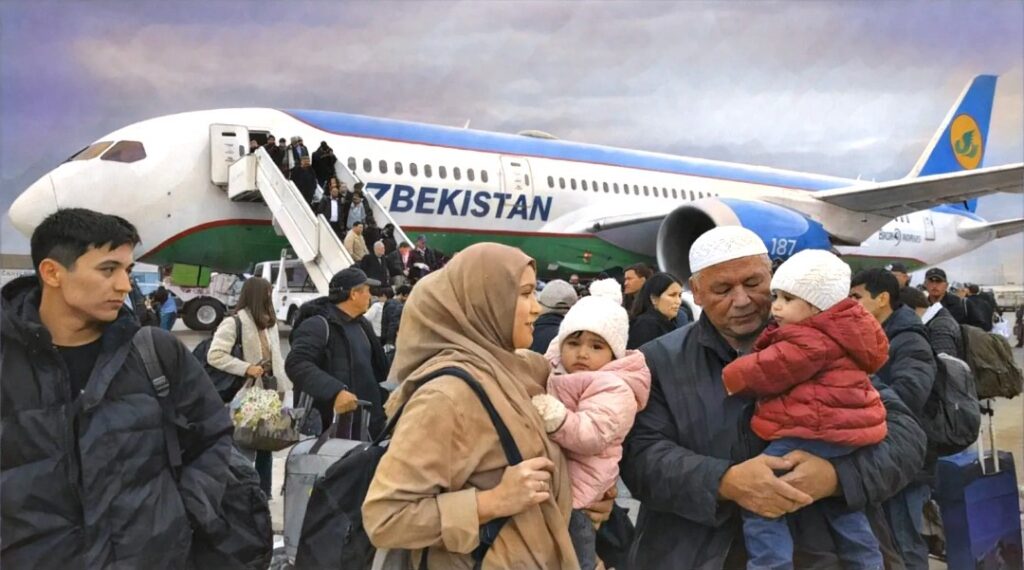
Uzbekistan Repatriates Over 21,700 Citizens from Middle East

Uzbekistan has repatriated 21,712 citizens from several Middle Eastern countries as of 07:00 on March 9, the country’s Ministry of Foreign Affairs has said, as evacuation efforts continue amid regional instability. Most of those returned came from Saudi Arabia, where 17,963 citizens were brought back to Uzbekistan. Additional repatriations included 3,290 people from the United Arab Emirates, 378 from Qatar, 47 from Iran, 27 from Bahrain, and seven from Oman. The ministry said the return of Uzbek citizens is being carried out “systematically and in stages,” with authorities continuing to coordinate transport and logistics for those seeking to return. Officials noted that many repatriation flights are currently being organized through countries whose airspace remains open to civilian aviation. Uzbekistan’s evacuation reflects the scale of its citizens’ presence across the Gulf. In recent years, the country has expanded labor migration agreements with Saudi Arabia, the United Arab Emirates, and Qatar, sending thousands of workers into construction, hospitality, and service sectors. Saudi Arabia has also become a major destination for religious travel from Uzbekistan, with large annual flows of pilgrims traveling for the Hajj and Umrah. Kazakhstan has also evacuated citizens during the crisis, bringing 8,585 people home from Middle Eastern countries since the operation began. Central Asian citizens travel widely to Gulf states for work, tourism, and pilgrimage, leaving thousands affected when conflicts disrupt flights and close regional airspace. The number of returned citizens has risen steadily over the past several days. According to the foreign ministry, 19,347 Uzbek citizens had returned home as of 07:00 on March 8. Uzbek diplomatic missions in the region have also issued safety guidance to citizens who remain abroad. In a statement published by the Embassy of Uzbekistan in Israel, citizens were urged to follow official security instructions issued by local authorities. The embassy said red alerts issued by Israel’s civil defense authorities indicate a dangerous situation and require people to stay near protected shelters and immediately enter them if warning sirens sound. Blue alerts indicate that the threat has passed, and people may leave shelters. Other Central Asian countries have also organized evacuations of their citizens. According to Tajik media outlet Asia-Plus, more than 300 citizens of Tajikistan returned home on March 8 on two flights from Dubai. One charter flight brought 130 Tajik citizens to Dushanbe in the morning, while a later flight operated by Somon Air transported another 180 passengers. The charter operation was organized with support from the Tajik embassy in the United Arab Emirates, local authorities, and the airline Flydubai. About 550 Tajik citizens have returned home from Abu Dhabi and Dubai on charter flights in recent days amid the ongoing regional conflict.

Azerbaijan Orders its Diplomats to Leave Iran after Drone Attacks

Azerbaijan said on Friday that it is evacuating staff from its embassy in Tehran as well as its consulate in the Iranian city of Tabriz, one day after accusing Iran of drone attacks on its territory. Azerbaijani Foreign Minister Jeyhun Bayramov said an order has been issued to evacuate the diplomatic missions in Iran because of safety concerns, the state news agency Azertac reported. Bayramov spoke at a briefing in Baku with Moldovan counterpart Mihai Popşoi. Azerbaijan has also submitted a report to the International Civil Aviation Organization, a United Nations body, about the attack on the airport in the exclave of Nakhchivan, according to another outlet, the Azerbaijani Press Agency, or APA. Another Iranian drone landed near a school in Nakhchivan. Several civilians were injured in the attacks. Iran has told Azerbaijan that it is investigating. While the Azerbaijani military is on high alert, the government said social media reports that it had deployed heavy weapons along the border with Iran were false. Also, some cargo trucks are now crossing the border between Azerbaijan and Iran after a suspension because of the drone attacks. Azerbaijan has thanked dozens of countries, including some in Central Asia, for expressions of support following the attacks.   - For a complete chronology of the crisis and its implications for Central Asia, explore our continuously updated timeline and special coverage.

Calls and Meetings: Central Asia’s Diplomats Seek Balance in Mideast War

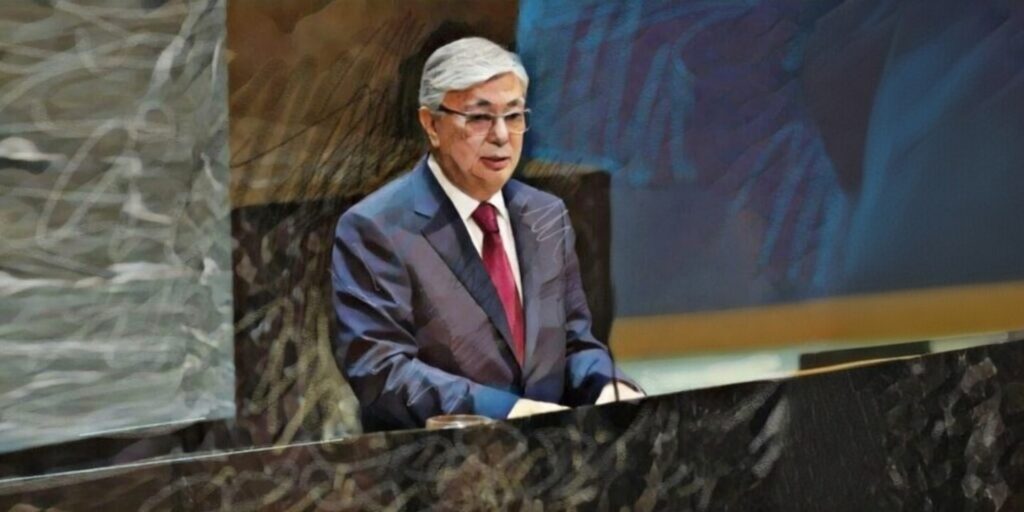
Central Asian countries are being careful not to criticize any actors during the Mideast war, maintaining ties with the Iranian government while expressing support for Gulf Arab countries that have been targeted by Iranian missiles and drones. The diplomacy on both sides of a war that began with U.S. and Israeli air strikes on Iran reflects a longstanding approach in Central Asia, where leaders have sought to project neutrality and maintain amicable relations with major powers including Russia, China and the United States. Increasingly, those leaders are taking coordinated positions on conflicts such as the one now convulsing the Mideast region, partly in order to preserve trade routes and strengthen a call for regional stability. It all means that Central Asian diplomats are busy these days. A lot of calls and meetings. Alibek Bakaev, Kazakhstan’s deputy foreign minister, discussed the situation in the Middle East with Iranian ambassador Ali Akbar Joukar in Astana on Wednesday. The two sides “reaffirmed their commitment to the implementation of the agreements reached following high-level negotiations,” the Kazakh government said, in an apparent reference to deals, probably related to trade, that were made before the massive strikes on Iran and ensuing upheaval that could affect the global economy. Like Kazakhstan, Uzbekistan has reached out to Gulf Arab countries during the crisis and thanked them for helping with the evacuation of Central Asian nationals, including Muslim pilgrims. On Wednesday, Uzbek President Shavkat Mirziyoyev spoke to Qatari Emir Sheikh Tamim bin Hamad Al Thani about the importance of bringing the war to a quick end, Uzbekistan’s Ministry of Foreign Affairs said. “Deep concern was expressed over unacceptable actions that exacerbate divisions within the Muslim ummah during the holy month of Ramadan,” said the ministry, without specifying who was responsible for the “unacceptable actions.” Just a day earlier, Foreign Minister Bakhtiyor Saidov of Uzbekistan spoke by telephone to his Iranian counterpart, Seyed Abbas Araghchi. Saidov expressed condolences over the loss of civilian lives in the war and the pair agreed on the need for dialogue. Among Central Asian countries, Uzbekistan and Kazakhstan in particular have been growing closer to the United States, signing trade deals and joining President Donald Trump’s Board of Peace initiative. Trump has described the Iranian leadership as “a vicious group of very hard, terrible people.” Nations in Central Asia aren’t the only ones looking for a balance in the current crisis. China, which relies heavily on Iranian oil but also values its ties to the wealthy Gulf Arab states, has called for an end to the war. Russia, which has received help from Iran for its war in Ukraine, has condemned the strikes, but Moscow has been developing ties with the Gulf states as well. Among traditional U.S. allies, Canadian Prime Minister Mark Carney has said he supports the strikes in Iran “with regret” because they reflect a further breakdown of the international order, even though Iran is a threat. French President Emmanuel Macron has expressed similar concerns about the strikes, while denouncing the...