
• KGS/USD = 0.01144 0%
  • KZT/USD = 0.00206 0%
  • TJS/USD = 0.10802 -0.37%
  • UZS/USD = 0.00008 0%
  • TMT/USD = 0.28571 0%
  • KGS/USD = 0.01144 0%
  • KZT/USD = 0.00206 0%
  • TJS/USD = 0.10802 -0.37%
  • UZS/USD = 0.00008 0%
  • TMT/USD = 0.28571 0%
  • KGS/USD = 0.01144 0%
  • KZT/USD = 0.00206 0%
  • TJS/USD = 0.10802 -0.37%
  • UZS/USD = 0.00008 0%
  • TMT/USD = 0.28571 0%
  • KGS/USD = 0.01144 0%
  • KZT/USD = 0.00206 0%
  • TJS/USD = 0.10802 -0.37%
  • UZS/USD = 0.00008 0%
  • TMT/USD = 0.28571 0%
  • KGS/USD = 0.01144 0%
  • KZT/USD = 0.00206 0%
  • TJS/USD = 0.10802 -0.37%
  • UZS/USD = 0.00008 0%
  • TMT/USD = 0.28571 0%
  • KGS/USD = 0.01144 0%
  • KZT/USD = 0.00206 0%
  • TJS/USD = 0.10802 -0.37%
  • UZS/USD = 0.00008 0%
  • TMT/USD = 0.28571 0%
  • KGS/USD = 0.01144 0%
  • KZT/USD = 0.00206 0%
  • TJS/USD = 0.10802 -0.37%
  • UZS/USD = 0.00008 0%
  • TMT/USD = 0.28571 0%
  • KGS/USD = 0.01144 0%
  • KZT/USD = 0.00206 0%
  • TJS/USD = 0.10802 -0.37%
  • UZS/USD = 0.00008 0%
  • TMT/USD = 0.28571 0%

Viewing results 1 - 6 of 2

Germany Pledges to Review Visa Obstacles Facing Skilled Workers From Uzbekistan

Germany has pledged to examine visa-related difficulties faced by Uzbekistani specialists and consider measures to address them, according to Uzbekistan’s Dunyo news agency. The commitment was announced during a meeting at the Frankfurt Chamber of Commerce and Industry focused on organized and safe recruitment of workers from Uzbekistan for the German labor market. The event was chaired by Dr. Jürgen Ratzinger, the chamber’s managing director for international business, and brought together representatives of German institutions and executives from WISAG, one of Germany’s largest service companies. Uzbekistan's delegation included Gulnara Salimova, honorary representative of Uzbekistan’s Migration Agency in Germany, and Vice Consul Bekzod Abdullayev. During the talks, Uzbek officials outlined efforts to prepare workers for employment in Germany. These measures include vocational training programs tailored to the needs of the German labor market, language instruction, and initiatives designed to support legal and organized labor migration. Participants also discussed challenges faced by Uzbekistani specialists during the visa application process. According to Dunyo, German representatives acknowledged that visa processing for qualified Uzbekistani workers often takes considerable time and said they would study systemic issues and consider possible solutions. The discussions come as Germany continues to face labor shortages in several sectors and seeks qualified foreign workers. Uzbekistan, meanwhile, has increased efforts to create legal pathways for employment abroad through government-supported migration programs. The meeting also follows a recent investigation by German authorities into an alleged visa fraud and migrant smuggling network involving citizens of Uzbekistan. Earlier this month, Germany’s Federal Police carried out searches at seven locations in the states of Hesse and Lower Saxony as part of an investigation led by prosecutors in Bavaria. The case concerns suspected commercial smuggling of foreign nationals, unauthorized residence, visa fraud, and document forgery. The investigation began after federal police inspected a citizen of Uzbekistan traveling on a long-distance bus shortly after he entered Germany through a Bavarian border crossing. Officials at the Frankfurt meeting highlighted the importance of ensuring that labor migration takes place through transparent, legal, and secure channels while improving opportunities for qualified professionals from Uzbekistan seeking work in Germany.

Uzbekistan Expands U.S. Labor Migration Talks in New York

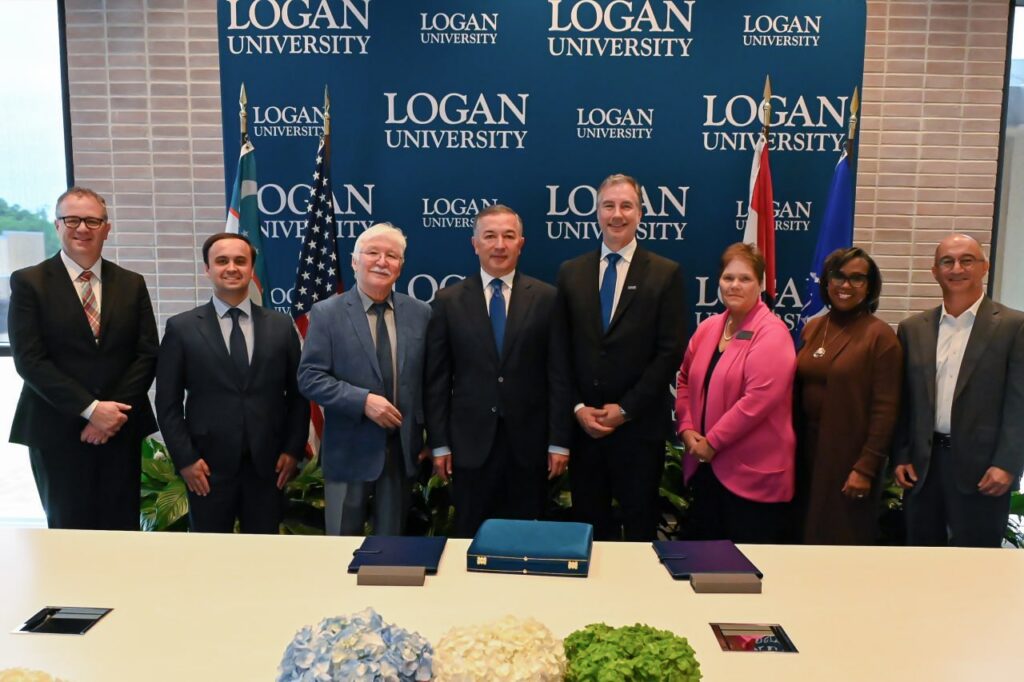
A delegation from Uzbekistan held a series of meetings with international organizations, educational institutions, employers, and law firms during the International Migration Review Forum (IMRF) in New York, as Tashkent seeks to expand legal labor migration opportunities in the United States. According to Uzbekistan’s Migration Agency, the delegation included officials from the agency, the Ministry of Foreign Affairs, and Uzbekistan’s embassy in Washington. The push comes as labor migration remains a major part of Uzbekistan’s economy. The Central Bank of Uzbekistan said remittance inflows reached high levels in 2025, with $9.9 billion arriving through traditional money transfer systems and another $8.6 billion credited directly to bank cards through P2P transfers. That scale has made overseas employment both a household income issue and a policy priority for Tashkent. The forum opened with remarks by UN Secretary-General António Guterres and Amy Pope, director general of the International Organization for Migration (IOM), who outlined priorities for global migration policy and international cooperation. During the event, Behzod Musayev, the head of Uzbekistan’s Migration Agency, presented information on migration reforms underway in Uzbekistan, including vocational and language training programs designed to prepare citizens for overseas employment. Musayev said labor migration should be viewed as an economic necessity and an investment in human capital. The delegation also met with Ugochi Daniels, IOM’s deputy director general for operations, to discuss protecting the rights of citizens of Uzbekistan working abroad and organizational issues related to an international migration forum scheduled to be held in Tashkent. Several meetings focused on expanding cooperation with U.S. educational institutions and employers. Uzbekistan signed a cooperation agreement with Logan University in Missouri on training medical personnel for the U.S. labor market, launching joint educational programs, and developing human resources. Representatives of Missouri Trucking School discussed creating a 160-hour training program to prepare drivers from Uzbekistan according to U.S. standards and support their employment opportunities. Talks with the National Council of Agricultural Employers focused on organizing labor forums with employers and expanding seasonal work programs for citizens of Uzbekistan. The delegation also reached agreements with the recruitment organization Head Honchos on H-2A visa processing, promoting agricultural workers from Uzbekistan in the U.S., and launching preparatory programs lasting eight to ten weeks. In meetings with the New York-based law firm Ballon Stoll, officials discussed work opportunities through O, H-2A, H-2B, H-1B, and E visas, as well as stronger legal protections for citizens of Uzbekistan employed in the U.S. The U.S. route is still at an early stage and will depend on American visa rules and employer demand. Under U.S. regulations, H-2A and H-2B petitions are generally limited to nationals of countries designated by the Department of Homeland Security, though USCIS can approve petitions for workers from non-designated countries on a case-by-case basis if it determines that doing so is in the U.S. interest. The discussions follow statements made earlier this year by President Shavkat Mirziyoyev, who instructed Uzbekistan’s diplomats to begin talks with Washington on including the country in U.S. seasonal labor recruitment programs. The...