• KZT/USD = 0.00211
  • TJS/USD = 0.10810
  • UZS/USD = 0.00008
  • TMT/USD = 0.29760
  • KZT/USD = 0.00211
  • TJS/USD = 0.10810
  • UZS/USD = 0.00008
  • TMT/USD = 0.29760
  • KZT/USD = 0.00211
  • TJS/USD = 0.10810
  • UZS/USD = 0.00008
  • TMT/USD = 0.29760
  • KZT/USD = 0.00211
  • TJS/USD = 0.10810
  • UZS/USD = 0.00008
  • TMT/USD = 0.29760
  • KZT/USD = 0.00211
  • TJS/USD = 0.10810
  • UZS/USD = 0.00008
  • TMT/USD = 0.29760
  • KZT/USD = 0.00211
  • TJS/USD = 0.10810
  • UZS/USD = 0.00008
  • TMT/USD = 0.29760
  • KZT/USD = 0.00211
  • TJS/USD = 0.10810
  • UZS/USD = 0.00008
  • TMT/USD = 0.29760
  • KZT/USD = 0.00211
  • TJS/USD = 0.10810
  • UZS/USD = 0.00008
  • TMT/USD = 0.29760

Viewing results 1 - 6 of 4

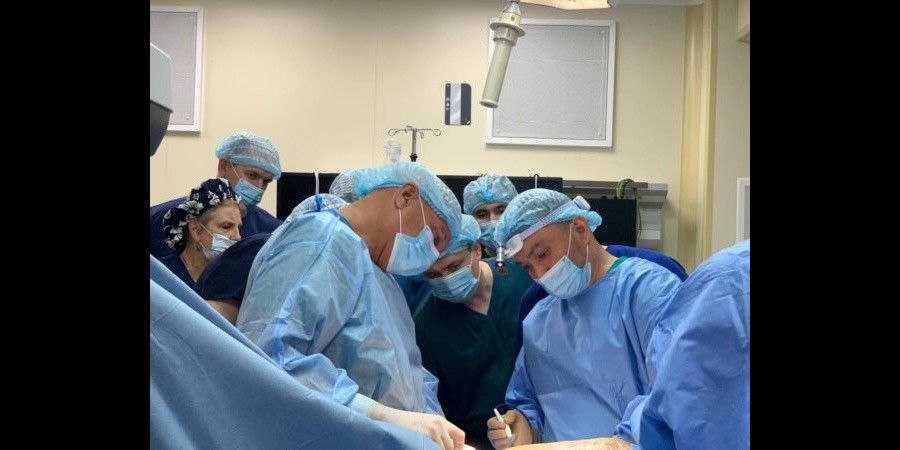
Kazakhstan Joins World’s Top 30 Countries in Cardiac Surgery Development

Kazakhstan has entered the world’s top 30 countries for cardiac surgery, according to the Ministry of Health, citing the country’s growing use of advanced cardiovascular procedures, including heart transplantation and other high-tech surgical interventions. In 2025, Kazakhstan performed 13,106 open-heart surgeries, a 7.2% increase from the previous year. Coronary artery bypass grafting accounted for the largest share of procedures, at 46.1%. It is the standard surgical treatment for severe coronary artery disease and restores blood flow to the heart by bypassing blocked or narrowed arteries. Operations for acquired and congenital heart defects together accounted for 35.8% of all open-heart procedures. “Kazakhstan continues to expand high-tech cardiology and cardiac surgery services, allowing the country to join the world’s 30 leading nations in this field,” the Ministry of Health said. In addition to conventional cardiac surgery, hospitals in Kazakhstan increasingly perform endovascular procedures. These minimally invasive interventions are carried out through small vascular punctures using catheters and other specialized instruments guided by X-ray or ultrasound imaging. According to the ministry, the country’s cardiology centers now provide more than 80 types of high-tech cardiovascular procedures. One of the country’s most notable achievements came in 2025, when surgeons completed Kazakhstan’s 100th heart transplant, highlighting the growing capabilities of the national transplant program and the increasing expertise of domestic specialists. The ministry also reported steady improvements in cardiovascular health indicators. Over the past five years, the incidence of cardiovascular diseases has declined by 15%, while mortality from circulatory system diseases has fallen by 35.1%. The positive trend continued during the first five months of 2026. Cases of circulatory system diseases declined by 6.6%, arterial hypertension by 9.7%, and coronary heart disease by 10.1%. The number of acute myocardial infarctions decreased by 5.7%, while strokes fell by 6.1%. According to the Ministry of Health, these improvements have been driven by the expansion of specialized stroke and cardiac centers, wider availability of high-tech medical care, implementation of modern clinical protocols, improvements in emergency medical services, broader preventive screening programs, and increased access to medicines for patients with cardiovascular diseases. As previously reported by The Times of Central Asia, Kazakhstan has become an increasingly attractive destination for medical tourism, driven by the competitive cost and quality of its healthcare services. In 2025, the country treated approximately 80,000 foreign patients, 4.5 times the 2021 figure. Earlier this year, President Kassym-Jomart Tokayev also argued that Kazakhstan has developed several healthcare advantages that compare favorably with those available in some advanced Western countries.
Life Expectancy in Kazakhstan Reaches Record High

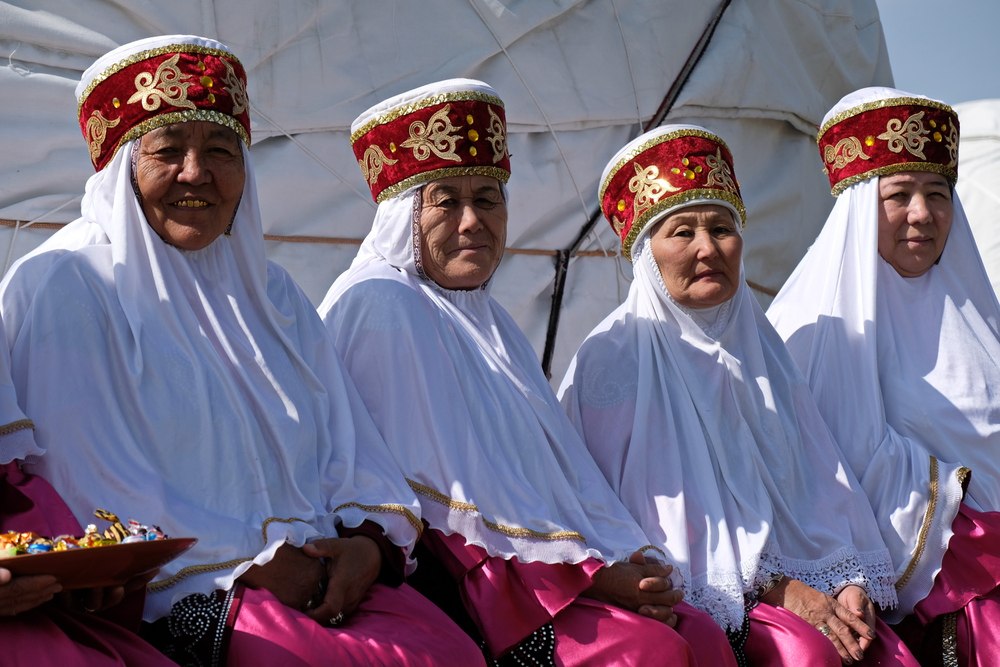
Life expectancy in Kazakhstan has reached 75.97 years, setting a record for the entire period of independence, according to the Ministry of Health. For comparison, in 1991 the figure stood at 67.6 years; in 2001 it fell to 65.6 years; in 2011 it rose to 68.98 years; and in 2021 it reached 70.23 years. Overall, life expectancy has increased by more than eight years over the past three decades. The ministry attributes this growth largely to measures aimed at combating noncommunicable diseases. In 2025, Kazakhstan ranked among the top ten countries in the European Region of the World Health Organization for reducing mortality from such diseases by 25%. According to the ministry, a systematic approach to prevention, early diagnosis, and treatment of chronic conditions has underpinned this positive trend. The government is also implementing a healthcare development strategy through 2029, which aims to raise life expectancy to 77 years. The strategy includes measures to strengthen primary healthcare, introduce digital solutions, develop human resources, and advance medical science. Priorities include reducing premature mortality from cardiovascular and oncological diseases, diabetes, and chronic respiratory conditions. The plan was developed with the participation of international organizations, including UNICEF and United Nations Population Fund. The Times of Central Asia previously reported that Kazakhstan became the first country in the region to meet its targets for reducing premature mortality from noncommunicable diseases. At the same time, rising life expectancy is accompanied by demographic shifts. According to Kazakhstan’s Unified Accumulative Pension Fund, by 2050 approximately 19% of the population will be of retirement or pre-retirement age.

Kazakhstan Moves to Regulate Chinese Medicine Clinics

Amanzhol Altai, a deputy of the Mazhilis, has submitted a formal request to the Ministry of Health proposing tighter oversight of centers operating under labels such as “Eastern medicine,” “Chinese medicine,” “acupuncture,” and “manual therapy.” The central proposal is the creation of an open digital register of such institutions, particularly those involving foreign specialists. According to the deputy, he regularly receives complaints from citizens about the provision of medical services without proper licenses or verified qualifications, the performance of invasive procedures in violation of sanitary standards, the use of unregistered medicines, and misleading advertising that promises to “cure” serious illnesses. Altai also said that some centers operate for only short periods before changing their names or addresses in order to evade oversight. Of particular concern, he noted, are cases in which foreign nationals without confirmed medical education present themselves as doctors. “We are talking about citizens of the People's Republic of China who present themselves as qualified specialists, see patients for several months, and then close the center and leave the country,” the deputy said. In his view, such practices pose a direct threat to patients’ life and health and undermine trust in the healthcare system. At the same time, some services offered under the branding of “traditional Chinese medicine” are classified as medical activities under Kazakh law and therefore require licensing, certified qualifications, and compliance with established regulatory standards. In this context, Altai proposes not only establishing a digital register of these organizations but also issuing official legal clarifications on the status of such services, strengthening interagency control over the circulation of unregistered medicines, and tightening oversight of online advertising for these centers. The Times of Central Asia previously reported on the risks of drug shortages in Kazakhstan amid proposed changes to tax policy.

Tax Reform in Kazakhstan Could Lead to Drug Shortages

Kazakhstan’s new tax policy has triggered concerns over potential disruptions in the supply of medicines and medical devices. Industry leaders warn that complexities in administering value-added tax (VAT), along with legal inconsistencies in the updated Tax Code, could destabilize the country's pharmaceutical market. Ruslan Sultanov, chairman of Kazakhstan’s Association of Pharmaceutical and Medical Product Manufacturers, raised concerns during an online meeting with government and business representatives. He said the changes have already led distributors to refuse purchases of several essential medicines. Last year, Kazakhstan adopted a new Tax Code that increased the VAT rate from 12% to 16%. It also introduced zero and reduced VAT rates for specific sectors. During parliamentary discussions, lawmakers proposed exempting essential medicines from VAT and reducing the tax burden on medical institutions.  Ultimately, authorities agreed to fully exempt more than 3,000 medicines purchased under the Guaranteed Volume of Free Medical Care (GVFMC) and Compulsory Social Health Insurance (CSHI) programs from VAT. However, Sultanov said these exemptions have not been sufficient to stabilize the market. According to him, the pharmaceutical sector is facing unprecedented administrative pressure. One of the most critical problems is the inconsistent taxation of medical devices procured under the GVFMC and CSHI frameworks. While medical services are completely exempt from VAT, a 5% VAT rate is still applied to medical devices. “As a result, hospitals are in a situation where they cannot offset the tax when purchasing medical equipment. After factoring in administrative costs, companies are losing 5-7%. This affects both domestic and foreign manufacturers,” Sultanov explained. The lack of clear guidance from government agencies has further complicated matters. Socially significant medicines, which were previously taxed at 5%, are now VAT-exempt but ambiguity around the new rules has led to widespread reluctance among distributors to place orders. “The confusion has created a bottleneck. For example, paracetamol is physically available in warehouses, but its movement is being blocked. Without timely clarification, we will face a shortage,” Sultanov warned. To resolve the issue, he proposed eliminating the fragmented VAT structure currently applied to the pharmaceutical sector. Sultanov also highlighted the risks associated with the under-declaration of customs values for imported drugs. He stated that customs officials continue to rely on outdated price data from a year ago, ignoring current market rates. This, combined with delays in approving maximum retail prices by the Ministry of Health, threatens the viability of long-term drug supply contracts signed before January 2026, particularly those involving medicines not produced domestically. His concerns are echoed by pharmacy industry leaders. Talgat Omarov, Chairman of the Kazakhstan Association of Independent Pharmacies, confirmed that the organization has submitted formal appeals to President Kassym-Jomart Tokayev and Senate leadership, calling for the complete exemption of the pharmaceutical sector from VAT, not just medications supplied under state programs. “Every day, customers come into pharmacies, see new price tags, complain, and leave. We hear this negativity constantly. Medicines are socially significant goods, and applying additional taxes in the current climate is dangerous,” Omarov said. To cope with increased taxes...