

• KGS/USD = 0.01144 0%
  • KZT/USD = 0.00210 0%
  • TJS/USD = 0.10563 0%
  • UZS/USD = 0.00008 0%
  • TMT/USD = 0.28530 0%
  • KGS/USD = 0.01144 0%
  • KZT/USD = 0.00210 0%
  • TJS/USD = 0.10563 0%
  • UZS/USD = 0.00008 0%
  • TMT/USD = 0.28530 0%
  • KGS/USD = 0.01144 0%
  • KZT/USD = 0.00210 0%
  • TJS/USD = 0.10563 0%
  • UZS/USD = 0.00008 0%
  • TMT/USD = 0.28530 0%
  • KGS/USD = 0.01144 0%
  • KZT/USD = 0.00210 0%
  • TJS/USD = 0.10563 0%
  • UZS/USD = 0.00008 0%
  • TMT/USD = 0.28530 0%
  • KGS/USD = 0.01144 0%
  • KZT/USD = 0.00210 0%
  • TJS/USD = 0.10563 0%
  • UZS/USD = 0.00008 0%
  • TMT/USD = 0.28530 0%
  • KGS/USD = 0.01144 0%
  • KZT/USD = 0.00210 0%
  • TJS/USD = 0.10563 0%
  • UZS/USD = 0.00008 0%
  • TMT/USD = 0.28530 0%
  • KGS/USD = 0.01144 0%
  • KZT/USD = 0.00210 0%
  • TJS/USD = 0.10563 0%
  • UZS/USD = 0.00008 0%
  • TMT/USD = 0.28530 0%
  • KGS/USD = 0.01144 0%
  • KZT/USD = 0.00210 0%
  • TJS/USD = 0.10563 0%
  • UZS/USD = 0.00008 0%
  • TMT/USD = 0.28530 0%

Viewing results 1 - 6 of 5

Kazakhstan to Introduce AI in Driver’s License Exams

Kazakhstan plans to introduce artificial AI technologies into both the theoretical and practical components of driver’s license exams. At the same time, citizens will be allowed to take the exams an unlimited number of times without having to repeat training at driving schools. The initiatives were presented by Zhaslan Madiyev, Minister of Digital Development, Innovation and Aerospace Industry, together with representatives of the Ministry of Internal Affairs. According to the proposed changes, augmented reality (AR) technologies will be used in the theoretical exam, while computer vision systems will monitor practical driving tests. These measures are intended to increase transparency and prevent the use of prohibited devices. “These measures will make it possible to minimize the use of prohibited technical tools and to record violations,” the government press service said. A pilot project is set to be launched at a branch of the National Testing Center under the Ministry of Science and Higher Education in Astana. The project will test technologies aimed at ensuring academic integrity, as well as conduct psychometric analysis of exam questions to verify their reliability and alignment with safe driving standards. The new rules provide for the possibility of an unlimited number of exam attempts on a paid basis, with a mandatory interval of at least 10 calendar days between attempts. Currently, applicants are granted three free attempts, two with a one-day interval and a third after 30 days. After exhausting these attempts, retraining at a driving school is required. According to the government, the new approach will make the process more accessible and reduce corruption risks by eliminating incentives to obtain licenses illegally. Plans also include strengthening the information security of digital systems used in the licensing process by classifying them as critical information infrastructure. This would introduce stricter liability for unauthorized interference, including criminal penalties. Administrative liability will also be introduced for individuals who assist in illegally obtaining driver’s licenses. Violations such as the use of micro earpieces, hidden cameras, and other transmitting devices will be punishable by fines and disqualification from taking the theoretical exam for up to one year. The reforms will also affect driving schools. Licensing requirements are expected to be introduced, and their performance will be evaluated based on training quality and public feedback. Licenses may be revoked in cases of consistently poor standards. As previously reported by The Times of Central Asia, Senator Gennady Shipovskikh had earlier proposed restoring state oversight of private driving schools.

From Reform to Roadblocks: The Uneven Evolution of Motor Insurance in Central Asia

Motor insurance markets across Central Asia exhibit contrasting levels of development, from Kazakhstan’s expanding, digitized sector to Kyrgyzstan and Turkmenistan, where the system remains largely ineffective. Beyond compensating for damages, motor insurance is increasingly viewed as a tool for strengthening financial markets, promoting road safety, and easing the fiscal burden during emergencies. Kazakhstan Kazakhstan leads the region in insurance market volume. According to the Agency for Regulation and Development of the Financial Market (ARDFM), compulsory third-party motor insurance (OSGPO) premiums totaled more than KZT 106 billion ($205 million) in 2023, an 18% increase from the previous year. Since 2019, Kazakhstan has operated an electronic OSGPO registration system, streamlining policy purchases and reducing fraud. Integration with the Ministry of Internal Affairs databases now enables more effective monitoring of compliance. In April 2025, the country introduced a revised bonus-malus system with 18 risk classes, ranging from M2 (highest risk, coefficient 3.5) to Class 13 (lowest risk, coefficient 0.5). New drivers are assigned Class A with a coefficient of 1.8. The updated system accounts for accident history, traffic violations, and the duration of accident-free driving. Despite this progress, voluntary comprehensive insurance (CASCO) remains underutilized; fewer than 5% of car owners hold such policies. Barriers include high costs, limited public understanding, and the persistent mistrust of insurers. Nevertheless, demand for CASCO is growing amid rising accident rates and vehicle costs. Once considered a luxury for owners of new cars, CASCO is increasingly popular among middle-income drivers, particularly those buying vehicles on credit or lease. According to Ranking.kz, CASCO premiums reached KZT 13.4 billion ($26 million) in January-February 2025, slightly below the same period in 2024 ($29 million) but still well above pre-pandemic levels. CASCO now covers a broad range of risks, including accidents, theft, vandalism, fire, and natural disasters. For many Kazakhstani drivers, comprehensive coverage is becoming a central part of their financial strategy rather than a discretionary purchase. Kyrgyzstan In Kyrgyzstan, however, the motor insurance system is largely dormant. Although a compulsory insurance law was passed in 2015, only 8-10% of the vehicle fleet is insured. The absence of a unified digital platform, weak interagency coordination, and low public confidence hinder progress. The authorities intend to relaunch reforms in 2025, focusing on digital integration between the Ministry of Internal Affairs and the National Bank. Beginning July 1, 2025, fines will be imposed on uninsured drivers: 3,000 KGS (around $35) for individuals and 13,000 KGS (about $150) for foreign nationals and legal entities. The new penalties are expected to promote compliance and foster a stronger insurance culture. Uzbekistan Uzbekistan, in contrast, has made substantial strides since 2019. Restrictions on foreign insurers have been lifted, and the Insurance Market Development Agency has spearheaded a digital transformation of the sector. In 2023, motor insurance premiums surpassed 250 billion som, largely from OSGPO policies. The government has expanded policy coverage and supports online issuance to increase accessibility and competition. As of September 1, 2024, all compulsory motor insurance policies will be digitized and issued through a centralized...

Kyrgyz Clergy to Compete in Traffic Rules Knowledge Contest

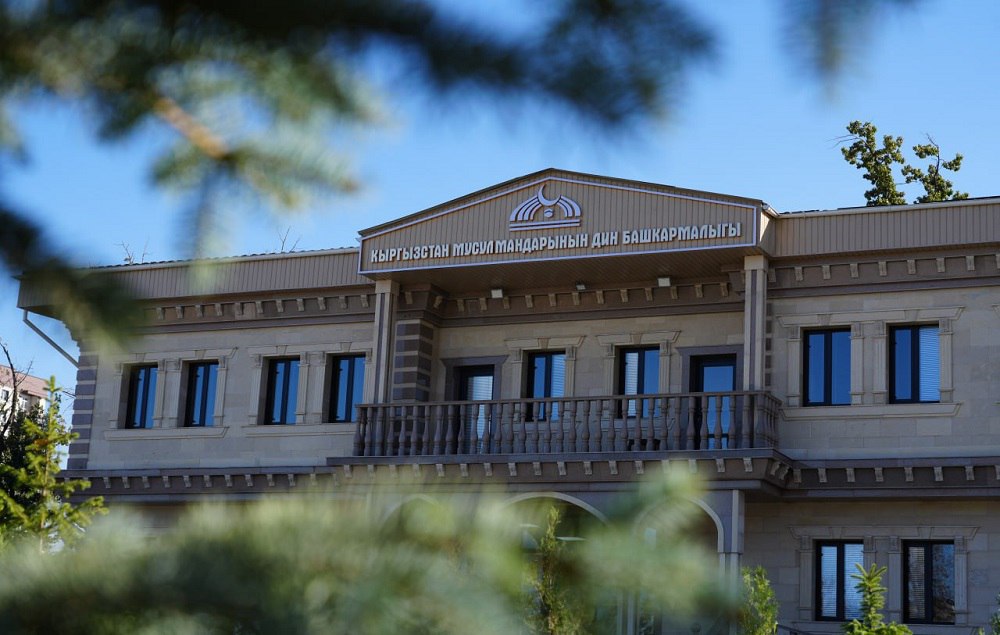
The Spiritual Administration of Muslims of Kyrgyzstan (DUMK) will hold a competition among its members to test their knowledge of traffic regulations. The participants will include mosque imams and staff from DUMK's central office, according to a statement on the Muftiate's official Facebook page. The initiative follows a recent meeting between DUMK representatives and officials from Kyrgyzstan’s Main Directorate of Road Traffic Safety (DGUOBDD). Traffic police emphasized the importance of promoting traffic rule compliance among the public, and particularly among the faithful, highlighting the clergy’s influential role in society. “To effectively promote road safety, religious leaders themselves must be well-versed in traffic laws,” said a DUMK spokesperson. “Shariah places great value on human life, which is why it mandates adherence to rules that protect it, including traffic regulations.” Addressing a Rising Crisis Traffic violations and accidents are a persistent issue in Kyrgyzstan. The DUMK noted that the National Statistical Committee records road accidents approximately every 90 minutes across the country. The situation is especially serious in rural areas. In response, the Muftiate has been conducting awareness campaigns in mosques nationwide for several years, including the ongoing “Human Life Above All” initiative aimed at reinforcing the religious imperative to safeguard life. Government Push for Compliance The clergy-led effort aligns with a broader push by the Kyrgyz government to enhance road safety. Starting in September 2025, drivers who commit traffic violations will be subject to on-the-spot knowledge tests, under a policy introduced by President Sadyr Japarov. This cooperation between religious and state institutions reflects a growing effort to integrate moral authority into public safety campaigns, particularly in a country where religious leaders remain influential community figures.
