
• KGS/USD = 0.01143 0%
  • KZT/USD = 0.00202 0%
  • TJS/USD = 0.10599 -0.19%
  • UZS/USD = 0.00008 0%
  • TMT/USD = 0.28575 0%
  • KGS/USD = 0.01143 0%
  • KZT/USD = 0.00202 0%
  • TJS/USD = 0.10599 -0.19%
  • UZS/USD = 0.00008 0%
  • TMT/USD = 0.28575 0%
  • KGS/USD = 0.01143 0%
  • KZT/USD = 0.00202 0%
  • TJS/USD = 0.10599 -0.19%
  • UZS/USD = 0.00008 0%
  • TMT/USD = 0.28575 0%
  • KGS/USD = 0.01143 0%
  • KZT/USD = 0.00202 0%
  • TJS/USD = 0.10599 -0.19%
  • UZS/USD = 0.00008 0%
  • TMT/USD = 0.28575 0%
  • KGS/USD = 0.01143 0%
  • KZT/USD = 0.00202 0%
  • TJS/USD = 0.10599 -0.19%
  • UZS/USD = 0.00008 0%
  • TMT/USD = 0.28575 0%
  • KGS/USD = 0.01143 0%
  • KZT/USD = 0.00202 0%
  • TJS/USD = 0.10599 -0.19%
  • UZS/USD = 0.00008 0%
  • TMT/USD = 0.28575 0%
  • KGS/USD = 0.01143 0%
  • KZT/USD = 0.00202 0%
  • TJS/USD = 0.10599 -0.19%
  • UZS/USD = 0.00008 0%
  • TMT/USD = 0.28575 0%
  • KGS/USD = 0.01143 0%
  • KZT/USD = 0.00202 0%
  • TJS/USD = 0.10599 -0.19%
  • UZS/USD = 0.00008 0%
  • TMT/USD = 0.28575 0%
15 February 2026

Viewing results 1 - 6 of 2

Kyrgyz Authorities Push for Expanded Winter Wheat Cultivation

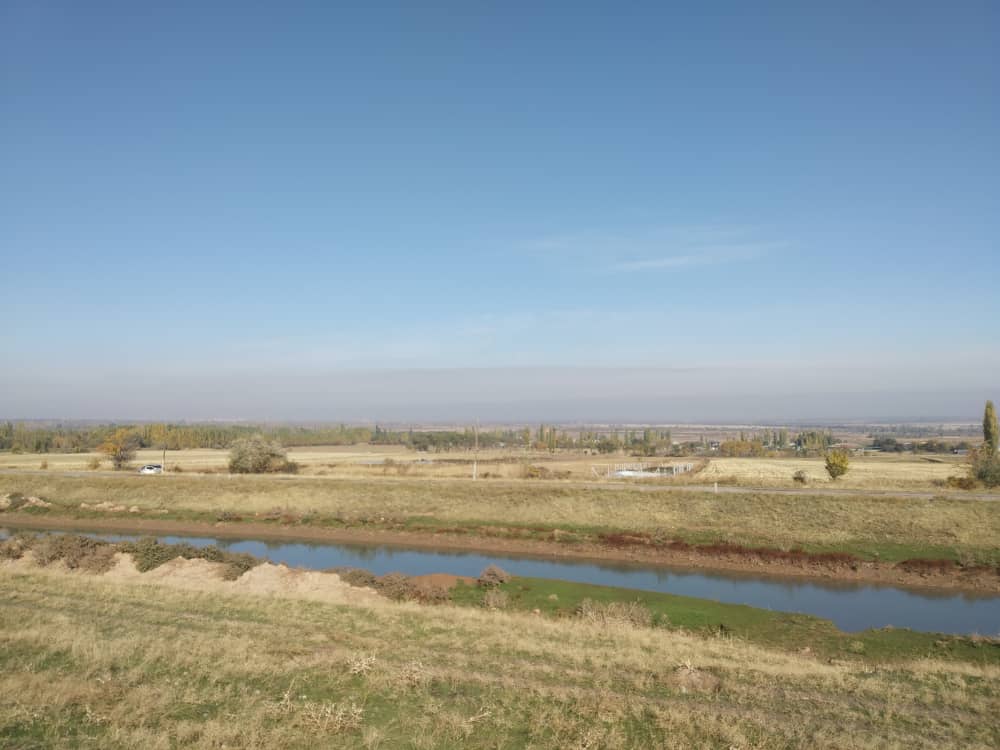
The Ministry of Agriculture of Kyrgyzstan is urging the country’s agribusiness sector to expand the cultivation of winter wheat, citing its higher yields and potential to strengthen national food security. According to a recent ministry study, winter wheat yields are 20-30 percent higher than those of spring wheat. Officials noted that greater productivity could ensure more stable incomes for farmers, while year-round demand for high-quality grain provides additional incentives for cultivation. “The vegetation period of winter crops begins earlier, allowing farmers to harvest ahead of spring crops and, if necessary, secure a second harvest. This boosts agribusiness revenue. Autumn sowing also benefits from higher soil moisture, which ensures better germination and deeper plant rooting,” the ministry stated. President Sadyr Japarov has previously criticized Kyrgyzstan’s reliance on wheat imports, noting that the country currently produces only 40 percent of its domestic wheat needs. The remaining 60 percent is met through imports. During the Soviet era, Kyrgyzstan produced up to 1.5 million tons of wheat annually, exceeding its domestic demand of 1 million tons. The ministry emphasized that winter wheat cultivation has steadily declined since the early 2000s, when farmers began relying more on imported grain from Kazakhstan and later Russia. As previously reported by The Times of Central Asia, this year, Kyrgyzstan increased wheat imports from Kazakhstan eightfold due to rising prices for Russian grain. Currently, Kyrgyz farmers cultivate wheat on 250,000 hectares, producing around 650,000 tons annually. Most of this is spring wheat, which yields approximately 35 percent less than winter varieties. The ministry plans to expand the total sowing area by 100,000 hectares, prioritizing winter wheat to reduce import dependence and enhance food security.

Tajikistan Launches National Food Reform to Boost Nutrition

A large-scale food reform program titled “Changing the Food System to Improve Nutrition” has been launched in Tajikistan, aiming to improve dietary practices and enhance national food security. The initiative is a collaborative effort between the Tajik government and several United Nations agencies, including the Food and Agriculture Organization (FAO), the United Nations Children's Fund (UNICEF), the World Health Organization (WHO), and the World Food Programme (WFP). Sustainability and Coordination at the Core With a budget of $2 million, the program targets over 2.8 million people across both urban and rural areas. The central goals include fostering sustainable agricultural practices, promoting healthy eating habits, and strengthening food governance systems. Parvati Ramaswamy, the UN Resident Coordinator in Tajikistan, described the project as a unifying platform for agencies, donors, and international partners. “Changing the food system is one of the government's priorities for achieving the Sustainable Development Goals,” she stated. The program is implemented in coordination with the Tajikistan Food Security Committee and various national ministries. “By transforming food systems through innovation, inclusiveness, and sustainability, we can raise a healthy generation,” added Mahmoud Shirindjonzoda, First Deputy Chairman of the Food Security Committee. Four Pillars of the Program The initiative is structured around four main components: National Nutrition Standards ($650,000): This includes training seminars, updated dietary guidelines for schools and hospitals, and the introduction of comprehensive nutrition standards. Building a Culture of Nutrition ($300,000): Funds will support mass awareness campaigns, educational programs, and regional outreach to encourage healthy dietary habits. Sustainable Agriculture and Green Products ($850,000): Efforts will focus on training farmers, developing school gardens, and promoting eco-friendly local products. Support will also be extended to women and youth in agribusiness, with a new certification system for environmentally sustainable goods. Monitoring and Strategic Planning ($200,000): This component will develop a national nutrition assessment system and data-driven policy frameworks. Support for Vulnerable Populations and Local Production A key objective of the program is to strengthen state mechanisms for supplying nutritious food to vulnerable population groups. It also includes the preparation of policy recommendations and methodologies to enhance national food security. Promoting local, eco-friendly alternatives to imported goods is another major element of the project, aimed at reducing reliance on external supplies while supporting domestic producers. With its comprehensive approach, the program aspires not only to improve nutrition but also to establish a long-term foundation for sustainable development in Tajikistan, where food security and public health remain pressing concerns.
