• KGS/USD = 0.01144 0%
  • KZT/USD = 0.00205 0%
  • TJS/USD = 0.10429 0.29%
  • UZS/USD = 0.00008 0%
  • TMT/USD = 0.28490 0%
  • KGS/USD = 0.01144 0%
  • KZT/USD = 0.00205 0%
  • TJS/USD = 0.10429 0.29%
  • UZS/USD = 0.00008 0%
  • TMT/USD = 0.28490 0%
  • KGS/USD = 0.01144 0%
  • KZT/USD = 0.00205 0%
  • TJS/USD = 0.10429 0.29%
  • UZS/USD = 0.00008 0%
  • TMT/USD = 0.28490 0%
  • KGS/USD = 0.01144 0%
  • KZT/USD = 0.00205 0%
  • TJS/USD = 0.10429 0.29%
  • UZS/USD = 0.00008 0%
  • TMT/USD = 0.28490 0%
  • KGS/USD = 0.01144 0%
  • KZT/USD = 0.00205 0%
  • TJS/USD = 0.10429 0.29%
  • UZS/USD = 0.00008 0%
  • TMT/USD = 0.28490 0%
  • KGS/USD = 0.01144 0%
  • KZT/USD = 0.00205 0%
  • TJS/USD = 0.10429 0.29%
  • UZS/USD = 0.00008 0%
  • TMT/USD = 0.28490 0%
  • KGS/USD = 0.01144 0%
  • KZT/USD = 0.00205 0%
  • TJS/USD = 0.10429 0.29%
  • UZS/USD = 0.00008 0%
  • TMT/USD = 0.28490 0%
  • KGS/USD = 0.01144 0%
  • KZT/USD = 0.00205 0%
  • TJS/USD = 0.10429 0.29%
  • UZS/USD = 0.00008 0%
  • TMT/USD = 0.28490 0%

Viewing results 1 - 6 of 6

How an Incident on the Azerbaijan-Iran Border Became a Test for Diplomacy in the Region

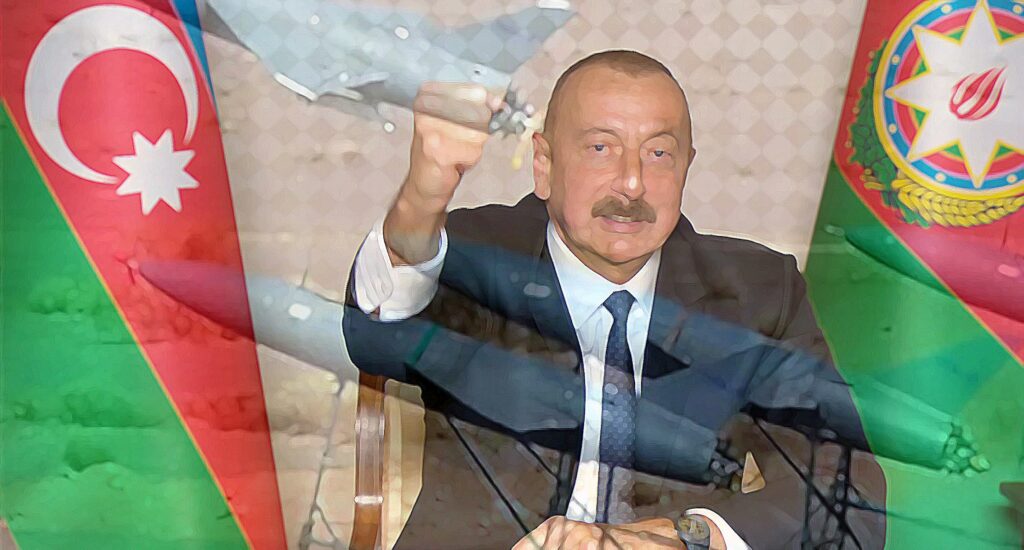
The drone strike on Azerbaijan's Nakhchivan Autonomous Republic on March 5 has become one of the most serious incidents in relations between Baku and Tehran in recent years. Azerbaijani authorities described the incident as a terrorist act and demanded explanations and an apology from Iran. Tehran, in turn, rejected the accusations, suggesting the possibility of a provocation by “third forces.” Following the drone incident, Kazakh President Kassym-Jomart Tokayev held a phone call with Azerbaijani President Ilham Aliyev to discuss regional security. According to the Azerbaijani presidency, Aliyev thanked Tokayev for condemning the attack on Nakhchivan and for voicing support for Azerbaijan. What began as a local security incident has raised concerns about regional stability in the South Caucasus. Terrorist Act Against the State Azerbaijani President Ilham Aliyev issued a statement strongly condemning "this despicable terrorist act. Those who committed it must be brought to justice immediately,” Aliyev said. According to Azerbaijan’s Ministry of Foreign Affairs, one drone hit the terminal building of Nakhchivan International Airport, while another crashed near a school in the village of Shekerabad. Two civilians were reportedly injured. Baku stressed that the attack, allegedly launched from Iranian territory, violated international law and could lead to a dangerous escalation of tensions in the region. Diplomatic Escalation Despite the harsh rhetoric in the first hours after the incident, Baku opted to rely primarily on diplomatic tools. The Iranian ambassador was summoned to the Azerbaijani Foreign Ministry and handed a formal note of protest requesting official explanations. Azerbaijan said on Friday that it was evacuating staff from its embassy in Tehran as well as its consulate in the city of Tabriz. At the same time, Azerbaijani security forces were placed on high alert. According to Aliyev, the country’s armed forces were instructed to prepare possible countermeasures. Turkish President Recep Tayyip Erdogan spoke by phone with Aliyev, condemning the attack and expressing support for Azerbaijan, according to official statements. Reports of alleged Iranian-linked sabotage plots also surfaced, with the Azerbaijani authorities stating that several terrorist attacks had been prevented on the country’s territory. According to the State Security Service, the Iranian Islamic Revolutionary Guard Corps was behind the plots. Among the alleged targets was the Baku-Tbilisi-Ceyhan oil pipeline, a strategic energy corridor linking the Caspian region with Turkey and one of the main routes for exporting Azerbaijani oil. According to Azerbaijani sources, other potential targets included the Israeli embassy, a synagogue in the capital, and a leader of the local Mountain Jewish community. The security service reported that three explosive devices had been brought into the country but were discovered and defused before they could be delivered. The development of the crisis has prompted increased diplomatic contact between world leaders. Russian President Vladimir Putin held a telephone conversation with Iranian President Masoud Pezeshkian amid the growing regional tensions. Shortly thereafter, Russia’s Foreign Ministry called on both sides to exercise restraint and emphasized the need for a thorough investigation into the drone strike. On March 7, the foreign ministers of all the Central...

A Stranger Among His Own: Rejected by Russia, Kazakh Comedian Nurlan Saburov Faces Cold Reception at Home

Kazakh comedian Nurlan Saburov has become the third stand-up performer to be officially barred from entering Russia, this time with a 50-year entry ban. The decision, reportedly issued on national security grounds, follows years of mounting controversy surrounding the artist, who has struggled to reconcile his dual identity as a Kazakhstani citizen and a celebrity shaped by Russian showbusiness. From Stepnogorsk to Moscow Spotlight Born in 1991 in Stepnogorsk (Akmola region, Kazakhstan), Saburov’s career took off through KVN, the long-running Soviet-era improv competition, after enrolling at Ural Federal University in Yekaterinburg. In 2014, he relocated to Moscow with his family to pursue a career in the booming Russian stand-up scene, eventually gaining national fame through television appearances. However, that rise has since been marred by a series of political and legal controversies. Neutrality in the Spotlight and Its Consequences Saburov's troubles began in April 2022, when he was confronted during a U.S. tour by a protester covered in red paint, a symbolic act referencing the war in Ukraine. His offhand joke referencing menstruation drew global backlash, leading to an American tour cancellation and public outrage. Attempts to declare a neutral stance on the war in Ukraine only deepened public criticism. By May 2025, he faced his first major setback at Moscow's Sheremetyevo airport, where he was fined for immigration violations but allowed to leave without a ban. Then, on February 6, 2026, upon arrival at Vnukovo airport from Dubai, Saburov was detained and issued an official notice of a 50-year ban from entering Russia. The document cited violations of tax and migration law, with authorities alleging he attempted to legalize his earnings through intermediaries while refusing to apply for Russian citizenship. “In 2024 alone, Nurlan Saburov declared more than 50 million rubles [$645,000] in income while ignoring tax and migration rules,” Russian law enforcement sources told RIA Novosti. He was initially scheduled for deportation to Dubai but instead chose to fly to Almaty, Kazakhstan. Uneasy Return to Kazakhstan Speculation quickly emerged about whether Saburov would settle permanently in Almaty, where he co-hosts a successful YouTube talk show alongside three Russian hosts. The program, previously hosted on YouTube, now runs on VK, Russia’s state-backed video platform, and frequently features Russian celebrities. Relocating the production to Kazakhstan could, some argued, benefit the country’s cultural profile and tourism appeal. However, Saburov was met with public hostility. A video from 2025 resurfaced online showing him donating 10 enduro motorcycles to fighters from the Wagner Group’s Istra unit, a controversial paramilitary force implicated in operations in Ukraine. In response, Almaty-based activist Marat Turymbetov submitted a formal complaint to the Prosecutor General’s Office of Kazakhstan, calling for an investigation into possible violations of Article 170 of the Criminal Code, which prohibits financing illegal armed groups. “I believe the authorities will investigate and bring this individual to justice,” Turymbetov stated in a social media post, citing possible mercenary activity. Other Kazakhstani citizens, particularly those who support Ukraine, joined Turymbetov’s call for legal action. Saburov Responds Despite the...