
• KGS/USD = 0.01144 0%
  • KZT/USD = 0.00198 0%
  • TJS/USD = 0.10857 -0.18%
  • UZS/USD = 0.00008 0%
  • TMT/USD = 0.28571 0%
  • KGS/USD = 0.01144 0%
  • KZT/USD = 0.00198 0%
  • TJS/USD = 0.10857 -0.18%
  • UZS/USD = 0.00008 0%
  • TMT/USD = 0.28571 0%
  • KGS/USD = 0.01144 0%
  • KZT/USD = 0.00198 0%
  • TJS/USD = 0.10857 -0.18%
  • UZS/USD = 0.00008 0%
  • TMT/USD = 0.28571 0%
  • KGS/USD = 0.01144 0%
  • KZT/USD = 0.00198 0%
  • TJS/USD = 0.10857 -0.18%
  • UZS/USD = 0.00008 0%
  • TMT/USD = 0.28571 0%
  • KGS/USD = 0.01144 0%
  • KZT/USD = 0.00198 0%
  • TJS/USD = 0.10857 -0.18%
  • UZS/USD = 0.00008 0%
  • TMT/USD = 0.28571 0%
  • KGS/USD = 0.01144 0%
  • KZT/USD = 0.00198 0%
  • TJS/USD = 0.10857 -0.18%
  • UZS/USD = 0.00008 0%
  • TMT/USD = 0.28571 0%
  • KGS/USD = 0.01144 0%
  • KZT/USD = 0.00198 0%
  • TJS/USD = 0.10857 -0.18%
  • UZS/USD = 0.00008 0%
  • TMT/USD = 0.28571 0%
  • KGS/USD = 0.01144 0%
  • KZT/USD = 0.00198 0%
  • TJS/USD = 0.10857 -0.18%
  • UZS/USD = 0.00008 0%
  • TMT/USD = 0.28571 0%
05 December 2025

Viewing results 1 - 6 of 4

Kyrgyzstan Adopts Snow Leopard as National Symbol, Unveils Official Logo

On October 23, International Snow Leopard Day, Kyrgyzstan’s Cabinet of Ministers officially designated the snow leopard as the country’s national symbol and approved an official logo along with usage guidelines. The move follows a presidential decree issued in December 2023 recognizing the snow leopard as a national emblem. The Cabinet has tasked the Ministry of Natural Resources, Ecology, and Technical Supervision with developing an action plan to protect the species and its habitat. Snow leopards are considered a key indicator of ecological health in mountainous regions across 12 Asian countries, including Kyrgyzstan. The nation has played a prominent role in global conservation efforts, most notably by spearheading a UN General Assembly initiative that led to the establishment of October 23 as International Snow Leopard Day. Kyrgyzstan has also created the Ak Ilbirs Ecological Corridor in the Issyk-Kul region. Spanning more than 792,000 hectares, the corridor links major protected areas including Khan-Tengri State Nature Park, Sarychat-Eertash Nature Reserve, and Naryn Nature Reserve. The initiative aims to preserve habitats for snow leopards and other endangered species while promoting sustainable resource use. To mark the occasion, Bishkek also hosted the “Business, Ecology, and Sports - Ak-Ilbirs 2025” forum, which convened government officials, business leaders, sports organizations, and civil society representatives. The forum promoted the conservation of high-mountain ecosystems and introduced branding strategies positioning Kyrgyzstan as the “Country of the Snow Leopard.” According to a global assessment conducted from 2020 to 2024 under the Global Snow Leopard and Ecosystem Protection Program (GSLEP), Kyrgyzstan’s snow leopard population is estimated at 285 individuals.
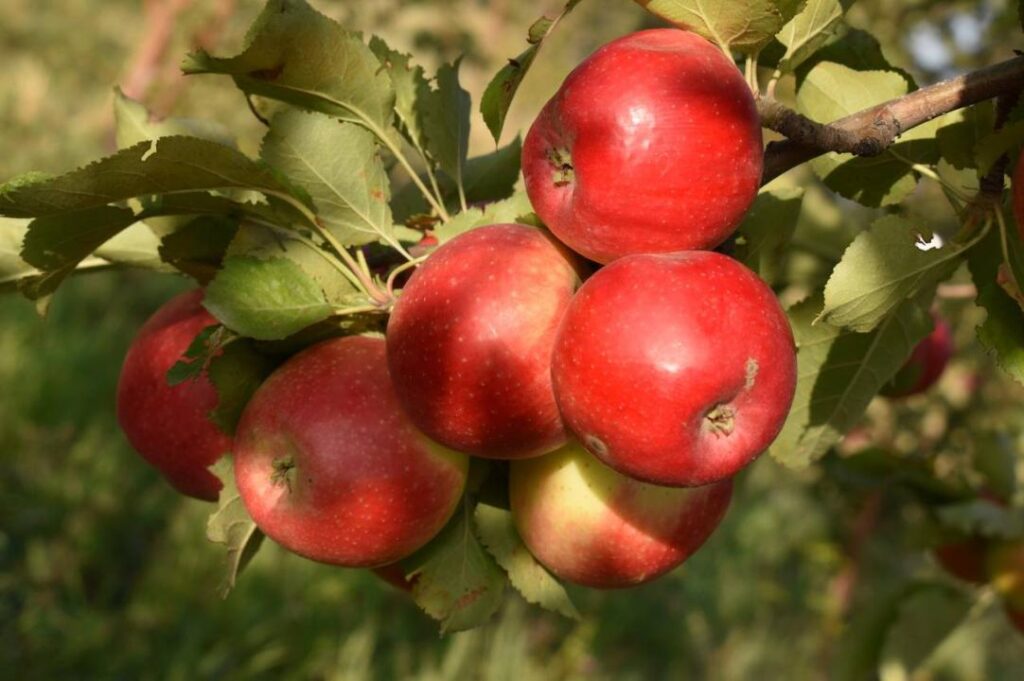

Kazakhstan Launches Ambitious Project to Revive Legendary Aport Apple

Kazakhstan has launched a major initiative to restore one of Almaty's most iconic symbols, the Aport apple variety. The Return of a National Symbol According to the National Agrarian Scientific and Educational Center (NANOC), new Aport orchards will be planted in the Almaty region starting in 2025, covering an area of 110 hectares. The project, set to run through 2028, plans to introduce approximately 25,000 seedlings. Funding has already been secured, and experts from KazNII Horticulture LLP have begun implementing the roadmap. “We are confident that the revival of this variety will be an important step in the development of domestic horticulture and will provide Kazakhstanis with high-quality and tasty fruits,” NANOC stated. The first harvest is expected in eight years. According to scientific forecasts, yields could reach up to 57.7 kilograms per tree in the early stages and up to 100 kilograms as the orchards mature. Aport apples are known not only for their distinctive aroma and taste but also for their durability: with proper storage, they remain fresh until March, and with modern preservation methods, even until June. A Fruit Steeped in History The Aport apple is more than just a fruit, it’s a cultural brand of Almaty. With its large size, vibrant color, and rich aroma, the Aport became a hallmark of the city. Historical records show that in 1865, a peasant named Yegor Redko brought Aport seedlings from Russia’s Voronezh Province to the town of Verny (modern-day Almaty). Within a decade, the variety flourished in the unique climate of the Zailiyskiy Alatau, revealing its full potential. By the early 20th century, Aport apples had gained international acclaim. At an exhibition in Germany in 1908, the variety won a prize. Since then, it has been recognized as a Kazakhstani brand. In 2023, the Aport was officially patented as a national product. Justice Minister Azamat Eskarayev has announced efforts to register the Aport as an international brand, including in European countries. Decline and Recovery Challenges The decline of the Aport apple began in the late 20th century, driven by rapid urbanization and the commercial development of former orchard lands. According to Saule Kazybayeva, Deputy Chair of the Board at the Kazakh Research Institute of Fruit and Vegetable Growing, the Aport was replaced by hardier and more commercially viable varieties like Golden Delicious. Moreover, the Aport requires specific care and environmental conditions, making it less appealing for mass production. Another setback has been the degradation of its genetic qualities. The traditional method of grafting Aport onto wild Sivers apple stock is often not properly followed, especially by private farms, resulting in a loss of the variety’s signature flavor. The Current Outlook According to the Ministry of Agriculture, Aport orchards now cover 2,500 hectares across Almaty and Zhetysu oblasts, with around 416,000 trees in total. Almaty itself has about 230 hectares of Aport orchards. However, local authorities acknowledge that both the orchard area and fruit quality are in decline, largely due to disease susceptibility. Despite these challenges, a revitalization program...