Kyrgyzstan Begins Updating Red Book as Scientists Survey Rare Species Nationwide
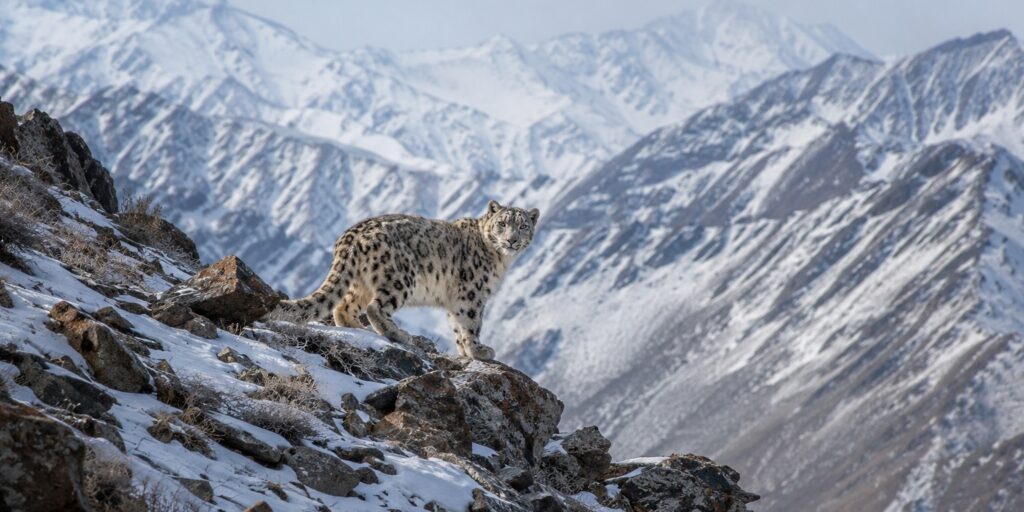
Kyrgyzstan has begun preparing its first comprehensive update of the national Red Book in nearly two decades. On June 3, 2026, the Ministry of Natural Resources, Ecology and Technical Supervision and the National Academy of Sciences signed a cooperation agreement to collect updated data on rare and endangered species of flora and fauna. The project is scheduled to last two years and is estimated to cost about 21 million soms. What Has Been Decided Under the agreement, scientists from the National Academy of Sciences will carry out field and desk-based research across the country to obtain current, reliable information on rare and threatened species. The studies are intended to clarify population sizes, habitat ranges, and extinction risks. At the end of the 24-month project, the scientists will submit a scientific database to the ministry, which will serve as the basis for a new edition of the Red Book. The ministry said updating this information will make it possible to protect vulnerable species more effectively and preserve the country’s biodiversity. A Book Reissued Only Twice in 40 Years A full edition of Kyrgyzstan’s Red Book has been published only twice. The first appeared in 1985, when it was still called the Red Book of the Kirghiz SSR. The second was released in 2006-2007 in two volumes: Animals and Plants and Fungi. Since then, the protected list has been adjusted without a new full edition. In 2019, officials said the list had increased by 22 animal and plant species, but no complete printed edition followed. This is the gap the new revision is intended to close. Since the last edition, both the condition of wildlife populations and monitoring methods have changed. New field data is therefore needed to ensure that the document reflects the current situation. Which Species Are Protected Today The current Red Book of Kyrgyzstan includes 57 bird species, 23 mammal species, two amphibian species, eight reptile species, seven fish species, and 18 arthropod species. In addition to animals, 89 species of higher plants and fungi are protected. These figures will be the starting point for the review. Researchers will need to determine which species are still found in their former habitats, which populations have declined, and which species may need to be added to the list for the first time. Snow Leopard: A National Symbol and a Rare Example of Recovery The best-known inhabitant of Kyrgyzstan’s mountains on the list is the snow leopard. On December 30, 2023, it was officially recognized as a national symbol of the country by presidential decree. The species is listed as vulnerable on the International Union for Conservation of Nature’s Red List and has rare or endangered status in all 12 countries across its range. Kyrgyzstan is also one of the few countries where official figures indicate that the snow leopard population is growing. According to the 2024 count, the country had about 511 individuals, compared with 282 in 2013. Penalties for the illegal capture and export of the animal were also increased...