• KGS/USD = 0.01144 0%
  • KZT/USD = 0.00215 0%
  • TJS/USD = 0.10691 0.09%
  • UZS/USD = 0.00008 0%
  • TMT/USD = 0.28530 0%
  • KGS/USD = 0.01144 0%
  • KZT/USD = 0.00215 0%
  • TJS/USD = 0.10691 0.09%
  • UZS/USD = 0.00008 0%
  • TMT/USD = 0.28530 0%
  • KGS/USD = 0.01144 0%
  • KZT/USD = 0.00215 0%
  • TJS/USD = 0.10691 0.09%
  • UZS/USD = 0.00008 0%
  • TMT/USD = 0.28530 0%
  • KGS/USD = 0.01144 0%
  • KZT/USD = 0.00215 0%
  • TJS/USD = 0.10691 0.09%
  • UZS/USD = 0.00008 0%
  • TMT/USD = 0.28530 0%
  • KGS/USD = 0.01144 0%
  • KZT/USD = 0.00215 0%
  • TJS/USD = 0.10691 0.09%
  • UZS/USD = 0.00008 0%
  • TMT/USD = 0.28530 0%
  • KGS/USD = 0.01144 0%
  • KZT/USD = 0.00215 0%
  • TJS/USD = 0.10691 0.09%
  • UZS/USD = 0.00008 0%
  • TMT/USD = 0.28530 0%
  • KGS/USD = 0.01144 0%
  • KZT/USD = 0.00215 0%
  • TJS/USD = 0.10691 0.09%
  • UZS/USD = 0.00008 0%
  • TMT/USD = 0.28530 0%
  • KGS/USD = 0.01144 0%
  • KZT/USD = 0.00215 0%
  • TJS/USD = 0.10691 0.09%
  • UZS/USD = 0.00008 0%
  • TMT/USD = 0.28530 0%

Viewing results 1 - 6 of 45

Kazakhstan Struggles to Contain Floods; Worst Natural Disaster in 80 Years, President Says

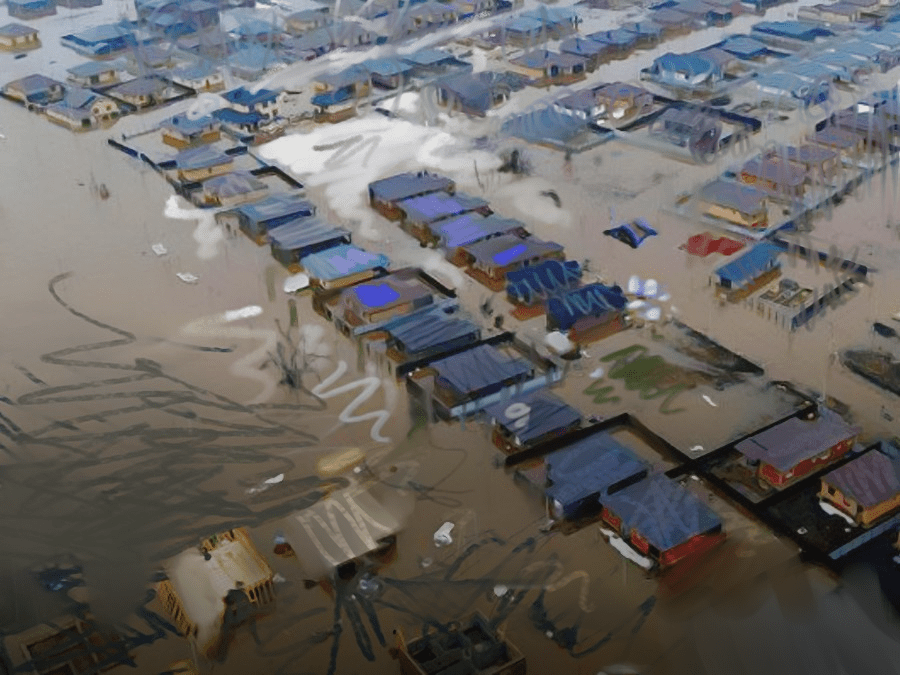
Since last month, more than 75,000 people in Kazakhstan have been rescued from floods that the president has described as the country’s worst natural disaster in 80 years. Kyrgyzstan is sending aid to Kazakhstan, and Türkiye has said it is ready to help. Across the border from Kazakhstan, parts of Russia have also been hit by flooding caused by the melting of snow as spring approaches. A dam was breached in the Russian city of Orsk, forcing the evacuation of thousands. In Kazakhstan, some 18,000 children are among those rescued, and more than 69,000 farm animals have also been taken to safety, according to Kaharman Orazalin, a senior official in the Ministry of Emergency Situations. Several thousand private residential buildings, country houses and other buildings have been flooded, Orazalin said at a briefing on Sunday. He said that workers are trying to restore four destroyed bridges and 133 washed out sections of roads. Tents, bedding and water pumping equipment have been delivered. Sand bag barriers have been laid to block the floodwaters. “The Ministry of Emergency Situations calls on citizens to be extremely careful, strictly observe safety measures during the flood period, and not leave their homes and evacuation centers without the appropriate permission,” he said. “This is the largest natural disaster in the last 80 years,” President Kassym-Jomart Tokayev said on national television on Saturday. A state of emergency has been declared in ten regions of the country - Abay, Akmola, Aktobe, Atyrau, West Kazakhstan, Karaganda, Kostanay, Pavlodar, North Kazakhstan and Ulytau regions, according to Tokayev. Military forces are helping to alleviate the flooding; national and regional authorities are working around the clock and tens of thousands of volunteers are also helping, the president said. “We must draw appropriate conclusions from the catastrophic flood. That is, we need to correct the gaps and learn the appropriate lessons. And there are many such lessons,” Tokayev said. “Many issues need to be addressed, from the lack of disaster prevention work, the shortage of water management specialists, to the neglect of nature. The government and local executive bodies should effectively coordinate flood control. It is necessary to ensure legal order in flooded areas.” Orazalin, the official from the emergency situations ministry, said humanitarian aid from Kyrgyzstan was on the way. Türkiye is “deeply saddened” by the flooding in Kazakhstan and is “ready to provide any assistance needed to heal the wounds caused by the disaster,” the Turkish Foreign Ministry stated. Efforts to rescue individuals continue in the Kostanay region, where a state of emergency has been announced in six areas due to the rising waters of the Tobyl River, as reported by Asylbek Saduov, the deputy chief of the Kostanay Oblast Railway Station.

Japan to Assist Uzbekistan and Kazakhstan in Seismic Risk Detection

Synspective, a Japanese firm specializing in space monitoring and radar technology, has signed a memorandum of understanding (MOU) with Uzbekcosmos, the Center for Space Monitoring in Uzbekistan, and the Ғarysh Sapary National Company in Kazakhstan. Synspective is known for its advanced radar satellite interferometry data processing technologies, a key project being the development of Synthetic Aperture Radar (SAR), which allows for the processing and interpretation of high-resolution radar images of the Earth's surface under any weather conditions or time of day. This technology enables the identification of displacement or deformation of the earth's surface and objects, aiding in forecasting risk zones for potential destruction, water-logging, or other emergencies caused by natural disasters. The MOU outlines plans for Synspective to work closely with the Center for Space Monitoring and GIS-technologies under Uzbekcosmos. The partnership aims to enhance Uzbekistan's remote sensing capabilities, promote scientific and innovative activities in the space industry, and actively involve the latest technologies. Given Uzbekistan's geographical location in an earthquake-prone zone, the partnership with Synspective is expected to contribute to the creation of sustainable infrastructure and the efficient and safe use of natural resources and energy in Central Asia. In Kazakhstan, Synspective will focus on developing innovative applications for Earth remote sensing and radar data, particularly in disaster management. This includes mitigating landslides, mudslides, floods, and effectively managing infrastructure to reduce the effects of climate change. The collaboration opens up opportunities for joint international commercial projects, allowing Synspective to leverage its satellite data and analytical solutions, while enabling Kazakhstan to expand its technological capabilities. Japan's extensive experience in monitoring deformation and seismic activity, as well as improving the safety of facilities in highly seismic areas makes this cooperation particularly relevant, especially given the recent searthquakes in the region.

Earthquake In Almaty: Residents Speak Of Panic And Damage

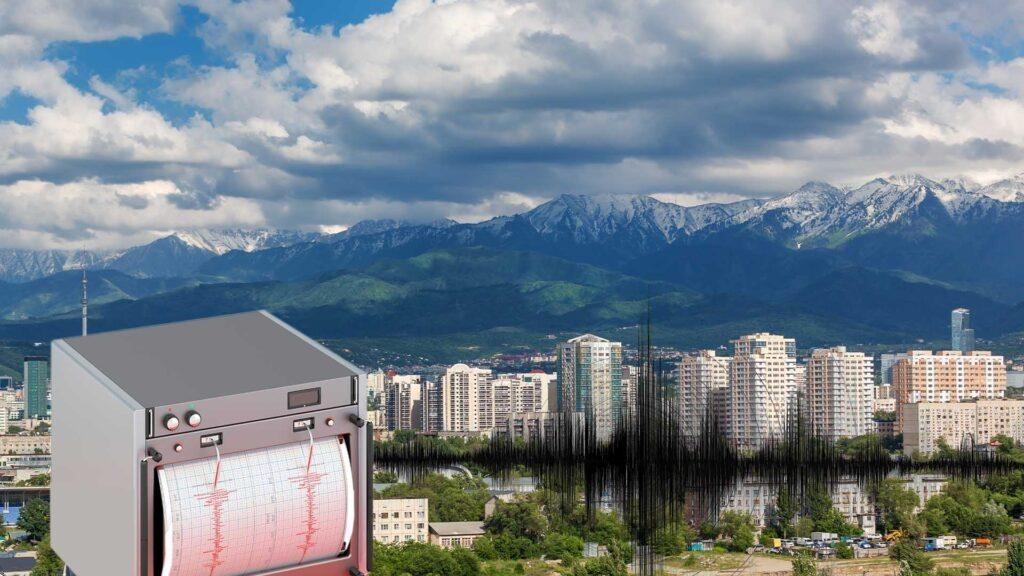
A magnitude seven earthquake shook Almaty last night, causing panic among local residents. However, some locals have said the situation was not as bad as it was portrayed on social media and in news reports. "They said it was a level seven magnitude earthquake, but my friend lives on the seventh floor and his furniture only wobbled, but nothing fell," Anastasia, a resident of the city told The Times of Central Asia. Despite the fact that numerous videos have appeared on the internet showing people in distress and buildings violently shaking, some have claimed that many of the videos are fakes, saying that the shaking was palpable, but did not reach levels that would cause widespread alarm. "The only thing that caused panic was a severe tremor in residential complexes that made the chandeliers wobble. My family and I drove into the city; traffic was crazy," Sanjar, a resident living on the outskirts of the city told The Times of Central Asia. Nevertheless, others spoke of feeling fear and anxiety during the earthquake, with another resident, Raushan telling The Times of Central Asia that  "“Just after midnight we felt swaying and tremors, which was especially frightening considering we live on the 12th floor. First, the bed started to shake, and then I noticed the chandelier swinging violently. We quickly ran out of the apartment taking our passports and wallets. The worst part was that we were left with no communication as we had forgotten our phones, so we couldn’t contact our loved ones."

Earthquake related Fake News stirs concern among tense Almaty residents

In the wake of a magnitude 7.0 earthquake, Almaty residents went to social media to share their experiences and see what is happening to others. Reported misinformation included a story about the destruction and casualties in KazNU dormitories as well as the destruction of the hostel. Authorities urged everyone to be calm. N.B. Atygayev, the Emergency Situations Department urged not to spread false information and trust only official sources.

Kyrgyz Republic Unaffected by Recent Earthquake, Says Chief Seismologist

In the aftermath of a recent seismic event, Kanat Abdrakhmanov, Kyrgyzstan's chief seismologist, was quick to reassure residents via a Facebook post that no populated areas in the Kyrgyz Republic were adversely affected. Apologizing for his delayed response due to a high volume of calls, Abdrakhmanov confirmed the occurrence of a significant earthquake. He explained that while the epicenter located in China experienced an intensity of 8-9 points, the impact in Bishkek was considerably less, registering at 3-4 points. He further mentioned that there were three additional aftershocks following the main quake, but these were far too distant to be felt in the Kyrgyz Republic. Drawing on his expertise and previous earthquake patterns, he assured the public that no significant tremors were expected after the initial shock. Abdrakhmanov ended his message with words of comfort for his fellow citizens, urging them to remain calm and not to succumb to fear. His reassurances seek to prevent panic and ensure that misinformation does not spread, contributing to stability and peace of mind during this potentially stressful time.

Magnitude 7 quake strikes China-Kyrgyzstan border area. Buildings evacuated in Kazakhstan’s biggest city.

At nine minutes past midnight local time on January 23rd, an earthquake with a magnitude of 7 occurred near Almaty. The epicenter of the earthquake was located at a depth of 65 km to the south-east of the city on the border between China and Kyrgyzstan. According to the Emergency Situations Department, the earthquake had a magnitude of 5 MSK in Almaty, and 2 MSK in Shymkent. Thirty minutes after the first earthquake struck, repeated tremors of a magnitude between 2-3 points were recorded. The quake was also felt in Kyrgyzstan, Tajikistan, and China. "Just after midnight we felt swaying and tremors, which was especially frightening considering we live on the 12th floor,” Raushan, an Almaty resident told the Times of Central Asia. “First the bed started to shake, and then I noticed the chandelier swinging violently. We quickly ran out of the apartment taking our passports and wallets. The worst part was that we were left with no communication as we had forgotten our phones, so we couldn’t contact our loved ones. After that, we went to help other residents, especially the disabled people who had a hard time getting down the stairs.” In his address, the head of the city's Emergency Situations Department, Nurlan Atygaev urged citizens not to panic, not to listen to rumors, and to stay on the street until they receive additional instructions. The south of Kazakhstan, including Almaty, is considered a seismically dangerous region. About 40,000 earthquakes have occurred in Kazakhstan over the past five years, indicating a high level of seismic activity, though according to a forecast by the Institute of Seismology of the Ministry of Emergency Situations of Kazakhstan, the probability of a major earthquake in Almaty in 2023 was low. The last major earthquake occurred over a 100 years ago. As reported by the Almaty Akimat's press service, as of 17:00 on January 23rd, the earthquake led 67 people, 55 adults and 12 children, to seek medical assistance. Eight of these individuals (three adults and five children) were hospitalized, while the remaining patients underwent examinations and were released for outpatient treatment. Currently, three adults are receiving emergency hospital care, one of whom is in serious condition in the intensive care unit following surgery. Two other patients are in the traumatology and orthopedics department with moderate conditions. Four children - two infants aged six and seven months, along with children aged seven and sixteen years - are undergoing treatment at the Children's Urgent Care Center after suffering falls in their homes. One infant fell from their mother's arms, whilst the other fell from a crib. All of the children are in a stable, moderate condition, and are receiving treatment in the neurosurgery and traumatology departments. In the aftermath of the quake, Bekbolat Bugabaev, head of Almaty's emergency response department, announced a comprehensive disaster relief plan. This strategy will mobilize 55,000 personnel and 9,000 pieces of equipment from across the republic to assist in Almaty. Additionally, the city plans to establish 384 reception...