• KGS/USD = 0.01143 0%
  • KZT/USD = 0.00212 0%
  • TJS/USD = 0.10823 0.19%
  • UZS/USD = 0.00008 0%
  • TMT/USD = 0.28571 0%
  • KGS/USD = 0.01143 0%
  • KZT/USD = 0.00212 0%
  • TJS/USD = 0.10823 0.19%
  • UZS/USD = 0.00008 0%
  • TMT/USD = 0.28571 0%
  • KGS/USD = 0.01143 0%
  • KZT/USD = 0.00212 0%
  • TJS/USD = 0.10823 0.19%
  • UZS/USD = 0.00008 0%
  • TMT/USD = 0.28571 0%
  • KGS/USD = 0.01143 0%
  • KZT/USD = 0.00212 0%
  • TJS/USD = 0.10823 0.19%
  • UZS/USD = 0.00008 0%
  • TMT/USD = 0.28571 0%
  • KGS/USD = 0.01143 0%
  • KZT/USD = 0.00212 0%
  • TJS/USD = 0.10823 0.19%
  • UZS/USD = 0.00008 0%
  • TMT/USD = 0.28571 0%
  • KGS/USD = 0.01143 0%
  • KZT/USD = 0.00212 0%
  • TJS/USD = 0.10823 0.19%
  • UZS/USD = 0.00008 0%
  • TMT/USD = 0.28571 0%
  • KGS/USD = 0.01143 0%
  • KZT/USD = 0.00212 0%
  • TJS/USD = 0.10823 0.19%
  • UZS/USD = 0.00008 0%
  • TMT/USD = 0.28571 0%
  • KGS/USD = 0.01143 0%
  • KZT/USD = 0.00212 0%
  • TJS/USD = 0.10823 0.19%
  • UZS/USD = 0.00008 0%
  • TMT/USD = 0.28571 0%

Viewing results 1 - 6 of 65

Uzbekistan Looks to Turkmen Gas to Tackle Winter Energy Crisis

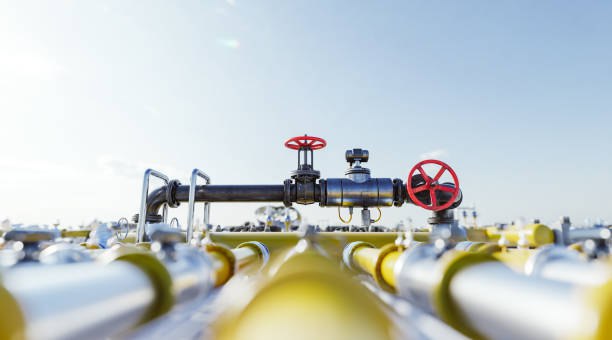
Uzbekistan has faced persistent gas and electricity shortages for over 25 years, leaving many citizens to rely on stoves and makeshift heating systems to stay warm during harsh winters. In 2024 alone, 82 people have died, and another 80 remain in serious condition due to carbon monoxide poisoning. The situation could improve if Uzbekistan shifts to importing natural gas from Turkmenistan. Turkmenistan recently declined to renew its gas contract with Russia, citing its strategy to diversify exports and secure better prices. With natural gas reserves estimated at 17.5 trillion cubic meters, Turkmenistan is a regional energy powerhouse, supplying significant volumes to China while maintaining domestic stability. Meanwhile, Uzbekistan’s gas production has declined, exacerbating its energy crisis. Despite ranking 17th globally in terms of gas reserves, Uzbekistan produced only 33.48 billion cubic meters of natural gas between January and September 2024 - 4.8% less than during the same period last year. At the same time, energy demand is rising due to population growth and a 6% economic expansion. Experts suggest that prioritizing imports from Turkmenistan could alleviate Uzbekistan’s energy woes. Former Energy Minister Anvamirzo Khusainov highlights the 1,500-kilometer border shared by the two countries and the existing pipeline infrastructure that could facilitate Turkmen gas imports. However, such a decision would require Uzbekistan to reduce its historical reliance on Russia - a move that carries significant political implications. The approaching winter may force Tashkent to make this critical choice. Reliable and cost-effective gas supplies from Turkmenistan could provide much-needed relief and help Uzbekistan address its longstanding energy shortages.

Central Asia-China Pipeline Delivers 500 Billion Cubic Meters of Gas

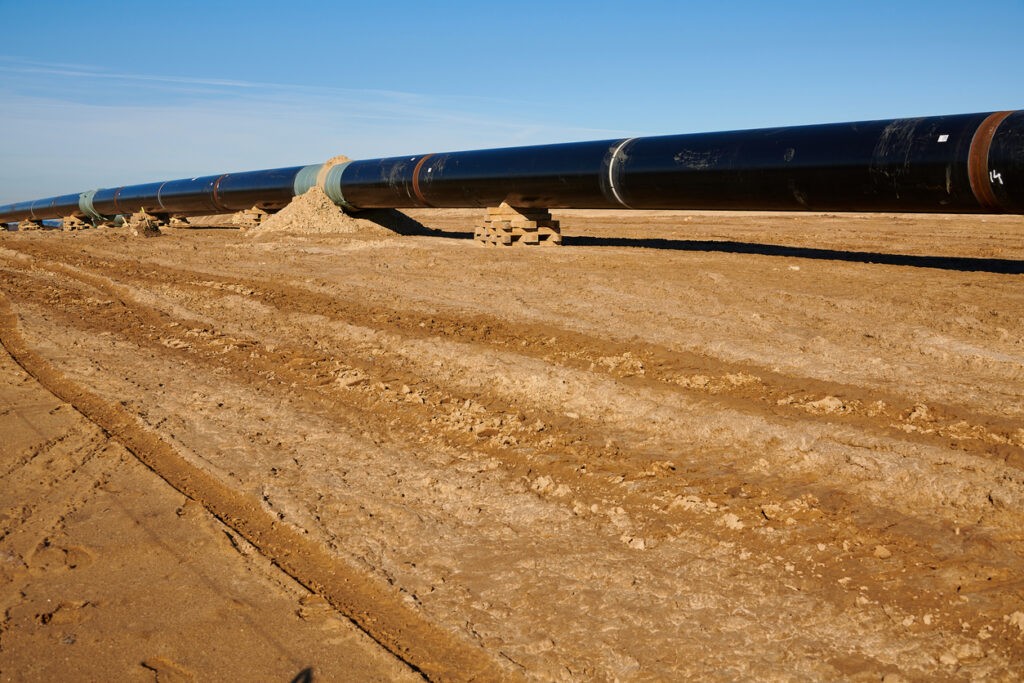
For over 14 years, the China-Central Asia Gas Pipeline has been a vital conduit for clean energy, delivering more than 500 billion cubic meters of natural gas to China, according to a report by Xinhua, citing the West Pipeline Company of the Chinese PipeChina Corporation. The Khorgos gas compressor station, a critical component of the pipeline, serves as the primary entry point for Central Asian gas into China. Known as the “head station” and the “heart” of China's second and third lines of the West-to-East Gas Pipeline, the station plays a pivotal role in the system's operation. Since its commissioning in 2009, the Khorgos Compressor Station has operated safely and reliably for over 5,000 days, transporting over 500 billion cubic meters of natural gas. It is recognized as having the highest operational performance in Asia. With an operating pressure of 12 megapascals, the pipeline pumps more than 2,000 cubic meters of gas every second and can transport a maximum of 160 million cubic meters of gas daily. The 522.5 billion cubic meters of natural gas transported by the pipeline is equivalent to replacing 696 million tons of standard coal, reducing emissions by 764 million tons of carbon dioxide, 25 million tons of sulfur dioxide, 379 million tons of dust, and 6.27 million tons of nitrogen oxides. The Khorgos compressor station also contributes to green and low-carbon development. It houses China’s first electricity generation project powered by waste heat from natural gas-fired compressors. This innovation has enabled the station to achieve zero direct emissions for large gas transmission stations powered by gas compressors, with annual power generation exceeding 65 million kilowatt-hours. From the first compressor station, natural gas travels 1,833 kilometers eastward over 84 hours, passing through central Uzbekistan and southern Kazakhstan before entering China at the Khorgos border checkpoint. The gas then feeds into the second and third lines of the West-East Gas Pipeline. With a design capacity of 60 billion cubic meters per year, the pipeline has been operational since December 2009. The pipeline supplies natural gas to more than 500 million people across 27 provincial-level regions and the Hong Kong Special Administrative Region.

Russia’s Zakharova: Gas Deliveries to Uzbekistan Surpass Five Billion Cubic Meters

According to Russian Foreign Ministry spokesperson Maria Zakharova, Russian gas supplies to Uzbekistan, which started in October 2023, have now surpassed five billion cubic meters. She noted that in 2023, Russia, Kazakhstan, and Uzbekistan initiated a two-year agreement to deliver Russian gas through Kazakhstan via a contract between Gazprom and UzGasTrade. “As of today, the volume of gas supplies has exceeded five billion cubic meters. Russian companies Gazprom and LUKOIL are advancing multiple projects to develop gas fields within Uzbekistan. The parties are set on gradually expanding their cooperation in the gas sector. There are, in fact, no bilateral issues that might slow down this energy partnership,” Zakharova shared at a recent briefing. She added that “all matters are being addressed constructively, with energy discussions being a regular part of high-level and interdepartmental negotiations.” This year, key meetings featured talks on energy cooperation, including Russian President Vladimir Putin’s state visit from May 26-28 and Prime Minister Mikhail Mishustin’s visit on September 9-10. “Energy collaboration is a core component of our bilateral relationship, with our foreign policy departments maintaining close contact and offering the needed political and diplomatic support to keep this cooperation moving forward,” Zakharova highlighted.

Turkmengaz Ends Gas Supply Contract with Gazprom Over Pricing Dispute

Turkmenistan's national gas company, Turkmengaz, has not extended its gas supply contract with Gazprom because the parties could not agree on a new fuel price. Turkmengaz Chairman Maksat Babayev explained: "On June 30, as outlined in the contract, we were set to review prices. If both sides agreed on the price, we could extend the contract. However, after negotiations, we couldn’t agree on the commercial terms. So, as per the contract, without an agreement, the contract was to end on June 30, which is what we proceeded with.” He shared this at a press conference following the “Oil and Gas of Turkmenistan – 2024” (OGT 2024) event. Babayev added that for Turkmengaz, the critical factor in starting, resuming, or ending supplies is the commercial aspect. “Contracts for purchase and sale are considered based on mutual benefit,” he explained. “Currently, demand from the north, west, and east is growing, and we are constantly in talks with various buyers and countries, so resuming supplies to Russia is certainly possible.” In 2019, Gazprom signed a five-year contract with Turkmengaz to buy natural gas through June 30, 2024. The agreement covers an annual supply volume of 5.5 billion cubic meters. Previously, Gazprom's head, Alexey Miller, announced that the company doubled the volume of gas supplies to Central Asia from January to August 2024. According to Miller, the republics' rapid economic and social development has opened meaningful new opportunities for Gazprom, which is currently at the highest possible level of gas supply to Uzbekistan.

Daewoo To Invest $730 Million in Turkmenistan

South Korean company Daewoo Engineering & Construction has won a tender to build a fertilizer plant in Turkmenistan. The project is estimated to cost a trillion won (about $730 million). According to the company, the new plant will be located in Turkmenabat, 450 km east of Ashgabat. It will have an annual capacity of 350,000 tons of phosphate fertilizer and 100,000 tons of ammonium sulfate, and will include additional auxiliary facilities. After the completion of the main contract, final data on the contract's value and implementation terms will be published. The company has stated that implementing the project will allow Daewoo E&C to strengthen its presence in Central Asia and expand its activities in the petrochemical and agricultural sectors, infrastructure, and urban projects. In the future, the company intends to offer environmentally friendly technological solutions to further cooperate with Turkmenistan. Daewoo E&C noted that winning the tender was possible thanks to the support of the South Korean government, including during the official visit of President Yun Seok Yeol to Turkmenistan in June. The company's Chairman, Jeong Won-ju, also met with the Chairman of the People's Council of Turkmenistan, Gurbanguly Berdimuhamedov, in November 2022 during his visit to South Korea. The two sides signed a memorandum of understanding, cementing an agreement on close cooperation. Jeong Won-ju has visited Turkmenistan three times since then, which helped strengthen ties and successfully conclude negotiations. Daewoo E&C is aiming to become a leader in the global EPC (engineering, procurement, and construction) market. “We strive to participate in projects that contribute to a sustainable future,” a company representative stated. Turkmenistan is implementing several major projects with the participation of South Korean companies. Hyundai Engineering has agreed with state-owned Turkmengas to expand the Galkynysh gas field. This project includes the construction of a fourth gas desulfurization facility, making it the largest in the country's history. Korean companies have also been actively constructing and developing an oil refinery in Kiyanly. Projects to create “smart cities” are also being discussed.

Turkmenistan and Iraq Sign Gas Deal for Seasonal Supply via Iran

On October 19, representatives from Turkmenistan and Iraq signed a significant gas agreement in Baghdad. Under the deal, Iraq will import up to 20 million cubic meters of gas daily, with deliveries routed through Iran via a swap arrangement. The Iraqi government has expressed its intention to begin implementing the contract soon. The contract shows that Turkmenistan delivers 10 million cubic meters of fuel to Iraq in winter and 20 million cubic meters in summer. Iraqi Electricity Minister Ali Fadel noted that the contract compensates for the same amount of gas in the event of supply problems. Iraq faces severe energy shortages and unstable supplies from Iran. Problems include its debt and difficulties making payments to Iran, which is under US sanctions. Supply from Turkmenistan is expected to moderate this dynamic. In parallel, Iraq plans to sign contracts with other suppliers and invest in its gas projects. Turkmenistan is also China's gas supplier and was the largest supplier to China in the first half of 2024, exporting gas worth $5.67 billion. During a recent visit to Iran, Gurbanguly Berdimuhamedov, the former president of Turkmenistan and current chairman of the People’s Council (Halk Maslahaty), announced plans to increase gas supplies to Iran to 40 billion cubic meters annually, further solidifying Turkmenistan’s role as a major energy provider in the region.