
• KGS/USD = 0.01143 0%
  • KZT/USD = 0.00202 0%
  • TJS/USD = 0.10433 0%
  • UZS/USD = 0.00008 0%
  • TMT/USD = 0.28575 0%
  • KGS/USD = 0.01143 0%
  • KZT/USD = 0.00202 0%
  • TJS/USD = 0.10433 0%
  • UZS/USD = 0.00008 0%
  • TMT/USD = 0.28575 0%
  • KGS/USD = 0.01143 0%
  • KZT/USD = 0.00202 0%
  • TJS/USD = 0.10433 0%
  • UZS/USD = 0.00008 0%
  • TMT/USD = 0.28575 0%
  • KGS/USD = 0.01143 0%
  • KZT/USD = 0.00202 0%
  • TJS/USD = 0.10433 0%
  • UZS/USD = 0.00008 0%
  • TMT/USD = 0.28575 0%
  • KGS/USD = 0.01143 0%
  • KZT/USD = 0.00202 0%
  • TJS/USD = 0.10433 0%
  • UZS/USD = 0.00008 0%
  • TMT/USD = 0.28575 0%
  • KGS/USD = 0.01143 0%
  • KZT/USD = 0.00202 0%
  • TJS/USD = 0.10433 0%
  • UZS/USD = 0.00008 0%
  • TMT/USD = 0.28575 0%
  • KGS/USD = 0.01143 0%
  • KZT/USD = 0.00202 0%
  • TJS/USD = 0.10433 0%
  • UZS/USD = 0.00008 0%
  • TMT/USD = 0.28575 0%
  • KGS/USD = 0.01143 0%
  • KZT/USD = 0.00202 0%
  • TJS/USD = 0.10433 0%
  • UZS/USD = 0.00008 0%
  • TMT/USD = 0.28575 0%

Viewing results 1 - 6 of 4

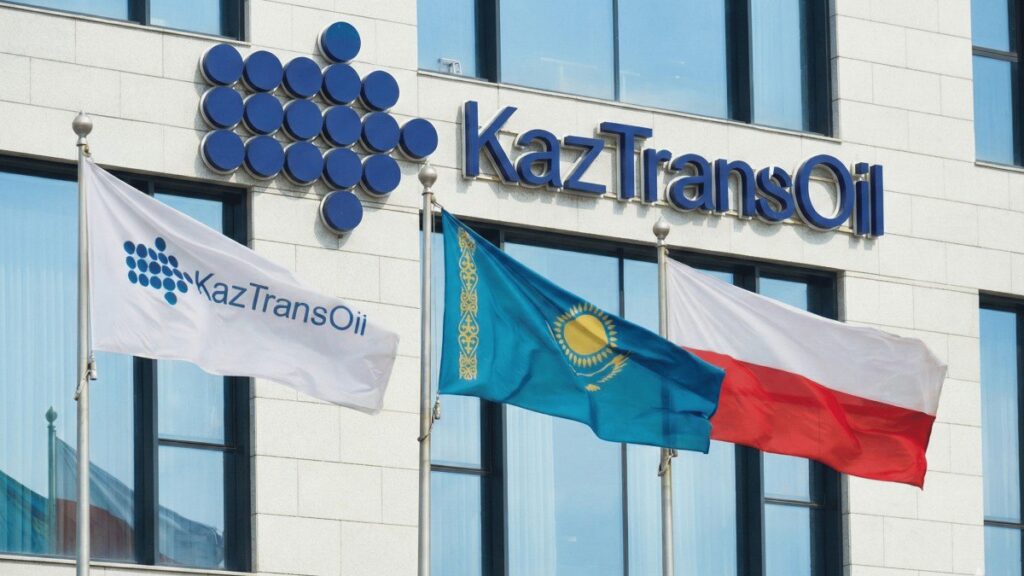
KazTransOil Opens First EU Office in Poland to Boost Oil Transit and Exports

Kazakhstan’s national oil pipeline operator KazTransOil has announced the opening of its first representative office in the European Union, selecting Poland as the location. The decision, approved by the company’s board of directors, aims to strengthen Kazakhstan’s presence in European energy markets, the company said in a statement. The new office will focus on protecting KazTransOil’s commercial interests in Poland and facilitating the transit of Kazakh crude oil through Belarus and Poland. It will also oversee the handover of oil at the Adamova Zastava delivery point on the Belarusian-Polish border, from where it is transported to the Schwedt refinery in eastern Germany. KazTransOil stated that the move is intended to expand alternative export routes, enhance supply reliability, and reinforce Kazakhstan’s role as a strategic energy partner to Europe. The expansion comes amid deepening oil cooperation between Kazakhstan and European countries. On December 18, KazTransOil and Russia’s state-owned pipeline operator Transneft signed a transit agreement for 2026, allowing Kazakh oil to continue flowing through Russian territory. While specific volumes were not disclosed, the agreement covers shipments to Russian ports such as Novorossiysk and Ust-Luga, and to the Russia-Belarus border for onward delivery to EU countries. Germany, in particular, has ramped up imports of Kazakh oil as part of its broader effort to reduce reliance on Russian energy. Following the 2022 invasion of Ukraine and subsequent EU sanctions, Berlin halted Russian oil imports and began receiving regular shipments of Kazakh crude in 2023. In 2024, Germany imported 1.5 million tons of Kazakh oil and plans to increase that to 1.7 million tons in 2025, with a long-term target of 2.5 million tons annually. In October 2025, KazMunayGas, Kazakhstan’s national oil and gas company, signed an updated agreement with Rosneft Deutschland GmbH to extend oil supply arrangements through the end of 2026. The revised deal boosts monthly deliveries from 100,000 to 130,000 tons. Additional volumes are expected from the Karachaganak field, while supplies from the Kashagan and Tengiz fields are set to begin in 2024 and 2025, respectively. According to KazMunayGas, approximately 1.5 million tons of Kazakh oil were delivered to the Schwedt refinery between January and September 2025. Rosneft Deutschland GmbH, which holds a stake in the refinery, remains under German government trusteeship as part of Berlin’s effort to minimize exposure to Russian energy assets. Deliveries of Kazakh oil to Europe are conducted via the Druzhba pipeline. Originating in Samara, Russia, the pipeline splits near Bryansk and Mozyr into two branches: the northern route through Belarus and Poland to Germany, and the southern route through Ukraine to Hungary, Slovakia, and the Czech Republic.

Turkmenistan-Iraq Natural Gas Deal: A Complex Balancing Act

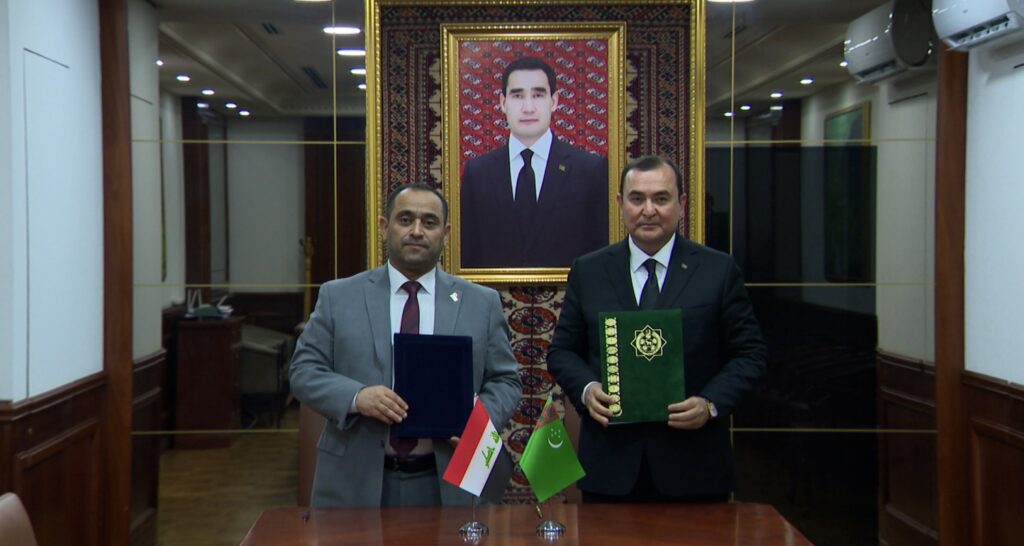
The recent natural gas deal between Turkmenistan and Iraq has sparked both excitement and concern in the energy world. On November 8, representatives from the State Concern Türkmengaz met with a delegation from Iraq, led by the Minister of Electricity Ziad Ali Fadel, to discuss the export of natural gas from Turkmenistan to Iraq. As with any major energy agreement, this deal carries significant implications for both countries and the region as a whole. This opinion piece explores the positive aspects, potential challenges, and wider implications of the Turkmenistan-Iraq natural gas deal. The Turkmenistan-Iraq natural gas deal presents several positive aspects for both countries. Economically, the agreement opens up new opportunities for trade and investment, providing a boost to the economies of both nations. Additionally, it strengthens diplomatic relations between Turkmenistan and Iraq, fostering closer ties and collaboration in other areas. Moreover, the deal has the potential to enhance energy security in Iraq, diversifying its energy sources and reducing dependence on a single supplier. For Turkmenistan, this agreement represents an opportunity to tap into new markets and expand its natural gas exports. While the deal offers numerous benefits, it also comes with potential challenges and drawbacks. From Iraq's perspective, one concern is the possibility that it becomes overly dependent on Turkmenistan for its energy needs. This could create vulnerabilities and limit Iraq's flexibility in the energy market. Disputes over pricing and payment terms may also arise as aligning the expectations of both parties can be a complex process. Additionally, the agreement may face infrastructure and logistical challenges, such as ensuring efficient transportation and distribution of the natural gas. The influence of regional politics on the deal is another factor to consider, as geopolitical dynamics may impact its implementation. The Turkmenistan-Iraq natural gas agreement has the potential to significantly impact the regional energy market. It may alter the dynamics of gas supply and demand in the region, affecting other players and stakeholders. The agreement could prompt neighboring countries to evaluate their own energy strategies and explore new partnerships. Additionally, the deal could contribute to greater energy cooperation and integration in the region, paving the way for future collaborations and joint projects. As we consider the implications of this gas deal, it is crucial to examine its environmental impact and public opinion. The environmental consequences of increased natural gas extraction and consumption should be carefully assessed to ensure sustainable practices. Additionally, public opinion in both countries will play a significant role in shaping the perceptions and outcomes of the deal. Public engagement and transparency are vital to ensure that the interests and concerns of the citizens are taken into account. The Turkmenistan-Iraq natural gas deal represents a complex balancing act.  It ultimately offers economic benefits, strengthens diplomatic relations, and enhances energy security while also raising concerns about energy dependency, pricing disputes, and logistical hurdles. The agreement will have implications for the regional energy market, influencing the strategies of neighboring countries and reshaping energy dynamics. As the process unfolds, it is crucial to...