• KZT/USD = 0.00224
  • TJS/USD = 0.10850
  • UZS/USD = 0.00008
  • TMT/USD = 0.29850
  • KZT/USD = 0.00224
  • TJS/USD = 0.10850
  • UZS/USD = 0.00008
  • TMT/USD = 0.29850
  • KZT/USD = 0.00224
  • TJS/USD = 0.10850
  • UZS/USD = 0.00008
  • TMT/USD = 0.29850
  • KZT/USD = 0.00224
  • TJS/USD = 0.10850
  • UZS/USD = 0.00008
  • TMT/USD = 0.29850
  • KZT/USD = 0.00224
  • TJS/USD = 0.10850
  • UZS/USD = 0.00008
  • TMT/USD = 0.29850
  • KZT/USD = 0.00224
  • TJS/USD = 0.10850
  • UZS/USD = 0.00008
  • TMT/USD = 0.29850
  • KZT/USD = 0.00224
  • TJS/USD = 0.10850
  • UZS/USD = 0.00008
  • TMT/USD = 0.29850
  • KZT/USD = 0.00224
  • TJS/USD = 0.10850
  • UZS/USD = 0.00008
  • TMT/USD = 0.29850
15 November 2026

Viewing results 1 - 6 of 2

Uzbekistan Media: 67% Privately Owned as Survey Highlights Press Freedom Concerns

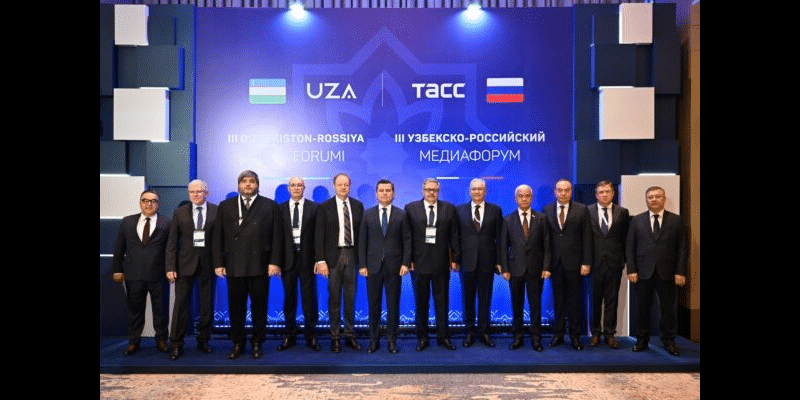
Privately owned outlets now account for 67% of Uzbekistan’s media, presidential press secretary Sherzod Asadov said at the third Uzbekistan-Russia Media Forum in Tashkent on November 9. He said internet coverage had reached 94% and discussed the development of digital content and the launch of what he described as Central Asia’s first national media bank, an online collection of photographs and videos. The forum was organized by the Uzbekistan National News Agency and Russia’s TASS news agency. Asadov identified journalist training, joint fact-checking, and the use of AI as areas for cooperation between the two countries. "Information attacks and fake news must not become a source of mistrust and disagreement between our countries and peoples," Asadov said. Uzbekistan ranks 147th out of 180 countries and territories in the 2026 World Press Freedom Index, published by Reporters Without Borders (RSF). RSF says censorship and self-censorship remain prevalent in the country. The National Study of Media Consumption in Uzbekistan, based on interviews with 1,411 adults in September, found that 56.5% considered stronger legal guarantees of freedom of speech necessary to improve media independence. Of those surveyed, 30.7% called for better professional training for journalists, and 25.9% supported the development of independent media platforms and private news agencies. Respondents also called for improved access to international news and tougher penalties for obstructing journalists’ work. Participants could select up to three measures to improve media independence. The survey also found that 51.6% of respondents used Telegram channels for domestic news, while television was the most trusted source of information for 44.3% of participants.

Telegram Leads News Consumption in Uzbekistan, but Television Remains Most Trusted

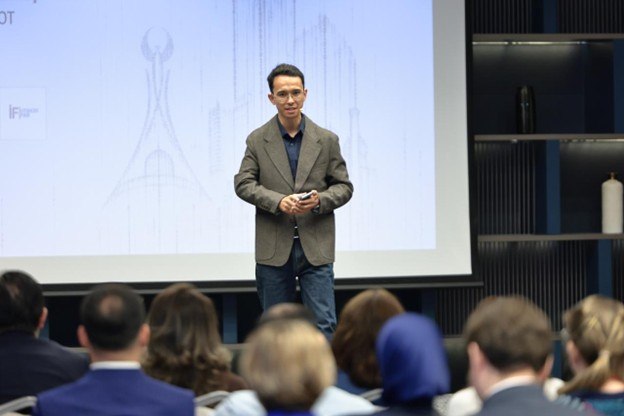
Telegram channels are Uzbekistan’s most widely used news source, but television remains the most trusted, a national survey has found. The study, presented by the Mass Media Foundation in Tashkent on November 2, found that 51.6% of respondents used Telegram channels for news. Television followed at 44.6%, while 41.6% used social media. Trust followed a different pattern. Television was the most trusted source for 44.3% of respondents, compared with 11.3% for Telegram channels and 7.4% for news websites. The findings also show demand for more reliable reporting and greater attention to everyday problems. Some 41.3% of respondents said they lacked information about prices, employment, and social support. Another 40.6% wanted more coverage of people’s everyday problems. A Generational Divide The gap between Telegram and television was particularly pronounced across age groups. Among respondents aged 18–24, 66.2% used Telegram channels for news. Television led among those aged 55 and older, cited by 77.4%. However, the audiences overlap. Respondents could select up to three news sources, so the findings do not represent separate groups. Among Telegram users, 40% also received news from television. The study also examined the languages people prefer when receiving information. Uzbek remains the leading choice, with 71.7% preferring publications in Uzbek Cyrillic and 49.8% also selecting Uzbek Latin. Russian was mentioned by 43.3% of respondents, while 11.3% said they prefer English-language information. Smaller shares selected Karakalpak (7%), Kazakh (5.6%), and Tajik (4.8%). Respondents could select more than one option. The preferences differ across generations. Older respondents are more accustomed to reading Uzbek in Cyrillic, reflecting the language and writing systems used during their education. Younger people are more oriented toward Latin-script Uzbek, while English is also more prominent among younger audiences. Telegram’s overall reach extended well beyond news consumption: 86.1% of respondents used the platform for communication or other activities. That figure should not be confused with the share using Telegram channels as a news source. Speed was the most frequently cited reason for choosing information sources, mentioned by 48.6% of respondents. Access at any time and from any location followed at 31%. Demand for Reliable Reporting Nearly half of social media users, 48.7%, said they had encountered false or unreliable information. Some 37.5% reported a shortage of verified news, while 31.6% wanted more objective coverage. These findings do not establish why television received higher trust ratings than Telegram, but they do show concerns about the quality of information available online. Across the full sample, 46.6% considered the spread of false information the main problem in the media environment. When asked what improvements they expected, 27.6% called for more in-depth analysis and 22.5% for an objective presentation of different viewpoints. Television viewers also identified shortcomings, including repetitive programming and excessive advertising. Rural respondents wanted more educational programs and coverage of life outside the capital, including everyday social and economic problems. How the Study Was Conducted Interviewers spoke face-to-face with 1,411 adults at their homes across all 14 regions from September 8 to 19, 2026. The organizers said the...